Showing posts with label food safety. Show all posts

Thursday, July 4, 2013

Fourth of July food safety tips

imageWith the Fourth of July weekend upon us, the USDA, Recreation.gov,  Food Safety and Inspection Service and United States Department of Agriculture has issued several food safety tips to ensure that your festivities aren’t hampered by sickness due to improper food handling:

Picnics and Food Safety

Although it may seem we pack too much before heading out on a picnic, they'd be quite a bit safer if we could actually pack the kitchen sink. Food spoilage and cross-contamination are real concerns when eating food outdoors in warm weather without the use of a kitchen. Be sure to follow these tips to ensure your picnic is a healthy one.

Keep Everything Clean
Find out if there's a source of potable (safe drinking) water at your destination. If not, bring water for preparation and cleaning; or pack clean, wet, disposable cloths or moist towelettes and paper towels for cleaning hands and surfaces. Cross-contamination during preparation, grilling, and serving food is a prime cause of foodborne illness.

Always wash your hands before and after handling food, and don't use the same platter and utensils for raw and cooked meat and poultry. Soap and water are essential to cleanliness, so if you are going somewhere that will not have potable water, bring it with you. Even disposable wipes will do. Include lots of clean utensils, not only for eating but also for serving the safely cooked food.

Keep Hot Food Hot and Cold Food Cold
It's essential to keep hot food hot and cold food cold throughout the duration of your picnic. Holding food at an unsafe temperature is a prime cause of foodborne illness. Already-hot summertime temperatures can spike higher in direct sunlight. Store coolers in the shade whenever possible. Food should not be left out of the cooler or off the grill more than 2 hours (1 hour when the outside temperature is above 90°F).

Carry cold perishable food like hamburger patties, hotdogs, luncheon meats and chicken in an insulated cooler packed with plenty of ice or frozen gel packs. Be sure raw meat and poultry are wrapped securely to prevent juices from cross-contaminating ready-to-eat food. Perishable cooked foods such as meats, chicken and potato or pasta salads must be kept cold, too. Don't stock the cooler until immediately before leaving home. Keep the cooler in the coolest part of the car when traveling.

The Danger Zone
Most bacteria do not grow rapidly at temperatures below 40°F or above 140°F. The temperature range in between is known as the "Danger Zone." Bacteria multiply rapidly at these temperatures and can reach dangerous levels. Raw meat and poultry products may contain bacteria that cause foodborne illness, especially when exposed to this temperature zone. They must be cooked to destroy these bacteria and held at temperatures that are either too hot or too cold for these bacteria to grow.

Take-out Food
If bringing hot take-out food such as fried chicken or barbecue, eat it within two hours of purchase. Or plan ahead and chill the food in your refrigerator before packing it into an insulated cooler.

Grilling
If you plan to use a grill on your picnic, remember to pack a food thermometer. Check that your meat and poultry reach a safe internal temperature. When reheating food at the outing, be sure it reaches 165°F. Cook only the amount of food that will be eaten to avoid the challenge of keeping leftovers at a safe temperature. Discard any leftovers that have not remained cold. Learn more grilling safety tips.   Food safety during grilling and smoking meats is important for preventing foodborne illness:

Since many families will be grilling this Fourth of July weekend, it’s important to know more than how to grill a great burger; food safety tips are imperative for keeping family and friends healthy and happy.

Cooking meats, fish, and poultry during warm summer months increases the prevalence of foodborne illness. As the temperature rises, so does the rate that bacteria multiply. Preparing, handling, and cooking food must be performed cautiously to make certain your food is safe for consuming.

To ensure that foods are grilled or smoked thoroughly and to recommended temperatures, use an oven thermometer. You can use the thermometer while the meat or poultry smokes, making certain that the food is cooked to the required temperature. Keep in mind that the thickness of the meat you are grilling will have a direct impact on the cooking time. Generally, it is recommended to cook beef, lamb, roasts, veal, and chops to 145’ F. All cuts of pork should be cooked, grilled, roasted, or smoked to 160’ F. If you are cooking ground beef, veal, or lamb also cook these to 160’ F. Poultry should be cooked to 165’ F.

Smoking and grilling are two separate cooking methods. When smoking meats, fish, or poultry the food is not in direct contact with the flame, but rather receives indirect heat. This process takes longer to complete. Smoking food includes the use of a water or drip pan that releases steam that smokes the meat. To ensure that foods are smoked properly, it is recommended to use two types of thermometers. The first thermometer is for use on the food, the second is for the smoker. Many smokers come with thermometers built in. The smoker’s temperature should remain a consistent 225-300’ F. This temperature ensures that all harmful bacteria are thoroughly destroyed.

If you are smoking food on a charcoal smoker, make certain to only use approved fire igniters or starters and never use other materials, such as paint thinner, gasoline, or other flammable materials. Smokers should be placed in areas where they receive plenty of ventilation and are not in close proximity to trees, plants, shrubs or other materials that might become fire hazards.

Those grilling will need to ensure that meat is cut thinly to cook thoroughly. When grilling, meat is placed directly over the fire; meat that is tender is preferred. For best results, keep the lid to the grill open. You should only close the lid if you are using the grill as a smoker. Make sure that meat and poultry are completely thawed before smoking or grilling. This helps ensure that food cooks thoroughly and evenly. Though many might feel that defrosting food at room temperature is the quickest method, this can allow bacteria to multiply at a rapid rate. Defrost or thaw meat in the refrigerator for best results. If you are short on time and need to defrost meat or poultry quickly you can use your microwave’s defrost setting, however, smoke or grill the meat immediately afterwards. It is common for meat to begin to cook in the microwave during defrosting; cooking immediately afterwards prevents the meat from becoming tough or overcooked. If you are marinating meat, do so in the refrigerator, not on a counter. One of the most important steps you can take to prevent cross contamination is to use a clean plate or serving tray when transferring food from the grill or smoker. Never use the same plate that the raw meat was placed on unless it has been thoroughly washed first. Finally, when saving leftovers, immediately wrap and store leftovers and refrigerate them properly. If food has been left out for two hours or longer, discard it.

The “Not So Safe Food For Pets” List

The following foods are not safe for dogs, cats, potbellied pigs, or guinea pigs. Never give the following foods or beverages to your pets:

  • Alcohol of any kind
  • Anything with Caffeine
  • Bones from Ham, Chicken, or Turkey (any fowl)
  • Candied Yams
  • Casseroles (unless you absolutely know that none of the no-no foods are in them)
  • Chocolate and Cocoa (this includes things like brownies and chocolate chip cookies) and dark chocolate is the worst… exactly opposite from people.
  • Jell-O Molds
  • Macadamia Nuts (this includes things like cookies and pies) and go easy on nuts in general
  • Pecan Pie
  • Potato Skins
  • Careful of processed Pork Products because of the nitrates, especially ham.
  • Stuffing, unless you made it from scratch yourself. (it usually contains onions, which is very harmful to pets)
  • Anything with onions in it (and garlic should be fed in moderation)
  • Anything with Xylitol in it
  • Grapes or raisins
  • Raw eggs – this is only on the list because of possible exposure to salmonella bacteria, not because the raw eggs are bad for them. (It is the same as concerns over E Coli and other bacterial contamination with raw meat, even though the raw meat is great for them!)
  • Mushrooms
  • Baby food if it contains onion powder
  • Milk (and American Cheese) can be a problem for some dogs. And be aware that some animals can be lactose intolerant like some people.
  • Avocados – especially for birds and cats
  • Sage as well as many other herbs contain essential oils and resins that can cause gastrointestinal upset and central nervous system depression to pets if eaten in large quantities. Cats are especially sensitive to the effects of certain essential oils. (Often used in dressing and stuffing)
  • Also keep them away from any rising bread dough or other rising dough. It can kill them and kill them very quickly.

imagefruit - patriotic style

Related:

How to keep pets safe during July Fourth bangs and pops

Best 4th of July Movies and Entertainment

Saturday, June 29, 2013

11 Food Ingredients Banned Outside the U.S. That Americans Eat

M and M s

Do you like M&Ms and Nutrigrain Bars? They both contain ingredients banned in other countries.  From ABC NEWS:

A recently published list of foods banned in countries outside the U.S. has riled the plates of many in the food industry.

Last week, Buzzfeed published a list of 8 ingredients banned outside the U.S. that are found in foods in America. The list was derived from the book, Rich Food Poor Food: The Ultimate Grocery Purchasing System (GPS)/(Kindle), written by husband and wife team Jayson Calton, who has a Ph.D. in nutrition, and Mira Calton, a licensed certified nutritionist.

Said Mira Calton: "We call it our GPS of grocery purchasing system: how to identify dangerous ingredients -- so people can shop safe and smart in the grocery store."

The book includes a list of banned foods and dangerous foods, which they call "poor food..."

Calton said manufacturers are not putting these ingredients in their food to be "bad people."

"It might have been part of their original formula and sometimes they don't know," Calton said.

The Food and Drug Administration assures the public that despite the frenzy over the list of ingredients banned in some countries outside the U.S., it is doing its job of monitoring food safety.

"As part of FDA's overall commitment to ensure the safety of the food supply, the agency uses an extensive, science-based process to evaluate the safety of food additives," the agency said in a statement to ABC News. "The law requires that the FDA determine there is reasonable certainty that an additive does not cause harm when it is used as intended. The agency continues to monitor the science on food additives and is prepared to take appropriate action if there are safety concerns. When determining that a food or ingredient is 'generally recognized as safe' or GRAS for its intended use in food, the same quantity and quality of evidence is required as is needed to approve a food additive."

Derek Lowe, a chemist who has a Ph.D. from Duke University, said the list is an example of "chemophobia." He told ABC News his reaction to the viral online list was "incredulity and revulsion."

"The thing is, I'm not reflexively saying people should eat all the food additives they can find. I don't myself. But the amount of understanding in the article was so minimal, it really pushed my buttons as a scientist," Lowe said.

The Caltons said they are not calling on the FDA to ban these ingredients, but they said "all of the ingredients on the list pose a potential danger to consumers and we feel the consumer should be made aware so that they can make an informed decision as to whether or not they want to buy a product with these ingredients."

Julie Jones, a professor emeritus with St. Catherine University in Minnesota and author of the textbook, Food Safety, said what drives one country to ban a food and not another often has to do with as much politics as it does science.

If one believes Paracelsus's principle, "the dose makes the poison," Jones said she believes these products have gone through the correct due diligence in the U.S.

"We have science and politics and they are different in each country," Jones said.

Here are 11 ingredients noted as banned in other countries and what some experts have to say about them:
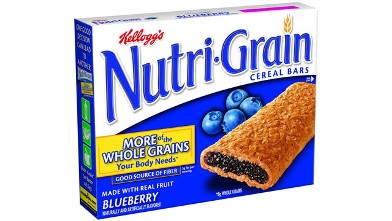
PHOTO: Kellogg's blueberry nutrigrain bars have Blue 1 in them.

Amazon inage

Blue #1 food coloring

Banned in Norway, Finland and France, Blue #1 and Blue #2 can be found in candy, cereal, drinks and pet food in the U.S., the Caltons say.

Kellogg's did not reply to multiple requests for comment about its use of Blue #1 listed as an ingredient in some Nutrigrain bars.

Michael Pariza, professor emeritus of food science and past director of Food Research Institute at the University of Wisconsin-Madison, said most food dyes are not dangerous, with the exception of Yellow #5, but they can influence our perception of food -- for better or worse.

"Taste, appearance and smell all go together. You can have the most fantastic, nutritious thing in the world, but if it looks bad and smells bad, you're not going to eat it," he said.

Blue #1 was at one point banned in several other European countries, but the EU later certified it as safe, said Lowe. Norway banned almost all food dyes from 1978 until 2001, but since then, they have had virtually the same regulations as the EU, he added.

Lowe said synthesized compounds, when used in food, "are often things that are effective in small amounts, because they're so expensive," as is the case with artificial dyes.

"People see the bright colors in cake icing and sugary cereals and figure that the stuff must be glopped on like paint, but paint doesn't have very much dye or pigment in it, either," Lowe writes in his blog.

M&Ms
PHOTO: Blue M&Ms contain blue 2.

Getty Images

Blue #2 food coloring

"Until the twentieth century, food coloring was obtained from natural sources," Jayson and Mira Calton write in "Rich Food, Poor Food." "People gathered spices, like saffron and turmeric, to add rich hues to their otherwise bland-colored foods. While this method may have been somewhat limiting in shades, at least it was safe. Today, most artificial colors are made from coal tar."

Blue #2 is listed as an ingredient in Mars' M&Ms. In a statement from Mars, the company said, "Around the globe there can be slightly different formulations and products available based on both local requirements and consumer preferences. All the colors we use in our products, no matter where they are sold, comply with our own strict internal quality and safety requirements as well as all applicable laws, regulations and safety assessments relating to colors added to food. All colors are declared on the label in accordance with applicable national laws and regulations and always meet the highest safety standards."

Lowe said the concern about blue food dye's connection to brain cancer is "unproven," referring to studies in the 1980s with Blue #2. Lowe said rats were fed the dye over a long period in much larger concentrations -- up to 2 percent of their total food intake -- than even the most dedicated junk-food eater could encounter.

"Gliomas were seen in the male rats, but with no dose-response, and at levels consistent with historical controls in the particular rat strain. No one has ever been able to find any real-world connection," Lowe wrote.

Kraft Macaroni and Cheese
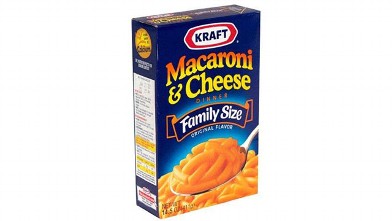
PHOTO: Kraft Mac n' Cheese contains Yellow 5 and Yellow 6.

Amazon image

Yellow #5 (Tartazine), Yellow #6 food coloring

Yellow #5 is banned in Norway and Austria due to compounds benzidine and 4-aminobiphenyl, the Caltons say.

"Six of the eleven studies on yellow #5 showed that it caused genotoxicity, a deterioration of the cell's genetic material with potential to mutate healthy DNA," the book, "Rich Foods, Poor Foods," states.

Companies in the U.S. are required to list Yellow #5 in their ingredients because some people have sensitivity to it.

"Companies are so sensitive about allergies, but peanut allergies would be far more common than Tartazine," Pariza said.

Yellow #6 is banned in Norway and Finland, the Caltons say, but Lowe said the dye is approved across the EU.

Lowe said benzidine and 4-minobiphenyl are two different names for the same compound, which is known as a human carcinogen.

"But it's not a component of any food dye, certainly not of yellow #5, and it's not even any part of its chemical structure," Lowe said.

A spokeswoman for Kraft provided a statement to ABC News, stating, "The safety and quality of our products is our highest priority. We carefully follow the laws and regulations in the countries where our products are sold. So in the U.S., we only use ingredients that are approved and deemed safe for food use by the Food and Drug Administration."

The International Food Information Council has said food ingredients are "carefully regulated by the U.S. Food and Drug Administration (FDA) to ensure that foods containing them are safe to eat and are accurately labeled."

Kraft Catalina Dressing
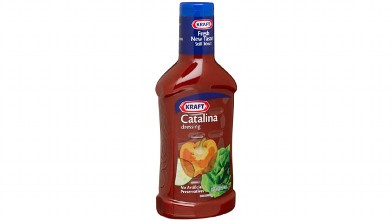
PHOTO: Kraft Catalina dressing contains Red 40.

Amazon image

Red #40

"Red #40 may contain the carcinogenic contaminant p-Cresidine and is thought to cause tumors of the immune system," according to "Rich Food, Poor Food". "In the UK, it is not recommended for children," the Caltons write, but it is approved for use in the EU.

The ingredient can be found in fruit cocktail, maraschino cherries, grenadine, cherry pie mix, ice cream, candy and other products, the Caltons say.

Lowe said he can't find evidence for risk of tumors due to Red #40 and Cresidine "is certainly not a contaminant in the dyestuff" but is one pure compound.

"There is a possibility for cresidinesulfonic acid to be produced as a metabolite, but that's a very different substance than Cresidine itself," Lowe said.

Jones said high amounts of some ingredients could be damaging to some people, but that depends on the amount of consumption and the content of one's diet in general.

"Unless you are crazy and you do drink 8 liters of pop a day, your diet is so disordered already, no wonder what you eat is toxic-- eating things in a way that never intended to be eaten," she said.

Kraft said, "The safety and quality of our products is our highest priority" and the company "carefully follow the laws and regulations in the countries where our products are sold."

Mountain Dew
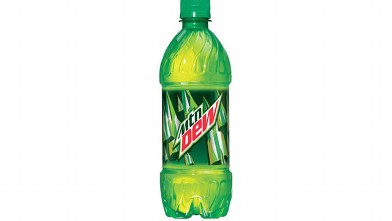
PHOTO: Mountain Dew contains bvo.

Amazon image

Brominated vegetable oil

Brominated vegetable oil, or BVO, acts as an emulsifier in soda and sports drinks, preventing the flavoring from separating and floating to the surface. The ingredient is banned more than 100 countries because it contains bromine, a chemical whose vapors can be corrosive or toxic, the Caltons say.

Aurora Gonzalez, a spokeswoman for PepsiCo, which owns Mountain Dew, said, "We take consumer safety and product integrity seriously and we can assure you that Mountain Dew is safe. As standard practice, we constantly evaluate our formulas and ingredients to ensure they comply with all regulations and meet the high quality standards our consumers expect."

Lowe said the same chemical dangers of consuming a bromine directly can be said of chlorine.

Bromine-containing compounds can indeed cause bad reactions in people but not because bromine is a corrosive gas, he said.

"When a bromine atom is bonded to a carbon, as it is in BVO, it's no longer bromine-the-pure-element, any more than the chlorine in table salt is the World War I poison gas, or the phosphorus in your DNA is the burning white phosphorus found in military tracer shells," Lowe said.

PHOTO: Country hearth breads contains azodicarbonomide.

Getty Images

Azodicarbonamide

This ingredient, which can bleach flour, is banned in Australia, the U.K. and many European countries, said the Caltons, who call it an "asthma-causing" allergen. Up to 45 parts per million is considered safe in the U.S. and it's found in a wide range of breads and baked goods here.

While Lowe acknowledges the chemical can be used to "foam" foamed plastics, "the conditions inside hot plastic, you will be glad to hear, are quite different from those inside warm bread dough," he said. In that environment, azodicarbonamide doesn't react to make birurea - it turns into several gaseous products, which are what blow up the bubbles of the foam, which is not its purpose in bread dough.

While repeated or prolonged contact to the chemical may cause asthma and skin sensitization, Lowe said that refers to the pure chemical and not 45 parts per million in uncooked flour.

"If you're handling drums of the stuff at the plastics plant, you should be wearing protective gear. If you're eating a roll, no," Lowe writes.

flatbread and bagel chips

PHOTO: Flatbreads contain brominated flour.

Getty Images

Potassium Bromate (Bromated flour)

Potassium bromate, which strengthens dough, contains bromine, is also in brominated vegetable oil.

"The good news is that American bread manufacturers tell us that it disappears from the product during baking and deem that potassium bromate is safe as there is only negligible residue," the Caltons write in their book. "However, the pastry chefs in Paris disagree. In fact, government regulatory bodies in Europe, Canada, China, and many other regions have banned the use of this additive. In California, if potassium bromate has been added, a product must carry a warning label."

Lowe points out that bromate is different from bromide and bromine.

"Chloride is the anion in table salt, but it's also the anion in hydrochloric acid. Hypochlorite anion is laundry bleach," said Lowe. "Perchlorate anion is in solid rocket fuel. They're all different; that's the point of chemistry."

Olestra (Olean)

Olestra fat substitute is banned in the U.K. and Canada because it causes a depletion of fat-soluble vitamins and carotenoid, the Caltons say, "robbing us of vital micronutrients that our foods should be delivering."

It is found in Ruffles Light and Lay's WOW chips. Frito-Lay did not return a request for comment about its use of Olestra.

Lowe acknowledges that the non-caloric fat substitute interferes with the absorption of fat-soluble vitamins, "but potato chips are not a very good source of vitamins to start with," he writes.

He also points out that Olestra is found only in two brands of potato chips, "since it was a major failure in the market."

"And vitamin absorption can be messed with by all kinds of things, including other vitamins (folic acid supplements can interfere with B12 absorption, just to pick one). But I can agree with the plan of not eating the stuff: I think that if you're going to eat potato chips, eat a reasonable amount of the real ones," he writes in his blog.

Chex
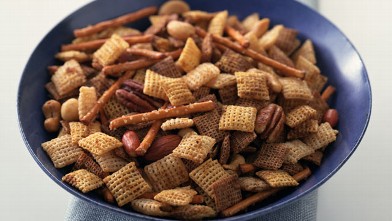
PHOTO: Chex mix contains Bha/BHT.

Getty Images

Butylated Hydroxyanisole (BHA) and Butylated Hydroxytoluene (BHT)

Banned in England, and other European countries, "these waxy solids act as preservatives to prevent food from becoming rancid and developing objectionable odors," the Caltons write.

The state of California lists this ingredient as a possible carcinogen.

General Mills did not respond to a request about its use of BHT in Chex cereals.

Lowe said that BHT is approved by the EU and, "Animal studies notwithstanding, attempts to correlate human exposure to these compounds with any types of cancer have always come up negative."

Some dairy
PHOTO: Non-organic dairy products contain rbst and rbgh.

Getty Images

rBGH and rBST

Recombinant bovine growth hormone and recombinant bovine somatotropin, a synthetic version of bovine growth hormone, can be found in nonorganic dairy products unless noted on the packaging.

"However, several regions, including Australia, New Zealand, Canada, Japan, and the European Union, have banned rBGH and rBST because of their dangerous impacts on both human and bovine health," the Caltons say.

American dairy producer, Stonyfield, opposes the use of rBST because of economics and cow health.

"An increase in milk supply generally leads to a drop in the price paid to farmers," Stonyfield says on its website. "Price drops have put many farms out of business."

In 1993, the FDA approved the use of rBST in dairy cows based on a review of existing scientific studies.

Beth Meyer, a spokeswoman for the American Dairy Association and Dairy Council Inc (ADADC), a regional organization representing dairy farmers in New York, northern New Jersey and northeastern Pennsylvania, said over the last 20 years rBST has been heavily researched and separate reviews by the National Institutes of Health, the joint World Health Organization/Food And Agriculture Organization Committee, the American Medical Association, as well as regulatory agencies in Canada and the European Union have corroborated the FDA's conclusion.

"RBST is one of many management tools used by U.S. dairy farmers to provide a safe, affordable food supply," she said.

Canada and several European countries have affirmed that milk produced from rBST cows is safe for human consumption. These countries don't allow the sale of rBST to local farmers for reasons including economics, social customs and general opposition to technological advances used to promote efficient food production, not human health concerns.

Bovine growth hormone (rBGH) is given to dairy cattle to increase milk production, Lowe said, and BGH levels in the milk of treated cows are not higher than in untreated ones.

"Secondly, BGH is not active as a growth hormone in humans - it's selective for the cow receptor, not the human one," he said.

Lowe points out BGH was banned in some countries due to animal welfare concerns. "As far as human health, there doesn't seem to be any evidence it's bad for humans," he said.

Chicken feed

PHOTO: Chicken feed contains arsenic.

Getty Images

Arsenic

The Caltons warn about traces of arsenic, which has been banned in all foods in the EU, that can be found in some chicken feed.

Last month, Johns Hopkins University scientists said they found amounts of arsenic in chicken that exceeded naturally occurring levels.

But the National Chicken Council says chickens raised for meat or broilers (for meat production) are no longer given any feed additives containing arsenic.

"Broilers used to be given a product called Roxarsone which contained trace amounts of arsenic, but it was pulled from the market in 2011 and is no longer manufactured. No other products containing arsenic are currently fed to broilers in the U.S." said Tom Super, spokesman for the council.

Lowe points out that 100 parts per billion of inorganic arsenic have been found in white rice, though he said that doesn't pose a human health risk.

Arsenic can be found in groundwater supplies in a number of countries, according to the World Health Organization.

"It's very hard to have a diet anywhere in the world that doesn't have a trace amount of arsenic," Jones said.

h/t to Tim Conway Jr. and TLA

Related: 

Is This Why the Europeans Don't Get Sick Like Americans Do? 

How Cells from an Aborted Fetus are Used to Create Novel Flavor Enhancers 

Stop Junk Food Marketing to Kids 

Americans Eat the Cheapest Food in the World, But What is It Really Costing? 

Some Baby Foods are Worse Than Junk Food 

Mad moms to food police: We'll eat what we want 

OBESITY CONSPIRACY: The U.S. Government Scandal that's Really Making You Fat 

Japan Cancels GMO Wheat Order After Concerns Over U.S. Grain Developed By Monsanto

Also checkout:  Wheat Belly: Lose the Wheat, Lose the Weight, and Find Your Path Back to Health/(Kindle) 

Perils of Peanuts and Peanut Butter… Even Organic 

Margarine Verses Butter 

Splenda - safer than aspartame but is it really safe? 

You Are What You Eat: 7 Food Additives That Are Secretly Making Us FAT 

12 Food Additives to Remove From Your Diet 

Whole Foods Vows to Label GMO’s by 2018   

The Dangers of Genetically Modified Ingredients in Pet Food 

Dr Mercola: Bill Gates: One of the World’s Most Destructive ‘So-Called’ Do-Gooders? (Plus: Monsanto and GMO Foods) 

Monsanto Shill And USDA Secretary Tom Vilsack Says Government Will Change The Way Citizens Eat 

World Wide Obesity Epidemic 

Are You Eating, Drinking and Breathing Monsanto’s New ‘Agent Orange’?  

GM Foods Not Served in Monsanto Cafeteria 

Would You Vote for a Food Bill Monsanto Supports?

George Soros and Food Safety 

PDF File:  Liar, Liar: FDA Secrets, Scandals & Slip Ups! 

Dumbing Down Society Part 1: Foods, Beverages, and Meds (Media and Education) 

Senate Bill S.510 Passed… Quickly Explained Here

Friday, May 24, 2013

Memorial Day Weekend Health Safety Tip Reminders

watermelon lion

watermelon lion

For many families, picnics and backyard barbecues top the list for planned activities on Memorial Day weekend. While enjoying your outdoor festivities here are some tips:

Practice safe grilling habits by keeping charcoal lighter fluid out of young children's reach, as swallowing lighter fluid can lead to serious poisoning for toddlers. When finished using lighter fluid, immediately return it to a storage space that is up high, out of sight and out of reach – preferably in a locked cabinet. If a child swallows lighter fluid, immediately wipe off any fluid on the exposed skin. Do not make the child vomit. Ipecac syrup should never be used for this type of poisoning emergency. Immediately call the Poison Control Center. Charcoal lighter fluid can cause serious or potentially life-threatening chemical pneumonia. The substance can enter the lungs when the child tries to swallow or vomit. If an adult or child has difficulty breathing after swallowing any poison, especially charcoal lighter fluid, call 911 immediately.

While picnicking, keep such perishable foods as ham, potato or macaroni salad, hamburgers, hot dogs, lunch meat, cooked beef or chicken, deviled eggs, and custard or cream pies in an ice chest. Put leftovers back in the ice chest as soon as you finish eating. When possible, store the ice chest in the passenger area of the car during the trip, as it stays cooler than when in the trunk.

When hiking or camping, be aware of your surroundings; many areas have poisonous snakes and spiders. Most snake bites occur when people handle snakes or when they stick their hands down holes or under logs and unknowingly touch a snake.

If you are in an isolated area when bitten by a snake, proceed slowly to a vehicle. Moving slowly will keep the heart rate low and help prevent the venom from spreading. Drive to the nearest hospital. If you are alone and unable to drive, call 911 or have someone else call 911 and let that person drive you to the hospital. If bitten by a spider, call the Poison Control Center right away.

Using insect repellents can help deal with such uninvited guests as mosquitoes and ticks. However, it is very important to follow the label's directions. Repellents containing a 10 to 30 percent concentration of DEET are safe for use on children 3 months of age and older. Spray the repellent on your hands and then apply it to the exposed areas on your child. Be careful not to apply the repellent around the eyes or mouth.

For bee stings, remove the bee's stinger by scraping it out with the edge of a plastic card or blunt instrument. Do not squeeze the stung area; it can cause the stinger to release more venom. Wash the area with soap and water. Immediately apply ice wrapped in a cloth for 10 to 15 minutes. Remember that ice applied directly to skin can cause damage to sensitive tissue. If a person is having difficulty breathing, shortness of breath, wheezing, swelling or itching eyes, or other symptoms of an allergic reaction, call 911 immediately.

If taking pets, also be aware of added stress on animals on busy and holiday types of weekends. See: Holiday Weekend Pet Safety.

Have a safe Memorial Day Weekend and safe summer season!!~

image

Tuesday, August 7, 2012

World Wide Obesity Epidemic


Global Research, March 19, 2012

Washington's Blog

World Wide Obesity Epidemic

Some 68% of all Americans are overweight, and obesity has almost doubled in the last couple of decades worldwide. As International Business Tribune reports:

Studies conducted jointly by researchers at Imperial College London and Harvard University, published in the medical journal The Lancet, show that obesity worldwide almost doubled in the decades between 1980 and 2008.

***

68 per cent of Americans were found to be overweight while close to 34 percent were obese.

Sure, people are eating too much and exercising too little (this post is not meant as an excuse for lack of discipline and poor choices). The processed foods and refined flours and sugars don’t help. And additives like high fructose corn syrup – which are added to many processed foods – are stuffing us with empty calories.

But given that there is an epidemic of obesity even in 6 month old infants (see below), there is clearly something else going on as well.

Are Toxic Chemicals Making Us Fat?

The toxins all around us might be making us fat.

As the Washington Post reported in 2007:

Several recent animal studies suggest that environmental exposure to widely used chemicals may also help make people fat.

The evidence is preliminary, but a number of researchers are pursuing indications that the chemicals, which have been shown to cause abnormal changes in animals’ sexual development, can also trigger fat-cell activity — a process scientists call adipogenesis.

The chemicals under scrutiny are used in products from marine paints and pesticides to food and beverage containers. A study by the Centers for Disease Control and Prevention found one chemical, bisphenol A, in 95 percent of the people tested, at levels at or above those that affected development in animals.

These findings were presented at last month’s annual meeting of the American Association for the Advancement of Science. A spokesman for the chemical industry later dismissed the concerns, but Jerry Heindel, a top official of the National Institute of Environmental Health Sciences (NIEHS), who chaired the AAAS session, said the suspected link between obesity and exposure to “endocrine disrupters,” as the chemicals are called because of their hormone-like effects, is “plausible and possible.”

Bruce Blumberg, a developmental and cell biologist at the University of California at Irvine, one of those presenting research at the meeting, called them “obesogens” — chemicals that promote obesity.

***

Exposed mice became obese adults and remained obese even on reduced calorie and increased exercise regimes. Like tributyltin, DES [which for decades was added to animal feed and routinely given to pregnant women] appeared to permanently disrupt the hormonal mechanisms regulating body weight.

“Once these genetic changes happen in utero, they are irreversible and with the individual for life,” Newbold said.

***

“Exposure to bisphenol A is continuous,” said Frederick vom Saal, professor of biological sciences at the University of Missouri at Columbia. Bisphenol A is an ingredient in polycarbonate plastics used in many products, including refillable water containers and baby bottles, and in epoxy resins that line the inside of food cans and are used as dental sealants. [It is also added to store receipts.] In 2003, U.S. industry consumed about 2 billion pounds of bisphenol A.

Researchers have studied bisphenol A’s effects on estrogen function for more than a decade. Vom Saal’s research indicates that developmental exposure to low doses of bisphenol A activates genetic mechanisms that promote fat-cell activity. “These in-utero effects are lifetime effects, and they occur at phenomenally small levels” of exposure, vom Saal said.

***

Research into the impact of endocrine-disrupting chemicals on obesity has been done only in laboratory animals, but the genetic receptors that control fat cell activity are functionally identical across species. “They work virtually the same way in fish as they do in rodents and humans,” Blumberg said. “Fat cells are an endocrine organ.”

Ongoing studies are monitoring human levels of bisphenol A, but none have been done of tributyltin, which has been used since the 1960s and is persistent in the marine food web. “Tributyltin is the only endocrine disrupting chemical that has been shown without substantial argument to have an effect at levels at which it’s found in the environment,” Blumberg said.

Concern over tributyltin’s reproductive effects on marine animals has resulted in an international agreement discontinuing its use in anti-fouling paints used on ships. The EPA has said it plans next year to assess its other applications, including as an antimicrobial agent in livestock operations, fish hatcheries and hospitals.

Bisphenol A is approved by the Food and Drug Administration for use in consumer products, and the agency says the amount of bisphenol A or tributyltin that might leach from products is too low to be of concern. But the National Toxicology Program, part of the National Institutes of Health, is reviewing bisphenol A, and concerns about its estrogenic effects prompted California legislators to propose banning it from certain products sold in-state, a move industry has fought vigorously.

Similarly, the Daily Beast noted in 2010:

[Bad habits] cannot explain the ballooning of one particular segment of the population, a segment that doesn’t go to movies, can’t chew, and was never that much into exercise: babies. In 2006 scientists at the Harvard School of Public Health reported that the prevalence of obesity in infants under 6 months had risen 73 percent since 1980. “This epidemic of obese 6-month-olds,” as endocrinologist Robert Lustig of the University of California, San Francisco, calls it, poses a problem for conventional explanations of the fattening of America. “Since they’re eating only formula or breast milk, and never exactly got a lot of exercise, the obvious explanations for obesity don’t work for babies,” he points out. “You have to look beyond the obvious.”

The search for the non-obvious has led to a familiar villain: early-life exposure to traces of chemicals in the environment. Evidence has been steadily accumulating that certain hormone-mimicking pollutants, ubiquitous in the food chain, have two previously unsuspected effects. They act on genes in the developing fetus and newborn to turn more precursor cells into fat cells, which stay with you for life. And they may alter metabolic rate, so that the body hoards calories rather than burning them, like a physiological Scrooge. “The evidence now emerging says that being overweight is not just the result of personal choices about what you eat, combined with inactivity,” says Retha Newbold of the National Institute of Environmental Health Sciences (NIEHS) in North Carolina, part of the National Institutes of Health (NIH). “Exposure to environmental chemicals during development may be contributing to the obesity epidemic.” They are not the cause of extra pounds in every person who is overweight—for older adults, who were less likely to be exposed to so many of the compounds before birth, the standard explanations of genetics and lifestyle probably suffice—but environmental chemicals may well account for a good part of the current epidemic, especially in those under 50. And at the individual level, exposure to the compounds during a critical period of development may explain one of the most frustrating aspects of weight gain: you eat no more than your slim friends, and exercise no less, yet are still unable to shed pounds.

***

Newbold gave low doses (equivalent to what people are exposed to in the environment) of hormone-mimicking compounds to newborn mice. In six months, the mice were 20 percent heavier and had 36 percent more body fat than unexposed mice. Strangely, these results seemed to contradict the first law of thermodynamics, which implies that weight gain equals calories consumed minus calories burned. “What was so odd was that the overweight mice were not eating more or moving less than the normal mice,” Newbold says. “We measured that very carefully, and there was no statistical difference.”

***

`Programming the fetus to make more fat cells leaves an enduring physiological legacy. “The more [fat cells], the fatter you are,” says UCSF’s Lustig. But [fat cells] are more than passive storage sites. They also fine-tune appetite, producing hormones that act on the brain to make us feel hungry or sated. With more [fat cells], an animal is doubly cursed: it is hungrier more often, and the extra food it eats has more places to go—and remain.

***

In 2005 scientists in Spain reported that the more pesticides children were exposed to as fetuses, the greater their risk of being overweight as toddlers. And last January scientists in Belgium found that children exposed to higher levels of PCBs and DDE (the breakdown product of the pesticide DDT) before birth were fatter than those exposed to lower levels. Neither study proves causation, but they “support the findings in experimental animals,” says Newbold. They “show a link between exposure to environmental chemicals … and the development of obesity.” [See this for more information on the potential link between pesticides and obesity.]

***

This fall, scientists from NIH, the Food and Drug Administration, the Environmental Protection Agency, and academia will discuss obesogens at the largest-ever government-sponsored meeting on the topic. “The main message is that obesogens are a factor that we hadn’t thought about at all before this,” says Blumberg. But they’re one that could clear up at least some of the mystery of why so many of us put on pounds that refuse to come off.

Consumption of the widely used food additive monosodium glutamate (MSG) has been linked to obesity.

Pthalates – commonly used in many plastics – have been linked to obesity. See this and this. So has a chemical used to make Teflon, stain-resistant carpets and other products.

Most of the meat we eat these days contains estrogen, antibiotics and powerful chemicals which change hormone levels. Modern corn-fed beef also contains much higher levels of saturated fat than grass-fed beef. So the meat we are eating is also making us fat.

Arsenic may also be linked with obesity, via it’s effect on the thyroid gland. Arsenic is often fed to chickens and pigs to fatten them up, and we end up ingesting it on our dinner plate. It’s ending up in other foods as well.

A lot of endocrine-disrupting pharmaceuticals and medications are also ending up in tap water.

Moreover, the National Research Council has found:

The effects of fluoride on various aspects of endocrine function should be examined further, particularly with respect to a possible role in the development of several diseases or mental states in the United States.

Some hypothesize that too much fluoride affects the thyroid gland, which may in turn lead to weight gain.

Antibiotics also used to be handed out like candy by doctors. However, ingesting too many antibiotics has also been linked to obesity, as it kills helpful intestinal bacteria. See this and this.

Moreover, many crops in the U.S. are now genetically modified. For example, 93 percent of soybeans grown in the US are genetically engineered, as are:

Some allege that Roundup kills healthy gut bacteria, and that genetically modified crops cause other health problems.

And Cornell University’s newspaper – the Cornell Sun – reports that our intestinal bacteria also substantially affect our ability to eliminate toxins instead of letting them make us fat:

Cornell scientists researching the effects of environmental toxins to the onset of obesity and Type II Diabetes, discovered that—unlike other factors such as eating too many unhealthy foods—the extent of damage caused by pollutants depends not on what a person puts into her mouth, but on what is already living within her gut.

Prof. Suzanne Snedeker, food science, and Prof. Anthony Hay, microbiology, researched the contribution that microorganisms in the gut and environmental toxins known as “obesogens” have on ever rising obesity levels. Their work, which was published last October in the journal Environmental Health Perspectives, reported a link between composition of gut microbiota, exposure to environmental chemicals and the development of obesity and diabetes. The review, “Do Interactions Between Gut Ecology and Environmental Chemicals Contribute to Obesity and Diabetes?” combined three main ideas: predisposed gut microbe composition can increase an individual’s risk of obesity and Type II Diabetes, gut microbe activity can determine an individual’s metabolic reaction to persistent pollutants such as DDT and PCB and certain pharmaceuticals can also be metabolized differently depending on the community of microbes in the gut.

The microbe community influences many metabolic pathways within the gut, Snedeker said. Our bodies metabolize chemicals, but how they are metabolized, and how much fat is stored, depends on gut ecology. Microbes are responsible not only for collecting usable energy from digested food, but also for monitoring insulin levels, storage of fat and appetite. Gut microbes also play an integral role in dealing with any chemicals that enter the body. According to Snedeker, differences in gut microbiota can cause drugs like acetaminophen to act as a toxin in some people while providing no problems for others. While pharmaceutical and microbe interactions are well understood, there is little information in the area of microbe response to environmental toxins.

She said, there are more than three dozen chemicals called obesogenic compounds, that can cause weight gain by altering the body’s normal metabolic responses and lipid production.

“It seems probable that gut microbes are affecting how our bodies handle these environmental chemicals,” Snedeker said. According to Snedeker, enzymes that are influenced by interactions of gut microbes break down approximately two-thirds of the known environmental toxins. Therefore, differences in the gut microbe community strongly affect our bodies’ ability to get rid of environmental pollutants. Obesogens can alter normal metabolic behavior by changing the levels of fat that our bodies store. Snedeker and Hay suggested that the microbes in the gut of humans determine the way in which these chemicals are metabolized and thus could contribute to obesity.

Snedeker and Hay concluded that although high levels of obesogenic chemicals are bound to cause some kind of disruption in the gut microbe community responsible for breaking these chemicals down, the degree of the disturbance is dependent upon gut microbial composition. In other words, the amount of weight an individual is likely to gain when exposed to environmental toxins, or her risk of acquiring Type II Diabetes, could depend on the microorganism community in their gut.

No, Everything Won‘t Kill You

In response to information about toxic chemicals in our food, water and air, many people change the subject by saying “well, everything will kill you”. In other words, they try to change the topic by assuming that we would have to go back to the stone age to avoid exposure to toxic chemicals.

But this is missing the point entirely. In fact, companies add nasty chemicals to their products and use fattening food-producing strategies to cut corners and make more money.

In the same way that the financial crisis, BP oil spill and Fukushima nuclear disaster were caused by fraud and greed, we are daily exposed to obesity-causing chemicals because companies make an extra buck by lying about what is in their product, cutting every corner in the book, and escaping any consequences for their health-damaging actions.

In fattening their bottom line, the fat cats are creating an epidemic of obesity for the little guy.

What Can We Do To Fight Back?

Eating grass-fed meat instead of industrially-produced corn fed beef will reduce your exposure to obesity-causing chemicals.

Use glass instead of plastic whenever you can, to reduce exposure to pthalates and other hormone-altering plastics.

Try to avoid canned food, or at least look for cans that are free of bisphenol A. (For example, the Eden company sells food in bpa-free cans.) Buy and store food in glass jars whenever possible. And wash your hands after handling store receipts (they still contain bpa).

Eat yogurt or other food containing good bacteria to help restore your healthy intestinal flora. If you don’t like yogurt, you can take “probiotic” (i.e. good bacteria) supplements from your local health food store.

And don’t forget to tell your grocery store that you demand real food that doesn’t contain bpa, pthalates, hormones, antibiotics or other junk. If we vote with our pocketbooks, the big food companies will get the message.

Washington's Blog is a frequent contributor to Global Research. Global Research Articles by Washington's Blog

Related:

Global Elite Using Obesity Vaccines to Alter Minds and Curb Consumption

More Fruit, Fewer Fries: Michelle Obama Might Have Taken the ‘Happy’ Out of McDonald’s Happy Meals

The 76 Dangers of Sugar

Wednesday, July 4, 2012

Survival Safety and Health Tips for Picnics and Holidays Like the 4th of July

Survival Health Tips for Your Picnic

image

If you’re having a picnic today, or just grilling out in the backyard for friends or family, be sure you exercise proper food safety. Be sure not to leave food sitting out too long, since it could pick up bacteria that makes you and your guests sick. We wouldn’t want this to become a situation where someone has to go to the doctor or even the hospital.

Here is some helpful information on taking care of leftovers. Also, remember these tips when you bring those perishables home from the grocery store next time.

How Long Is Food Good For

by Victor Epand

Raw hamburger: has a refrigerator shelf life of 2-3 days after purchase. If you do not use the hamburger within 3 days, it should be frozen for future use. It can be frozen either raw or cooked.

Hummus: It has the typical ingredients – chickpeas, tahini, garlic, lemon juice, olive oil, and salt. Hummus can be refrigerated in a closed container for up to 5 days and can be kept in the freezer in an air-tight container for up to one month. If the hummus appears dry when you take it out of the refrigerator or freezer, you can add a little olive oil.

For meat leftovers, the general guideline is 3-4 days. After that time, bacteria could grow to a level that could cause food borne illness, even in refrigeration. Food spoilage organisms, on the other hand, cause changes in color, texture and flavor and while they are not harmful to eat, they often mask harmful food borne illness bacteria. That’s why we recommend that if food spoilage organisms are present the food should definitely not be consumed.

How many times can you reheat food like this? Technically, if you handle the food properly.By handling properly I mean that the food was cooled within 6 hours to 40 degrees, rapidly reheated to 165 degrees, cooled within 6 hours to 40 degrees, rapidly reheated to 165 degrees, etc. So technically if it is handled as above it’s safe. But as you know, food doesn’t get better with heating/cooling/re-heating. Vegetables break down and become mushy and food takes on a dull color.

Most restaurants do not reheat foods more than 1 time if at all. They don’t reheat because it takes time to monitor food to ensure that it has been handled properly to remain safe and because food doesn’t get better with reheating. Even restaurants famous for chili (one food that does get a better flavor when reheated)prepare fresh chili each day as their reputation is built on good quality, fresh food.

An obviously if you are having a pool party where you have access to a house or facility, keep the food displayed inside if it is possible!

Leftover cooked carrots need to be refrigerated for proper storage after preparation. Cooked vegetables such as carrots can support the growth of harmful bacteria if not handled properly after cooking. Prompt refrigeration helps tremendously in reducing the chances that the carrots will support the growth of harmful bacteria.

It is not recommended to eat leftover ahi tuna that has not been cooked before initial consumption. Raw fish is highly perishable and loses flavor, color and moisture as it is held. Also, food borne pathogens are more prominent in raw fish and can grow to harmful levels as the fish ages.

The recommendation for thawed poultry in the refrigerator is a maximum of 3 days. If you put a frozen turkey in the refrigerator, once it has defrosted, you then have up to 3 days before it must be cooked.

The Government provided Food Safety chart is an excellent guide on how long to store foods in the refrigerator for both quality and safety. While you may be able to store food longer, it has been found that if you stay within these guidelines you will have both a safe and tasty food product to cons

h/t to Survival Sally and Victor Epand -http://www.VacuumFoodSealer.info/.

A few additional considerations:

If you are having a group gathering where you don’t know everyone’s allergy and health issues you might want to stay away from dishes containing peanuts and peanut butter. Reactions to peanuts and can range from mild to death.

And leftover onions are poisonous

Homemade lemonade or a jug of fresh water are great alternatives to sodas and if possible, even on a hot day, access to a jug of coffee is great for those that have had a little too much beer, wine etc, whose affects are often accelerated by being out in the sun.

Healthy food and calories are always something good to consider, but for the holidays and especially outdoor events, safety and freshness of the food you are serving should always be the greater concern.

And make sure there is plenty of water for the pets who are attending and watch what they are being fed! Real food is far superior for pets than any commercial pet food, but junk food and too much fat is bad for them, just like for humans and they do have a list of absolute no-no foods:

The “Not So Safe Food For Pets” List

The following foods are not safe for dogs, cats, potbellied pigs, or guinea pigs. Never give the following foods or beverages to your pets:

  • Alcohol of any kind
  • Anything with Caffeine
  • Bones from Ham, Chicken, or Turkey (any fowl)
  • Candied Yams
  • Casseroles (unless you absolutely know that none of the no-no foods are in them)
  • Chocolate and Cocoa (this includes things like brownies and chocolate chip cookies) and dark chocolate is the worst… exactly opposite from people.
  • Jell-O Molds
  • Macadamia Nuts (this includes things like cookies and pies) and go easy on nuts in general
  • Pecan Pie
  • Potato Skins
  • Careful of processed Pork Products because of the nitrates, especially ham.
  • Stuffing, unless you made it from scratch yourself. (it usually contains onions, which is very harmful to pets)
  • Anything with onions in it (and garlic should be fed in moderation)
  • Anything with Xylitol in it
  • Grapes or raisins
  • Raw eggs – this is only on the list because of possible exposure to salmonella bacteria, not because the raw eggs are bad for them. (It is the same as concerns over E Coli and other bacterial contamination with raw meat, even though the raw meat is great for them!)
  • Mushrooms
  • Baby food if it contains onion powder
  • Milk (and American Cheese) can be a problem for some dogs. And be aware that some animals can be lactose intolerant like some people.
  • Avocados – especially for birds and cats
  • Sage as well as many other herbs contain essential oils and resins that can cause gastrointestinal upset and central nervous system depression to pets if eaten in large quantities. Cats are especially sensitive to the effects of certain essential oils. (Often used in dressing and stuffing)
  • Also keep them away from any rising bread dough or other rising dough. It can kill them and kill them very quickly.

imagefruit - patriotic style

Related:

FIREWORKS DOS AND DON’TS

DO:

  • Use fireworks outdoors, in an area clear of dry vegetation and combustibles.
  • Follow the directions on the packaging.
  • Wear safety goggles and close-toed shoes.
  • Keep a hose or bucket of water handy, and soak each device after burning.
  • Keep kids and spectators at a distance.

DON’T:

  • Don’t freestyle. Avoid altering or combining fireworks, and steer clear of homemade devices made from illegal explosives.
  • Don’t try to relight a “dud” firework.
  • Don’t hold or light more than one sparkler at a time.
  • Don’t let kids under 12 use sparklers.
  • Don’t drink alcohol. Have a “designated shooter.”

4th of July Fireworks Safety Tips Video

Memorial Day Weekend Safety Tips

Fourth of July Pet Safety Tips

Perils of Peanuts and Peanut Butter… Even Organic

Ask Marion - True Heath Is True Wealth

Meanwhile, enjoy your picnic today!

Photo by Anthony Cramp at Flickr Creative Commons.

Monday, August 22, 2011

Obama appoints Monsanto's vice president Michael Taylor as senior adviser to the commissioner at the FDA...

Who Owns Obama and FDA... None Other Than Monsanto!

monsanto.no.food

Obama appoints Monsanto's vice president Michael Taylor as senior adviser to the commissioner at the FDA... Folks, it just keeps getting more insane... ~ Jeffrey Smith

Michael Taylor was just appointed senior adviser to the commissioner of the FDA!

This is the same man that was in charge of FDA policy when GMO's were allowed into the US food supply without undergoing a single test to determine their safety.

He "had been Monsanto's attorney before becoming policy chief at the FDA [and then] he became Monsanto's Vice President and chief lobbyist. This month [he] became the senior adviser to the commissioner of the FDA.

He is now America's food safety czar! This is no joke."
The person who may be responsible for more food-related illness and death than anyone in history has just been made the US food safety czar. This is no joke.

Here's the back story.

When FDA scientists were asked to weigh in on what was to become the most radical and potentially dangerous change in our food supply -- the introduction of genetically modified (GM) foods -- secret documents now reveal that the experts were very concerned.

Memo after memo described toxins, new diseases, nutritional deficiencies, and hard-to-detect allergens. They were adamant that the technology carried "serious health hazards," and required careful, long-term research, including human studies, before any genetically modified organisms (GMOs) could be safely released into the food supply.

But the biotech industry had rigged the game so that neither science nor scientists would stand in their way. They had placed their own man in charge of FDA policy and he wasn't going to be swayed by feeble arguments related to food safety. No, he was going to do what corporations had done for decades to get past these types of pesky concerns. He was going to lie.

Dangerous Food Safety Lies...

When the FDA was constructing their GMO policy in 1991-2, their scientists were clear that gene-sliced foods were significantly different and could lead to "different risks" than conventional foods. But official policy declared the opposite, claiming that the FDA knew nothing of significant differences, and declared GMOs substantially equivalent.

This fiction became the rationale for allowing GM foods on the market without any required safety studies whatsoever! The determination of whether GM foods were safe to eat was placed entirely in the hands of the companies that made them -- companies like Monsanto, which told us that the PCBs, DDT, and Agent Orange were safe.

GMOs were rushed onto our plates in 1996. Over the next nine years, multiple chronic illnesses in the US nearly doubled -- from 7% to 13%. Allergy-related emergency room visits doubled between 1997 and 2002 while food allergies, especially among children, skyrocketed. We also witnessed a dramatic rise in asthma, autism, obesity, diabetes, digestive disorders, and certain cancers.

In January of this year, Dr. P. M. Bhargava, one of the world's top biologists, told me that after reviewing 600 scientific journals, he concluded that the GM foods in the US are largely responsible for the increase in many serious diseases.

In May, the American Academy of Environmental Medicine concluded that animal studies have demonstrated a causal relationship between GM foods and infertility, accelerated aging, dysfunctional insulin regulation, changes in major organs and the gastrointestinal system, and immune problems such as asthma, allergies, and inflammation
In July, a report by eight international experts determined that the flimsy and superficial evaluations of GMOs by both regulators and GM companies "systematically overlook the side effects" and significantly underestimate "the initial signs of diseases like cancer and diseases of the hormonal, immune, nervous and reproductive systems, among others."

The Fox Guarding the Chickens...

If GMOs are indeed responsible for massive sickness and death, then the individual who oversaw the FDA policy that facilitated their introduction holds a uniquely infamous role in human history.

That person is Michael Taylor. He had been Monsanto's attorney before becoming policy chief at the FDA. Soon after, he became Monsanto's vice president and chief lobbyist.
This month Michael Taylor became the senior advisor to the commissioner of the FDA. He is now America's food safety czar. What have we done?

The Milk Man Cometh...

While Taylor was at the FDA in the early 90's, he also oversaw the policy regarding Monsanto's genetically engineered bovine growth hormone (rbGH/rbST) -- injected into cows to increase milk supply.
The milk from injected cows has more pus, more antibiotics, more bovine growth hormone, and most importantly, more insulin-like growth factor 1 (IGF-1). IGF-1 is a huge risk factor for common cancers and its high levels in this drugged milk is why so many medical organizations and hospitals have taken stands against rbGH.

A former Monsanto scientist told me that when three of his Monsanto colleagues evaluated rbGH safety and discovered the elevated IGF-1 levels, even they refused to drink any more milk -- unless it was organic and therefore untreated.

Government scientists from Canada evaluated the FDA's approval of rbGH and concluded that it was a dangerous facade. The drug was banned in Canada, as well as Europe, Japan, Australia and New Zealand.

It was approved in the US while Michael Taylor was in charge. His drugged milk might have caused a significant rise in US cancer rates. Additional published evidence also implicates rbGH in the high rate of fraternal twins in the US.

Taylor also determined that milk from injected cows did not require any special labeling. And as a gift to his future employer Monsanto, he wrote a white paper suggesting that if companies ever had the audacity to label their products as not using rbGH, they should also include a disclaimer stating that according to the FDA, there is no difference between milk from treated and untreated cows.

Taylor's disclaimer was also a lie. Monsanto's own studies and FDA scientists officially acknowledged differences in the drugged milk. No matter. Monsanto used Taylor's white paper as the basis to successfully sue dairies that labeled their products as rbGH-free.

Will Monsanto's Wolff Also Guard the Chickens?...

As consumers learned that rbGH was dangerous, they refused to buy the milk. To keep their customers, a tidal wave of companies has publicly committed to not use the drug and to label their products as such.

Monsanto tried unsuccessfully to convince the FDA and FTC to make it illegal for dairies to make rbGH-free claims, so they went to their special friend in Pennsylvania -- Dennis Wolff...

As state secretary of agriculture, Wolff unilaterally declared that labeling products rbGH-free was illegal, and that all such labels must be removed from shelves statewide. This would, of course, eliminate the label from all national brands, as they couldn't afford to create separate packaging for just one state.

Fortunately, consumer demand forced Pennsylvania's Governor Ed Rendell to step in and stop Wolff's madness. Rendell allowed Wolff to take a compromised position that now requires rbGH-free claims to also be accompanied by Taylor's FDA disclaimer on the package.
President Obama is considering Dennis Wolff for the top food safety post at the USDA. Yikes!

Rumor has it that the reason why Pennsylvania's governor is supporting Wolff's appointment is to get him out of the state -- after he "screwed up so badly" with the rbGH decision. Oh great, governor. Thanks.

Ohio Governor Gets Taylor-itus...

Ohio not only followed Pennsylvania's lead by requiring Taylor's FDA disclaimer on packaging, they went a step further. They declared that dairies must place that disclaimer on the same panel where rbGH-free claims are made, and even dictated the font size.

This would force national brands to re-design their labels and may ultimately dissuade them from making rbGH-free claims at all. The Organic Trade Association and the International Dairy Foods Association filed a lawsuit against Ohio.

Although they lost the first court battle, upon appeal, the judge ordered a mediation session that takes place today. Thousands of Ohio citizens have flooded Governor Strickland's office with urgent requests to withdraw the states anti-consumer labeling requirements.
Perhaps the governor has an ulterior motive for pushing his new rules. If he goes ahead with his labeling plans, he might end up with a top appointment in the Obama administration!

Jeffrey Smith - August 15, 2011 - posted at ConspiracyPlant

*** Jeffrey M. Smith is the author of Seeds of Deception: Exposing Industry and Government Lies About the Safety of the Genetically Engineered Foods You're Eating  and Genetic Roulette: The Documented Health Risks of Genetically Engineered Foods from Chelsea Green Publishing (GMO Set). Smith worked at a GMO detection laboratory, founded the Institute for Responsible Technology, and currently lives in Iowa—surrounded by genetically modified corn and soybeans. For more information, visit Chelsea Green.

Also checkout: The World According to Monsanto: Pollution, Corruption, and the Control of the World's Food Supply

Submitted by SadInAmerica on Fri, 08/19/2011 - 5:51pm.

Related:

Fascist Control Over Our Food Supply?  The S.510 Food Safety Scam

Would you vote for a Food Bill Monsanto Supports?

Soros and Food Safety

Deal Making, Arm Twisting and Sellouts Until: Senate Unanimously Passes Food Safety Bill

clip_image001

Frankenfood Coming Soon to a Store Near You

Food Laws – Forcing people to globalize