Showing posts with label pet safety tips. Show all posts

Sunday, May 25, 2014

Memorial Day and Summer Cautions and Safety Tips For Pet Owners

JOMP:  Memorial Day is generally considered the unofficial start of summer.  It is a season of fun and leisure but can also be a time when pets are forgotten or injured, amidst the fun, games, activates and heat.  Our pets our family members and all animals under our car are our responsibility so this is a quick reminder that  pet (animal) health should be kept in the forefront of our minds to help ensure a safe season for all.

Memorial Day is often filled with travel, parties, parades that often include pets and fun under the sun, so  while it is fun to include our pets in our activates, we can't forget to take the extra steps to make sure they' are safe and protected.

Below are the top five top safety tips from the ASPCA that pet owners need to remember this summer:

  • Travel in Style: Traveling can be highly stressful for our pets. If you're planning a road trip, prep your pet in advance by taking short rides in the car and getting them used to riding in a crate or car harness. "Pet owners should never leave their animals unattended in a parked vehicle," said Dr. Louise Murray, vice president of the ASPCA Animal Hospital. "Parked cars, even with windows open, become very hot in a short amount of time, and this can lead to heatstroke or death." If you must travel by air, putting your pet in cargo isn't ideal. If this is unavoidable, take great care to purchase the required crate and tell every airline employee you are traveling with a pet in cargo to avoid your pet being left on the tarmac or outside during extreme weather.
  • Keep Cool: Dogs and cats can become dehydrated quickly, so give them plenty of water when is the weather is hot.. Also, make sure your pet has a shady place to escape the sun and don't let your dog linger outdoors, especially on hot asphalt. Being so close to the ground, your dog's body can heat up quickly, and sensitive paw pads can get burned.
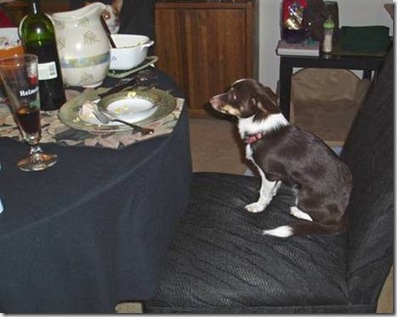
  • Watch What They Eat:  Summertime can be perfect for backyard barbecues or parties, but remember that the food and drink you serve your guests may be poisonous to pets. Keep alcoholic beverages away from pets, and remember that the snacks you serve your friends should not be treats for your pet. Any change of diet - even for one meal - may give your dog or cat severe digestive ailments. Make sure to avoid raisins, grapes, onions, chocolate and products with the sweetener xylitol, since these are poisonous to pets, the no-no foods for pets.
  • Beware of "High-Rise Syndrome": During warmer months, many animal hospitals and veterinarians see an increase in injured animals as a result of "High-Rise Syndrome," which is when pets fall or jump out of windows and are seriously or fatally injured. Keep all unscreened windows in your home closed and make sure screens are tightly secured.
  • Love the Leash: Warm weather can inspire longer walks, but while this is exciting for both dog and owner, it's important that dogs are always kept on leashes with collars and up-to-date ID tags to protect them from getting loose and injuring themselves or others.

Also, be sure to carry the numbers for your dog(s), cat(s) and other pets’ local veterinarian, the 24-Hour emergency pet clinic and the ASPCA's Animal Poison Control Center at (888) 426-4435 for immediate assistance if needed.

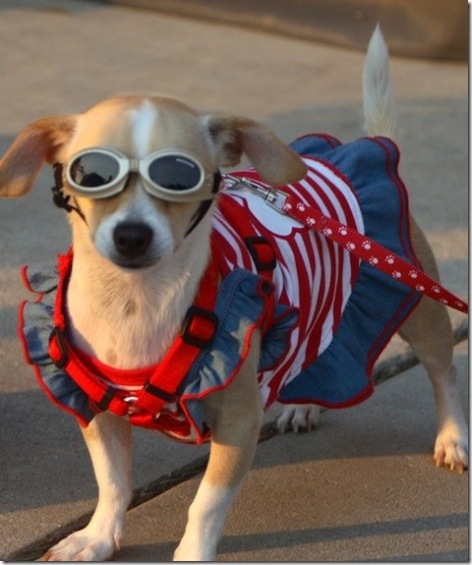
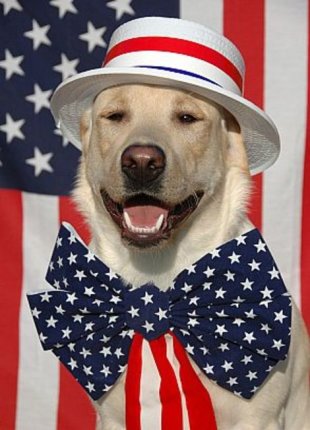
Below are some fun Memorial Day pet fun photos from 2013:

Fun Patriotic Memorial Day Pet Photos

Saucy Lady

Patriotic Horse

All American Dog

Patriotic Ferret

Is This Good

Patriotic Kitten

Patriotic Dachsies

Patriotic Gilla Monster

Festive Fido

Cool Patriotic Cat

Patriotic Bull Dog

Patriotic Donkey

Patriotic Cool Dude

Patriotic-Parrot 2

Patriotic Dog 3

Patriotic Piggie

Patriotic Retreiver

Patriotic Cat

Patriotic Doggie

Yeepet gallery Pets

Patriotic Chi

Yeepet gallery Pets

By Marion Algier – Just One More Pet (JOMP) – UCLA Shutterbug 

Ronald Reagan Honors America and Our Troops Past and Present 

Memorial Day 2014 

Photos From the Frontlines – The Dogs of War

Hero Dogs of 9/11 

Memorial Day Weekend Health Safety Tip Reminders 

Nation's oldest Memorial Day Parade returns to Bay Ridge

Military Heroes and Their Dogs

Sergeant Stubby

1st national monument for war dogs honors four-legged pup soldiers of World War II and beyond

Thursday, July 4, 2013

Fourth of July food safety tips

imageWith the Fourth of July weekend upon us, the USDA, Recreation.gov,  Food Safety and Inspection Service and United States Department of Agriculture has issued several food safety tips to ensure that your festivities aren’t hampered by sickness due to improper food handling:

Picnics and Food Safety

Although it may seem we pack too much before heading out on a picnic, they'd be quite a bit safer if we could actually pack the kitchen sink. Food spoilage and cross-contamination are real concerns when eating food outdoors in warm weather without the use of a kitchen. Be sure to follow these tips to ensure your picnic is a healthy one.

Keep Everything Clean
Find out if there's a source of potable (safe drinking) water at your destination. If not, bring water for preparation and cleaning; or pack clean, wet, disposable cloths or moist towelettes and paper towels for cleaning hands and surfaces. Cross-contamination during preparation, grilling, and serving food is a prime cause of foodborne illness.

Always wash your hands before and after handling food, and don't use the same platter and utensils for raw and cooked meat and poultry. Soap and water are essential to cleanliness, so if you are going somewhere that will not have potable water, bring it with you. Even disposable wipes will do. Include lots of clean utensils, not only for eating but also for serving the safely cooked food.

Keep Hot Food Hot and Cold Food Cold
It's essential to keep hot food hot and cold food cold throughout the duration of your picnic. Holding food at an unsafe temperature is a prime cause of foodborne illness. Already-hot summertime temperatures can spike higher in direct sunlight. Store coolers in the shade whenever possible. Food should not be left out of the cooler or off the grill more than 2 hours (1 hour when the outside temperature is above 90°F).

Carry cold perishable food like hamburger patties, hotdogs, luncheon meats and chicken in an insulated cooler packed with plenty of ice or frozen gel packs. Be sure raw meat and poultry are wrapped securely to prevent juices from cross-contaminating ready-to-eat food. Perishable cooked foods such as meats, chicken and potato or pasta salads must be kept cold, too. Don't stock the cooler until immediately before leaving home. Keep the cooler in the coolest part of the car when traveling.

The Danger Zone
Most bacteria do not grow rapidly at temperatures below 40°F or above 140°F. The temperature range in between is known as the "Danger Zone." Bacteria multiply rapidly at these temperatures and can reach dangerous levels. Raw meat and poultry products may contain bacteria that cause foodborne illness, especially when exposed to this temperature zone. They must be cooked to destroy these bacteria and held at temperatures that are either too hot or too cold for these bacteria to grow.

Take-out Food
If bringing hot take-out food such as fried chicken or barbecue, eat it within two hours of purchase. Or plan ahead and chill the food in your refrigerator before packing it into an insulated cooler.

Grilling
If you plan to use a grill on your picnic, remember to pack a food thermometer. Check that your meat and poultry reach a safe internal temperature. When reheating food at the outing, be sure it reaches 165°F. Cook only the amount of food that will be eaten to avoid the challenge of keeping leftovers at a safe temperature. Discard any leftovers that have not remained cold. Learn more grilling safety tips.   Food safety during grilling and smoking meats is important for preventing foodborne illness:

Since many families will be grilling this Fourth of July weekend, it’s important to know more than how to grill a great burger; food safety tips are imperative for keeping family and friends healthy and happy.

Cooking meats, fish, and poultry during warm summer months increases the prevalence of foodborne illness. As the temperature rises, so does the rate that bacteria multiply. Preparing, handling, and cooking food must be performed cautiously to make certain your food is safe for consuming.

To ensure that foods are grilled or smoked thoroughly and to recommended temperatures, use an oven thermometer. You can use the thermometer while the meat or poultry smokes, making certain that the food is cooked to the required temperature. Keep in mind that the thickness of the meat you are grilling will have a direct impact on the cooking time. Generally, it is recommended to cook beef, lamb, roasts, veal, and chops to 145’ F. All cuts of pork should be cooked, grilled, roasted, or smoked to 160’ F. If you are cooking ground beef, veal, or lamb also cook these to 160’ F. Poultry should be cooked to 165’ F.

Smoking and grilling are two separate cooking methods. When smoking meats, fish, or poultry the food is not in direct contact with the flame, but rather receives indirect heat. This process takes longer to complete. Smoking food includes the use of a water or drip pan that releases steam that smokes the meat. To ensure that foods are smoked properly, it is recommended to use two types of thermometers. The first thermometer is for use on the food, the second is for the smoker. Many smokers come with thermometers built in. The smoker’s temperature should remain a consistent 225-300’ F. This temperature ensures that all harmful bacteria are thoroughly destroyed.

If you are smoking food on a charcoal smoker, make certain to only use approved fire igniters or starters and never use other materials, such as paint thinner, gasoline, or other flammable materials. Smokers should be placed in areas where they receive plenty of ventilation and are not in close proximity to trees, plants, shrubs or other materials that might become fire hazards.

Those grilling will need to ensure that meat is cut thinly to cook thoroughly. When grilling, meat is placed directly over the fire; meat that is tender is preferred. For best results, keep the lid to the grill open. You should only close the lid if you are using the grill as a smoker. Make sure that meat and poultry are completely thawed before smoking or grilling. This helps ensure that food cooks thoroughly and evenly. Though many might feel that defrosting food at room temperature is the quickest method, this can allow bacteria to multiply at a rapid rate. Defrost or thaw meat in the refrigerator for best results. If you are short on time and need to defrost meat or poultry quickly you can use your microwave’s defrost setting, however, smoke or grill the meat immediately afterwards. It is common for meat to begin to cook in the microwave during defrosting; cooking immediately afterwards prevents the meat from becoming tough or overcooked. If you are marinating meat, do so in the refrigerator, not on a counter. One of the most important steps you can take to prevent cross contamination is to use a clean plate or serving tray when transferring food from the grill or smoker. Never use the same plate that the raw meat was placed on unless it has been thoroughly washed first. Finally, when saving leftovers, immediately wrap and store leftovers and refrigerate them properly. If food has been left out for two hours or longer, discard it.

The “Not So Safe Food For Pets” List

The following foods are not safe for dogs, cats, potbellied pigs, or guinea pigs. Never give the following foods or beverages to your pets:

  • Alcohol of any kind
  • Anything with Caffeine
  • Bones from Ham, Chicken, or Turkey (any fowl)
  • Candied Yams
  • Casseroles (unless you absolutely know that none of the no-no foods are in them)
  • Chocolate and Cocoa (this includes things like brownies and chocolate chip cookies) and dark chocolate is the worst… exactly opposite from people.
  • Jell-O Molds
  • Macadamia Nuts (this includes things like cookies and pies) and go easy on nuts in general
  • Pecan Pie
  • Potato Skins
  • Careful of processed Pork Products because of the nitrates, especially ham.
  • Stuffing, unless you made it from scratch yourself. (it usually contains onions, which is very harmful to pets)
  • Anything with onions in it (and garlic should be fed in moderation)
  • Anything with Xylitol in it
  • Grapes or raisins
  • Raw eggs – this is only on the list because of possible exposure to salmonella bacteria, not because the raw eggs are bad for them. (It is the same as concerns over E Coli and other bacterial contamination with raw meat, even though the raw meat is great for them!)
  • Mushrooms
  • Baby food if it contains onion powder
  • Milk (and American Cheese) can be a problem for some dogs. And be aware that some animals can be lactose intolerant like some people.
  • Avocados – especially for birds and cats
  • Sage as well as many other herbs contain essential oils and resins that can cause gastrointestinal upset and central nervous system depression to pets if eaten in large quantities. Cats are especially sensitive to the effects of certain essential oils. (Often used in dressing and stuffing)
  • Also keep them away from any rising bread dough or other rising dough. It can kill them and kill them very quickly.

imagefruit - patriotic style

Related:

How to keep pets safe during July Fourth bangs and pops

Best 4th of July Movies and Entertainment

Friday, November 23, 2012

Thanksgiving/Holiday Safety and Health Tips For Pets

clip_image001

“Holidays Are Great and Fun To Share With Our Pets, Who Love To Be Part of the Family Activities, As Long As We Avoid the No-No Foods”
clip_image002

JOMP: While giving your pets Thanksgiving leftovers or scraps from the table can be a heartwarming experience for you and an exciting experience for them, it is important to be aware of which Thanksgiving leftovers are pet friendly, and which ones should remain in your fridge and away from your pets’ food dish.

To help you decipher which Thanksgiving leftovers are safe for your pets to eat, we have compiled two lists below — a “safe” list and a “not safe” list — that you can use as a quick reference during your Thanksgiving meal. But be sure to pay attention to the pets mentioned in the lists, and how the food should be prepared; just because something is safe for a dog doesn’t mean it’s safe for a cat.

If you, or your family, eat a food during the Thanksgiving holiday that is not mentioned on the lists below, do some additional research or talk to your local vet about the safety of the food in question.

Thanksgiving/Holiday Safety Tips For Pets

‘Tis the season for friends, family and holiday feasts—but also for possible distress for our animal companions. Pets won’t be so thankful if they munch on undercooked turkey or a pet-unfriendly floral arrangement, or if they stumble upon an unattended alcoholic drink.

Check out the following tips from ASPCA experts for a fulfilling Thanksgiving that your pets can enjoy, too.

Sage Advice
Sage can make your Thanksgiving stuffing taste delish, but it and many other herbs contain essential oils and resins that can cause gastrointestinal upset and central nervous system depression to pets if eaten in large quantities. Cats are especially sensitive to the effects of certain essential oils.

No Bread Dough
Don’t spoil your pet’s holiday by giving him raw bread dough. According to ASPCA experts, when raw bread dough is ingested, an animal’s body heat causes the dough to rise in his stomach. As it expands, the pet may experience vomiting, severe abdominal pain and bloating, which could become a life-threatening emergency, requiring surgery.

Don’t Let Them Eat Cake
If you’re baking up Thanksgiving cakes, be sure your pets keep their noses out of the batter, especially if it includes raw eggs—they could contain salmonella bacteria that may lead to food poisoning.

Too Much of a Good Thing
Boneless pieces of cooked turkey, some mashed potato or even a lick of pumpkin pie or cheese cake shouldn’t pose a problem. However, don’t allow your pets to overindulge, especially if you don’t normally cook for your pets, as they could wind up with a case of stomach upset, diarrhea or even worse—an inflammatory condition of the pancreas known as pancreatitis. In fact, if your pets have sensitive stomachs, it is best to keep them on their regular diets during the holidays with just some table scraps added to their food.

A Feast Fit for a Kong
While the humans are chowing down, give your cat and dog their own little feast. Offer them rawhide strips, Nylabones or made-for-pet chew bones. Or stuff their usual dinner—perhaps with a few added tidbits of turkey, vegetables (try sweet potato or green beans) and dribbles of gravy—inside a Kong toy. They’ll be happily occupied for awhile, working hard to extract their dinner from the toy.

The “Safe” List

Cranberry Sauce

While cranberry sauce is safe for most dogs, it has the potential to make them a little wild or give them an upset stomach if they’re not used to fruit or foods high in sugar. So if you want to give your dogs a little cranberry sauce this holiday season, start out slow and see how your dog reacts. Cranberry sauce should also be safe for cats and potbellied pigs, but again, only in small portions.

Green Beans

Safe for cats, dogs, potbellied pigs and guinea pigs, green beans that are low in sodium (try using unsalted ones) can actually be good for your pets when served in moderation. As long as the green beans you have leftover this Thanksgiving don’t have anything extra added (no green bean casserole!) they are pet friendly Thanksgiving leftovers.

Ice Cream (Dogs Only), a Few Licks of Pumpkin Pie, Cheesecake or Carrot Cake Without Nuts

While it is not a good idea to give your cat, guinea pig, potbellied pig, or any other common pet type ice cream this Thanksgiving, ice cream is safe for dogs to eat in small amounts as long as it contains no chocolate. A few licks of pumpkin pie, cheesecake or carrot cake without nuts are also fine.

Macaroni and Cheese (Dogs and Potbellied Pigs Only)

As long as you don’t give you dog or potbellied pig too much macaroni and cheese, it is safe for them to eat on occasion, but not all the time.

Mashed Potatoes

As long as you don’t add anything extra to your mashed potatoes (such as cheese, sour cream, or gravy) mashed potatoes should be safe for dogs, cats, and pigs. But again, remember portion control: don’t give them too much, and consider mixing a little bit of mashed potatoes into their dry food instead of giving them mashed potatoes by itself.

Turkey

While leftover turkey can be safe for dogs, cats, and potbellied pigs, make sure that the turkey does not have any bones, and that any excess fat and the skin has been removed. Also be careful about portion control, not giving your pets — no matter how big they are — human sized portions of turkey. It will be very rich for them, and could cause them to be sick if given too much. If you decide to feed your pet a little nibble of turkey, make sure it’s boneless and well-cooked. Don’t offer her raw or undercooked turkey, which may contain salmonella bacteria.

The “Not So Safe” List

The following foods are not safe for dogs, cats, potbellied pigs, or guinea pigs. Never give the following foods or beverages to your pets:

· Alcohol of any kind

· Anything with Caffeine

· Bones from Ham, Chicken, or Turkey

· Candied Yams

· Casseroles (unless you absolutely know that none of the no-no foods are in them)

· Chocolate and Cocoa (this includes things like brownies and chocolate chip cookies) and dark chocolate is the worst

· Jell-O Molds

· Macadamia Nuts (this includes things like cookies and pies) and go easy on nuts in general

· Pecan Pie

· Potato Skins

· Pork Products because of the nitrates

· Stuffing (it usually contains onions, which is very harmful to pets)

· Anything with onions in it (and garlic should be fed in moderation)

· Anything with Xylitol in it

· Grapes or raisins

· Raw eggs

· Mushrooms

· Baby food if it contains onion powder

· Milk (and American Cheese) can be a problem for some dogs. They can be lactose intolerant like some people.

· Avocados – especially for birds and cats

Poinsettias:
These plants are probably the most popular holiday plant and are easily recognizable by their large red, white, pink, or mottled leaves. These plants also contain a thick, milky irritant sap. In general, it would take ingestion of a large amount of this plant to see possible clinical signs in your pet. Signs could include vomiting, anorexia and depression. The symptoms are generally self-limiting and treatment is rarely needed. Your Vet may recommend limiting food and water intake for 1 or 2 hours if your pet is suspected of becoming sick after ingestion of poinsettias. Ingestion of poinsettias will not kill your pets, but keeping them out of reach is a good idea; and fake ones might be even a better idea!

Thanksgiving Pet Recipe of the Day Simple Roasted Organs

(This is a great recipe to make up for Thanksgiving to feed your canine friends… you can substitute chicken for the turkey and add a few turkey scraps at carving time, or just bake the liver and giblets and add the warm turkey as you carve… just go easy on the skin and watch for bones.)

This dish can actually double up as a treat, or healthy topping to your pet’s usual meal. Turkey giblets (hearts, livers and kidneys) are available from butcher shops and many natural food markets – and also come included with most Thanksgiving turkeys!

This recipe is super-simple and just about all pets love it! Since this recipe is cooked, turkey necks should not be used.

Ingredients

Up to 1 lb Turkey scraps, organs/giblets (don’t include bones)

6 tbsp Olive Oil

½ tsp Dried or Fresh Rosemary

1 Clove Garlic, crushed or finely diced (optional)

Preparation

Preheat the oven to 350 degrees. Arrange the organs on a baking sheet. Slowly pour on the olive and gently shake the pan so that the oil is evenly distributed. Sprinkle on the rosemary and crushed garlic. Place in the oven and cook for about 35 minutes, until golden brown. Cool before serving and refrigerate any leftovers for up to 3 days.

For cats, dice the organs finely with a sharp knife before serving. This technique also works well to create bite-sized training treats that are a little bit different.
clip_image001clip_image002clip_image004clip_image005