Showing posts with label SENIOR CITIZENS. Show all posts

Friday, August 22, 2014

My Dear Girl… Please Remember


Cycle of Life

AARP  -  January 9, 2013

My dear girl, the day you see I'm getting old, I ask you to please be patient, but most of all, try to understand what I'm going through. If when we talk, I repeat the same thing a thousand times, don't interrupt to say: "You said the same thing a minute ago"... Just listen, please. Try to remember the times when you were little and I would read the same story night after night until you would fall asleep.

When I don't want to take a bath, don't be mad and don't embarrass me. Remember when I had to run after you making excuses and trying to get you to take a shower when you were just a girl?
When you see how ignorant I am when it comes to new technology, give me the time to learn and don't look at me that way ... remember, honey, I patiently taught you how to do many things like eating appropriately, getting dressed, combing your hair and dealing with life's issues every day... the day you see I'm getting old, I ask you to please be patient, but most of all, try to understand what I'm going through.

If I occasionally lose track of what we're talking about, give me the time to remember, and if I can't, don't be nervous, impatient or arrogant. Just know in your heart that the most important thing for me is to be with you.

And when my old, tired legs don't let me move as quickly as before, give me your hand the same way that I offered mine to you when you first walked. When those days come, don't feel sad... just be with me, and understand me while I get to the end of my life with love. I'll cherish and thank you for the gift of time and joy we shared. With a big smile and the huge love I've always had for you, I just want to say, I love you ... my darling daughter.

Original text in Spanish and photo by Guillermo Peña.  Translation to English by Sergio Cadena

Sunday, May 25, 2014

Oldest Living American Has Some Perfectly Simple Advice Worth Following

Happy Birthday, Mother Talley!

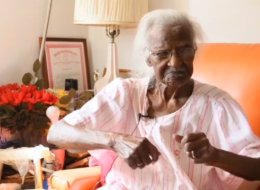
By  Kate Abbey-Lambertz  -  HuffPo:  Jeralean Talley is America's oldest living woman on record. And as she turns 115, we'd all do well to follow her example.

"Mother Talley," as she's sometimes called, celebrates her birthday Friday. Born in 1899, the supercentenarian has seen three centuries, and still seems to be going strong. According to the Associated Press, she's visiting the doctor Friday, but still feels healthy.

The Gerontology Research Group keeps a record of the validated longest-living people in the world. According to the GRG, Misao Okawa, who is 116 and lives in Japan, is the oldest living person. Talley is a close second.

Talley lives in Inkster, Mich. but was born Jeralean Kurtz in Montrose, Ga. She lived on a farm where she picked cotton and peanuts, according to Time. She moved to Michigan in 1935 and married her husband, Alfred Talley, in 1936. The two were together 52 years before he died.

It's not surprising that Talley gained some wisdom over her 115 years. Here are some of her simple, but timeless, words to live by.

Follow the Golden Rule.

Talley has repeatedly given the advice that you should treat others how you want to be treated. “Do unto others as you would have them do unto you, that's my way of living," she told WJBK-TV last year.

Always have a sense of humor.
Talley apparently tried to drive just one time, and failed miserably, as she tells the Detroit Free Press. But telling the story of that failed attempt, complete with a few expletives, cracks her up -- and us, too.

Keep active.

Talley went bowling until she was 104, and still has an annual fishing trip.

But don't be afraid to occasionally indulge.

Talley is known for making headcheese, a jellied loaf made of various pig parts, and has a sweet tooth, according to Time.

Have strong beliefs.

Talley's faith is a large part of her life, and she'll be celebrating her birthday at her local church this weekend. When asked why she lives so long, she told the Free Press, "It's all in the good Lord's hands."

Surround yourself with loved ones.

Talley was married for half a century. Now, she lives with her daughter and has great-great-grandchildren. One of her favorite activities is playing with her young great-great-grandson, according to the Free Press.

Be humble, and act wisely.

"I don't have much education, but what little sense I got, I try to use it," Talley told WJBK. There's a powerful message in her modesty.

Related:

Go Granny Go!! 

Great Grandmother Mary Allen Hardison: 101-Year-Old Woman Breaks Guinness World Record... Oldest Female to Paraglide Tandem

Obamacare Slashes Senior Home Health Care Services

Meet Dr. Ezekiel Emanuel: Deny Coverage to Elderly an Disabled for the Greater Good – But don’t forget… Sarah Palin was crazy…

Complete Lives System by Ezekial Emanuel

ObamaCare… the Kiss of Death - Collection of OBAMA SCARE - Articles U CAN NOT MISS!

Obama Embraces 'Death Panel' Concept in Medicare Rule

Obamacare to Herd Disabled Seniors to Bare-Bones Medicaid Plans

"People 70 and over will not be treated under Obamacare… and you thought DEATH PANELS were gone"– Updated

Soylent Green Anyone???

The 'kill granny' bill

The Return of Mediscare

On the Road to Death Panels

ObamaCare for Seniors: Sorry, You're Just Not Worth It

“Death Panel” Three Years Later 

BILL WHITTLE: Sarah Palin was RIGHT

Meet the ObamaCare Mandate Committee

Obamacare rationing panels an ‘immediate danger to seniors’: former AMA president

“Death Panel” Three Years Later

Obama Embraces 'Death Panel' Concept in Medicare Rule

1 in 3 Seniors Dies with Alzheimer's or Other Dementia - Updated

The Bilderberg Group’s Connection To Everything In The World – Updated

People of Faith

Obama Regulation Czar, Cass Sunstein, Advocated Removing People’s Organs Without Explicit Consent

Obama’s "Science Czar" Advocates De-Developing the US to World of Zero Growth

Video: More Scary Stuff From Obama’s Science Czar

Holdren Says Constitution Backs Compulsory Abortion

Holdren: Seize Babies Born to Unwed Women

List of Obama’s Czars Plus Two – Updated: 8.18.09 – Remember when the Czars were the hot topic… but they overwhelmed us and forgot them to do they scary dirty jobs…

Science Czar John P. Holdren – Updated 9.2.09 

ObamaCare for Seniors: Sorry, You're Just Not Worth It 

Checkout: ObamaCare Survival Guide

Thursday, May 8, 2014

Where to Go When You Need a Hospital for Dad?

How to choose hospitals that fit the needs of your senior in care. by francy Dickinson
HospitalDear Francy; We just got through with a horrible experience at our local hospital. We live in a bedroom community and my dad had been having trouble with pain in his stomach area. He had trouble going to the bathroom and his back hurt. So, we finally took him to the ER at our larger local hospital. We have two hospitals in the area; one is smaller and other is a big trauma hospital with a big ER. We went to the larger hospital thinking they would have a better ER to treat him. When we arrived the ER was packed and we had to wait and wait.  Then when he was in the ER room…there was no room for him! So he was on a gurney in the outer area while a police officer was patrolling the ER. There had been gang trouble and they were trying to keep two rival gang members separated while they treated them. Poor dad, was confused, in pain and totally unable to process why the police were there. It was a nightmare. Why do they let seniors take back seats to these horrible gang people?

I can understand your distress and I assure you they did not take the gang members over your dad. They do Triage and the gang members were in more high risk condition, than your dad so they went first. The problem was that the hospital itself is a haven for high stress when it is a trauma center. So, lets talk about hospitals and get the idea of how to choose them in your mind. Next time when an emergency comes up…you will be prepared and be able to guide the ambulance driver to the right place for your special care.

Triage Means:
noun(in medical use) the assignment of degrees of urgency to wounds or illnesses
to decide the order of treatment of a large number of patients or  casualties. 
verb to assign degrees of urgency to (wounded or ill patients)

I will assume your dad had prostate or blocked bowel, correct? Those are conditions that older men have and they are very painful. Elders often do not talk about their private bathroom problems with their care givers or family…until the situation gets painful. I understand that and I’m sorry you all had to go through that sad emergency experience. But lets roll back the clock and see how it could have gone differently.

Both elder men and women need to have a verbal check each day. Care giving is part immediate and part prevention. So everyday( I usually do it while I am picking up their breakfast tray) talk to them. “Dad how was breakfast, I see you did not eat very much of your cereal. How is your stomach feeling?” Dad says; “Oh, fine, I was just not very hungry.” You say; “Oh, well lets talk about it. Are you feeling OK..when did you last go to the bathroom?”

Then you go down the list; are you in pain…if so 1-10 how does the pain feel? When did you have your last bowel movement, or – you are going to the bathroom more often..why is that?” It may not be a hit parade topic for a father-daughter subject…but it pays off. You do this day after day and then he will get used to it. The conversation and your voice tone stay quiet and you sound calm…so your senior feels the conversation is normal. Pretty soon, you learn to take note of changes and you can make a quick doctor or nurse practitioner appointment. When you do that, remember to write down the symptoms your senior has been showing or talking about. As you arrive to the appointment, hand the paper over to the office person checking you in and ask them to attach it to the file for the doctor’s review. It will make the appointment go faster and easier for everyone.

As one older, very experienced in-home nurse said to me…”Francy, stay out of the ER as much as you can. It will usually mean more trouble than it is worth for an elder senior.” So, I try hard to catch problems before they get out of hand…but falls and extreme illness do happen and we all have to face them and learn to use the hospital system and keep as informed as we can.

Now, what I found after years of hospital visits is how to choose a hospital in advance to a problem. The smaller hospitals are perfect for ER visits when you have non heart related issues. So, if the senior falls, or has bowel or urinary problems, even stomach pains…that is something a small hospital does best. ERs are always busy…but less stressful in smaller hospitals because the “trauma’” issues are brought to bigger specially designed Trauma Centers…so car accidents, gun violence or heart problems that require loads of equipment and team efforts to solve a problem are their specialty. This huge effort for big care issues is much different then the smaller hospital ERs. Not that smaller hospitals do not carry heart issue equipment, but its nothing like the big Trauma Centers.

Heart issues are always brought to the larger hospital centers that have special heart teams on staff, at all times. So, you know if you have a senior with any heart, stroke or related issues with blood thinning medications…you have a clear path to that large Trauma Hospital. When you get all of this in your mind ahead of time…when the emergency hits…you are prepared.

Share your choices with anyone that will be caring for your senior …so this is all figured out and runs smooth. Every emergency is stressful…so to know the direction to go for help is really a step toward faster care.

Now if your senior is having small elective surgery…you want to once again take on that smaller hospital. But here is where that changes. If your senior is in a questionable situation…or diagnosed with something complicated…you want to find a “teaching or specialty hospital”. Yes, this could mean a drive to a larger city…but the specialty hospitals are simply a godsend when you have a complicated diagnosis from a doctor. When you face a long-term battle like cancer…having a full service cancer center to go to is a super smart way to treat the issue.

So the example would be this. Your senior goes to the smaller local hospital ER and is treated for a blocked prostate. They come back and say that the prostate is showing cancer, what to do?

There are a lot of decisions to be made in case of a complicated diagnosis. Prostate has many different treatment options. My young niece was just diagnosed with leukemia. That was a two-week ride of trying to figure out what kind of leukemia she had, so they could treat it well. If she was in a small town, with a small hospital – I would have asked them to transfer her to a children’s hospital in a larger city. That specialty hospital is trained in children issues, has specialists that deal with leukemia on a daily basis..not every once in a while. She was lucky because she had a children’s hospital close. She is safe and getting a complicated treatment schedule that the “Hospitalists” are well-trained for and she is getting stronger.

Something to know: Hospitality are now the treating physicians in the hospitals. 
You will be using a general Hospital, not your own regular doctor  when your 
senior goes into the hospital. This is what I found for meaning: A Hospitality 
is a doctor who basically does nothing except take care of in-hospital patients. 
They do not have private    practices, they strictly do hospital work.

A senior with the prostate blockage and possible cancer would be best at a large hospital with a specialty of cancer or a teaching hospital. That way all the newer treatments are available for the senior and they can give you a full understanding of your choices in treatments. What I have found is that town doctors may be specialists, but in emergencies they stick to what they have done for years. They stay close to treatments and drugs that are comfortable within their experience. I do not want a complicated situation to be handled in an out of date or common way. I want a complicated issue to be handled with a group of specialists that are on the cutting edge and will use different services to make you and the senior informed of the options of care. I also like the idea that a “group” of doctors will be reviewing the situation and debating treatment for your senior patient.

If you are reading this and say…WOW, my dad is older and does not want to have fancy extended care. He wants to pass naturally and easily.

That is called Palliative Care. Here is what I found on the meaning: 
With palliative  care, there is a focus on relieving pain and other troubling 
symptoms and meeting your emotional, spiritual, and practical needs. In short, 
this new medical specialty aims  to improve your senior's quality of life -- 
however you define that for yourself.

What I feel is that the word Palliative Care is an important word for you and your elder/senior in care need to talk about. That is why everyone needs a Living Will/Medical Care Directive. As you make out this form, you will go through the different options of care giving with the senior. You will then know how to make a decision in the middle of a medical emergency. Do they want to be on long-term care? Do they want to have CPR…there are many different questions on the form and the senior will be able to design their own life care. If those decisions mean that they do not want to extend their lives you need to talk to a doctor and get a special paper that says “NO MEDICAL LIFE SAVING SERVICES”. This paper will be signed by the doctor and the senior. So when you call for help and the EMT team arrives they know the rule and the paper is posted and they then do not have to do “any or all to save a life”. This is important to have when your senior is in the last journey of their life. Lots of families do not understand this rule and do not take that extra step. When the EMT or ER people respond to the senior’s needs they can not…just let the senior go…they are legally bound to treat the senior. But if you have the paper that the doctor and senior have signed (its different – in different states) you can show it and the medical team can relax and make the passing comfortable.

Inform yourself on the forms to keep your senior from extreme life saving 
treatments. Its a form here is what I have found on it: What are “Medical
Orders for Life-Sustaining Treatment” (MOLST)?
The MOLST form is a standardized document containing valid medical orders about
life-sustaining treatment. It stays with the patient and is honored by health 
professionals across all health care settings.

My mother had the MOLST paper posted…but when she started to bleed from her mouth..I still took her into the hospital and they found she had an ulcer from her medications. They did a small procedure to stop the bleeding and changed her meds. I did not think we should have let her life go, under the situation. It was a small mend and she lived on another two years. You see I knew how to make that decision because we had talked about her care when we did her care directive and I got my name on the paper as her Power of Attorney for Medical issues. I know it sounds complicated…but I assure you…during the care process for a senior these issues will come up. Life is not always “passing away in your sleep”. It can get very complicated. So with my mother…she did not want any fancy testing or complicated or major procedures to extend her life. I knew that and my choices for her care were easier for me because of our talking over her wishes.

To download your state’s health care directive forms FREE click here.

I have put the hospital phone numbers of my city on my cell phone. I have also thought about when I drive or when I call 911 for help. When my husband George had pneumonia I called a friend to come and help me drive him to the hospital. When he had symptoms of a heart attack I called 911 for immediate help. If you take a few minutes to think over the idea of when to call for help or when to do take action on your own…you will find that you are prepared in your mind…when and if an emergency pops up.

I also have just done a review of how to make sure that you are prepared for the ER hospital trip and possible stay. Here is a link to that blog so you can pack and have your Emergency Kit all ready to go.
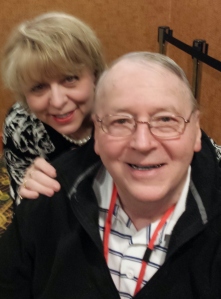
George on a rare out and about with me ;)

George on a rare ‘out and about’ with me ;)

I want to take time to thank you for the care giving you are doing for your senior. I know what a struggle it is to be a care giver and I appreciate all you are doing. Would you do me a favor and click on the “sign up” button on the right side of your screen. I am so busy with care giving for my Georgie (with Alzheimer’s and Parkinson’s) that my blogs are random…this way you will get an email with my new blog info. Blessings, francy

PS Thank you to all of you that are constantly supporting me during my care giving for George. He is getting much weaker with his Parkinson’s issues. So the care giving is more complicated and extended. But we did get out for dinner on Good Friday…to celebrate Easter. We met George’s son and his wife at a local restaurant and had a nice dinner. I picked a place that I could park and walk in on one level. George just wheeled up to the table and I did the running around the buffet to fill his plate. He had such a good time, but it took about three days for him to recover from the extended activity from the out and about. I think of our journey as “creative problem solving’ on a daily basis. I want George’s life to be as joy filled as possible. So, we make most quiet days into little celebrations of current events. He is happy and the care giving needed, is still within my range. Thanks again, francy


Friday, March 21, 2014

Are You Ready to Take Your Senior to ER?

How to be ready for emergencies so you and your senior can get to the hospital and be comfortable while you deal with the Emergency Room or extended stay. by francy Dickinson  -  SeniorCareTips

GrabnGo ER Kit 4 You!

Grab n Go Ready ER Kit – Just 4 You!

Dear Francy; I live in a small community and my dad lives with us. He had issues last week, his heart was in a race and he was fainting…on the floor…I was in a panic. I called the doctor, because dad was on a lot of heart meds and they said take him to hospital. A neighbor helped me get him in the car and off we went for a 28 minute drive to the hospital. Once there…they took over…but I just lost my head. I had none of his information with me, we start in ER and then were there for two more days while his drugs were adjusted and watched.  I was exhausted, worried and still dressed for work. It was an all around horrible situation. I remembered you talking about being prepared…I failed on that end…would you review the ideas for stress and emergency room trips. Thanks..Cindy, New Mexico

Thank you Cindy…don’t feel bad…I’ve been there too. You sit in that hospital and are uncomfortable…and can not just race home to change or get your things….so what I suggest is that if you are caring for a senior….YOU NEED A BAG FOR THE ER!

I have heard the stories for years…a spouse, family member or dear friend goes into a serious backward spiral and you know that you have to call 911 or take them to the hospital yourself. You are caught up in the moment of panic, worry and actual action of caring for the senior. Out the door you fly…to drive behind the ambulance or drive to the emergency care place yourself. The last thing on your mind is comfort..your mind is racing and your heart is in a high state of worry. But once at the hospital…everyone starts to ask you questions…social security numbers, health card information, does the senior have allergies, what are the medications that they are taking…you stand there in stunned silence…just wanting to be in the ER with your spouse or parent…and there you are – stuck with answering questions that you are not prepared to answer. After that nasty 15-20 minutes…you try to find your senior and they have started treatments. They are telling you things and you wish you could write them down…new ideas for treatment, interactions of medications and you are just trying to breath and tell your senior that they are OK…just hang in there. Then the ER puts the senior in a side area and they have to wait…wait for tests, wait for doctors to arrive, wait for ER or CAT scans…and the minutes stretch into hours and hours…then they say they will put the senior in a room for a couple of days…they want to keep them on close watch. Close watch? That means you don’t leave your senior’s side.

You are tired…your phone is on the last few minutes of energy…you have no phone numbers with you to use the hospital room line. You need to drink some water, have a snack but its the middle of the night and the cafeteria is not open yet and no change for the snack machines. You have now been at the hospital for 4-6 hours and you are looking at an over-night stay…sitting in a chair in the room. Nasty….and all of us…have gone through all of this and there is no reason to do that to ourselves….we do enough just loving and caring for our seniors. We need to be prepared for these fast, unscheduled emergencies….so we all need to put a kit together for our own use.

“ER Grab n Go Bag”

If you have not experienced this yet, please believe me…it happens…your senior can fall or become unwell in an instant…and you will be faced with all this drama…and wind up feeling like a fool that you did not plan ahead to make the trip so much easier for your self. REMEMBER: the hospital is going to give full care to the senior in the emergency…YOU are the one that is not going to be cared for…you are simply in their way…so you stay quiet and try to stay close to your senior so you can give them calm and love. BE PREPARED!

ER Info Kit for your Senior

ER Info Kit for your Senior

START WITH ER INFO KIT FOR YOUR SENIOR

I keep an ER info Kit for George in my handbag…and one in the kitchen. I have given one to my sister and his kids know where I keep another copy. I have all the info that the ER entry office person is going to ask me. There is a good copy of all his cards, front and back. There is a review of what he is allergic to and his personal needs for check-in. There is a very detailed medical prescription and doctor listing and there is Power Of Attorney or a letter signed…that allows you to give and get medical information. I also tuck in the driving instructions so if I get too nervous or stressed…I can still get to the hospital. This is a must…and you have to take time to type it up and make copies…and then you are set to go. I update my medication listing…and you will find a whole blog on the details on April 21, 2010 called “If your senior goes to ER, are you ready” Please put that in the search bar on the top of the page and read over that blog…it has all the details for the paperwork to get you in the out of the check-in process of hospital or doctor visits. I can not tell you how many health care professionals tell me how they love my kit…you will too.

Just remember this information is all of the personal ID on the senior and it has to be kept private and safe…so keep it protected...I use a plastic envelope and I also have a whole booklet that I use for his medical information. If you do put together the “Grab n Go Ready Kit” you will also have a spiral notebook n pen to take notes. Trust me…I have given care to my mum and my husband for over 10 years now…you need these items when you go to the doctor and the hospital. I know you may think they have all the patient’s information in their computer system…but you are wrong…info is rarely updated and they often lose the patient in the computer files. Be ready to give them any thing they need to help the senior get well in the middle of a crisis. Do not count on your mind…even ss# can be forgotten or mis-stated when you see someone you love in peril! (NOTE: What I remember is wasting time at the check-in window when I wanted so badly to be with my frightened 95 yr old mother in the ER room…to keep her calm. I did all of this so I would never have to repeat that.) The next time we were at the ER…the check in lady…just took my paperwork and told me she would enter it all and bring it to me in the ER…it was perfect. I have been thanked by nurses, doctors and admin-people for having the information so well-organized and it only took the time for me to enter it into the computer the first time. I update the info every six months or on medication changes. Easy -peasy for no stress check-in’s.

NOW LETS TALK YOU…HOW ARE YOU GOING TO COPE WITH HOURS IN THE ER– IF NOT DAYS IN THE HOSPITAL? JUST LIKE SCOUTS….”BE PREPARED”

hospital sleeping chairWell this is the chair you get to live in for a couple of days. As you can see it is not pretty, but it does recline and you can stay in the senior’s room…by their side and be part of their healing team. Even a First lady, does not get anything better than a sleeping chair in most hospitals. But trust me…its a lonely place if you don’t have anything with you.

So, out comes your ER GRAB n GO READY BAG…and you have a few things to make yourself feel comforted and rest as you help your senior do the same.

  1. Comfort and Warmth; I put an old pair of sweats and a warm top in the bag…with cozy warm slipper socks…that way my clothes are presentable to the public…but totally comfortable for me to sit and sleep. I also have a throw…or you could put in a hoodie so at night you can be extra warm…the hospital rooms are always cold to me. They often give you a blanket…but its never enough for me. As you see the chair it does have a lift so your feet will be up and the back will tilt. I have a pillow collar that I can tuck under my head or put on my lower back to ease the comfort level. You can get blow up neck pillows in the travel department. They are honestly the best gift to yourself in this situation. (I would rather use my things instead of hospital things…its a germ thing with me…my things make me feel safe, not worried about catching something)
  2. A small water bottle is in my bag…you can refill it in the hall with the drinking fountains. This is just a must…I don’t want to be buying soda all day…and swell up…the hospital can have dry air…so stay hydrated. I also have a couple of snack bars…to get me through. Usually the emergency is through the night and when I am able to take a few minutes to eat…the cafeteria is not open and you are faced with only snack machines. So, I have my snack bars and I tuck a few dollars in an envelope and keep in my bag. Often times, I am out of cash in my purse so this makes it easy to get anything I want out of the machines…and then I can also go to the cafeteria for a sandwich or soup during the day. I also tuck in a few tea bags and sweeteners…you can always get hot water from the nurse’s station…and it tastes so good to relax and calm yourself with tea. You can also ask them if there is a snack fridge for family….the VA has a nice area for us to go and get hot coffee, yogurt, or pudding etc – any time, when we are with our loved ones. Don’t be afraid to ask…it maybe there for you, just steps away from the room.
  3. Keep clean…wash your hands until you drop when you are in the hospital…and I have a small hand cleaner in my bag with Kleenex if I get snuffy. Plus…you will never find me wo/ my Advil. I have a bad back and I tend to get pressure headaches…so my little package of Advil that I got at the Dollar Store is heaven-sent when I’m in need. If I was taking medications…I would have a couple of ziplock baggies with a couple of days of those in my Ready Bag too. Nothing worse than going without your bladder or blood pressure med for a day or two…add in the stress and your body will really complain.
  4. Bored? Remember…people that are unwell…sleep. The hospital will give them drugs to keep them calm…but what about you? I bring a book to read. I use a Kindle but you don’t want to depend on remembering that….as you run out the door. A good old fashion paperback book and a pair of readers can be tucked in and ready for you to dive into and remove your stress in a good story. An older Mp3 player is also a great tuck in…yes, TV’s are in the rooms…but often they are on a channel that you don’t like or you can not hear them…so I make sure I have my own things to keep me calm. If you are a knitter…just tuck in an old project you have never finished…in a zip lock bag and its there for you. Think what it is that you enjoy…and make that happen in your Ready Kit.
  5. Calling the family? You need to have a re-charger in your bag…buy one that will recharge all your devises and if you tuck in your reader or tablet as you run out the door…you will be able to keep them going with your charger. Your mobile phone is your lifeline to the family…but many times the hospitals…block the cell phone signals. What then? You have to walk all the way to the front of the building and make your calls…not an easy thing to do. I had that happen to me and it was exhausting. So, write down a few of the key family phone numbers to keep posted. You can always ask them to send the information out to others. This way you can use the in-room telephone for local calling. I have my number in the front of my spiral notebook and I’m ready to go.
  6. Pets left behind…what about the mail? After a long stay in the ER and then you find out you maybe in the hospital for a day or two longer….have a neighbor or friend that has a key to your home and will take care of your pets. They can also pick up the mail and put it in the kitchen for you and just keep the lights out and everything in order while you are gone. I always put a key ring with my name on it…so the neighbor can keep it and knows who it belongs to — it could be a couple of years before the call could come for them to help….once you have this info in place…you can relax and know that all is well without you leaving your loved one to run home.
  7. A Ziplock baggie with little things that mean something to you…to keep you calm. Maybe you need cough drops…or lip balm. A new toothbrush and small toothpaste. Hand cream and face cream…Glasses and a glass cleaning cloth. Maybe you are a person that needs a few peanuts to keep you going or hand wipes to feel clean. If you are in need…you can tuck in a few Poise/Depend pads. Think comfort. NO the bag does not have to be a huge case…its just a big tote…but keep it full of things that bring you comfort…so when you are stressed and worried…you can keep yourself calm.
  8. If you forget your tote…then you call a friend to retrieve it from your hall closet and everything is in the tote..instead of the friend wandering around your home for a “few things”.

I suppose you read this and think…Oh, I will get on this pretty soon….please do not do that. Go right now and just put a few things in a bag and tuck it in the hall closet. You can make it fancy or expanded later..but get the ER senior’s information kit, in order and a few things in your own Ready Kit–RIGHT NOW. Its like giving yourself a gift…and you will rejoice in it if and when the day comes that an emergency hits your home…and you can just open a door grab your Ready Kit and walk out the door caring for your senior in need.

I always want to thank you for caring for your senior. Would you do me a favor and “sign up” up for the blog. That way it will come to you via the email and you will not miss any of the tips…and if you know someone that is a care giver…please share my blog with them…thank you.

As a spouse of a Alzheimer’s/Parkinson’s senior…I find the care giving can be so overwhelming and it represents such love. The gift of care is the dearest thing you can give to a person that has become unwell, unsteady or confused.

My Georgie has been declining a great deal lately. Falls and safety issues are a daily challenge for me to handle now. I am not blogging as much as I would like…but know I’m here for you to send me a message if you have a question or need help.

I am pleased to say I have a dear friend that helps me with my care giving….and I want to thank you for just “being there” for me in this journey I am taking with George….Friends are the best. I hope you feel I am on your friend list and you will feel free to ask questions that you may have at any time….Blessings…francy

Me with my friend Cheryl who is always helping me with George and supporting me as a loving friend...Thank you Cheryl!

Me with my friend Cheryl who is always helping me with George and supporting me as a loving friend…Thank you Chery

Friday, February 28, 2014

Seth Rogen Opening Statement (C-SPAN) hearing on Alzheimer's

This Exchange Between Famous Actor and a Democrat Isn’t Exactly What You Expect to See at a Senate Hearing.

TheBlaze: Actor Seth Rogen delivered a prepared statement during a U.S. Senate hearing on Alzheimer’s disease Wednesday — and it’s safe to say it was unlike most Capitol Hill testimonies.

“Thank you for the opportunity to testify today and for the opportunity to be called an expert in something, because that’s cool,” Rogen jokingly began. “I don’t know if you know who I am, chairman. I know you never saw ‘Knocked Up,’ which is a little insulting.”

Actor Seth Rogen testified on Capitol Hill Wednesday about how Alzheimer's has personally affects his family. (Image source: Screen grab via MSNBC)

Actor Seth Rogen testified on Capitol Hill Wednesday about how Alzheimer’s has personally affects his family. (Image source: Screen grab)

Sen Tom Harkin (D-Iowa) responded, ”I want the record to note that this is the first time, I will wager, this is the first time in any congressional hearing in history that the words ‘knocked up’ have ever been spoken.”

“…the first time in any congressional hearing in history that the words ‘knocked up’ have ever been spoken.”

Rogen then delivered a heartfelt testimony about his mother-in-law’s struggle with Alzheimer’s, peppering it with jokes poking fun of himself.


 Video:  Seth Rogen Opening Statement (C-SPAN) hearing on Alzheimer's

Feb 26, 2014:  Actor Seth Rogen gives his opening statement before a Senate hearing on Alzheimer's Research.

The self-described “man-child” concluded, explaining why he felt that he had to be present at the testimony Wednesday.

“I came here today for a few reasons,” he told the subcommittee. “One, I’m a House of Cards fan. Had to be here….Two, is to say people need more help.

Related: 

1 in 3 Seniors Dies with Alzheimer's or Other Dementia

Diagnosis & Treatment of Mild to Moderate Alzheimer's Disease

Part One: Researchers race to beat scourge of aging

Part Three: Burden of illness often heaviest for caregivers

UCLA on Alzheimer's Disease - young or old should read

Alzheimer’s Disease - Caregiver Tips

Final Stages of Alzheimer’s

Advances for Alzheimer's, Outside the Lab

Warning Signs: A New Test to Predict Alzheimer's

Super Spice Secrets: Can This Miracle Spice Stop Cancer, Alzheimer's and Arthritis?

Drinking Coffee Slashes Risk of Alzheimer’s

Stop Using 'Natural' Deodorants Until You Read This

Alzheimer’s Disease and Inappropriate Sexual Behavior

Pet Therapy

Animals Helping the Ailing, the Elderly, and the Young

Pets are way better than Therapy!

Low-Carb Diet May Slow Alzheimer’s Disease

Final Stages of Alzheimer’s

Activities for Alzheimer’s Patients

7 Alzheimer's Triggers by Dr. Blaylock – definitely worth listening to!!

Find Dementia Care

Games for Alzheimer's

Alzheimer's Homes

Buttered Popcorn Flavoring Linked to Alzheimer’s

Stop Using 'Natural' Deodorants Until You Read This

Warning Signs: A New Test to Predict Alzheimer's

Super Spice Secrets: Can This Miracle Spice Stop Cancer, Alzheimer's and Arthritis?

The Secret; Care Givers are the ‘Silent’ Boss

The Hoax at the Bottom of Autism and Alzheimer’s

Remember 'The Girls' - Views by Ann Hood

Alzheimer's: Tips to make holidays more enjoyable

Tuesday, July 2, 2013

When You Say ‘Enough’ To Giving In Home Care

How to make the decision to end the ‘in your home care’ of an elder. by francy Dickinson

Toots w Kathy, Merrilee n Francy at mother's downstairs area

Toots w Kathy, Merrilee n Francy at mother’s downstairs area in our home

Dear Francy: I don’t know what to do…I am in trouble and too tired to make a decision. My husband has MS and he is still functioning on his own. He is in a wheelchair but he has a good life at home, as a writer. We have three children ages 10-15 years and they are in the swirl of life. I have been a part-time cook at the local cafe. My husband’s aunt is all alone in the world and very dear to us. We have a mother-in-law outbuilding in our backyard and we have fixed it up and moved the Auntie in, to be close to us. She is a quiet and kind person that was doing for herself but she needed a lot of our help. It all seemed great for the first three months she was here. Then she got the flu and complications and she became more frail. Now, I have to care for her…running back and forth over the path to what the kids call “the cottage”. I am getting so tired and the house is beginning to feel the pressures. I don’t know what to do. Our Aunt has done nothing to upset us…she is just getting older and needs more care. Do you think this is just a bump? Or is this going to spiral down and take more of my time?

I can not tell you that, I am not a professional medical person. I am just a person that has years of giving in home care to my family and elders. So, what I will do is write down a list of things to help care givers with ‘in home care’ situations and you can pick and choose what might help you. Just remember there is no guilt when you try to give help and love to another…life changes and things often have to change. You are really in a situation that many others are…you are sandwiched in between job and family vs the care of a senior. Just the kindness of your heart, to make room for your beloved Aunt, is very dear to me. Thank you.

IDEAS OF HOW TO DECIDE, WHEN TO GIVE ELDER CARE IN YOUR HOME:

  1. YOU  have to save yourself first! My dear friend Cheryl, was a flight attendant for 25 years and they were taught to be the first to grab the oxygen when it dropped down! So they could stay clear headed and help others. Its a lesson for all of us to remember when we face situations that require so much of us as care givers.
  2. START SMALL. If you just take time to sit with your spouse and go over the needs list for your aunt and decide who will do what. Do not forget your children, they are all old enough to do little things and be in charge of this or that. Maybe they will take over more of the “in your house or yard chores” so you can go and take care of your Auntie. Be honest…this time can be an amazing learning lesson for your children and you. Giving up some of your own wants and doing for others…is what characters are built on. But this organization meeting will show you how much time you are spending. I don’t want to be out of place saying this…but a business meeting is like a “Come to Jesus”. You finally see what is in front of you.
  3. ASKING FOR HELP: If your Auntie has money then you have to be honest with her and get her to allow you to hire help. It could be a cleaning lady for both places that allows you to forget the little things a bit. The one help I insist on is a bath lady. I have said this a million times. They are worth their weight in gold and they should be the first on a sparse budget. They will take that pressure away and get the bath and hair all clean in a ‘faster than light’ action. Plus, they are another friendly face for the senior.  NO MONEY? Then you simply have to go down to the social services and get your Aunt signed up. They will do a review of her income and your care giving and they will provide help to make it easier for you. They will pay for her medications, they will provide food stamps for her food, they will pay – you – for care you are giving. (they do not pay for a spouse but they will pay for a family member or friend) Yes, in return they will make demands. You have to keep a clean area for the senior and do a few hours of nursing classes to teach you how to give healthy and wise care. But it was a life saver for me when mother’s care went into overdrive and I was not able to work any longer.
  4. BE HONEST: If you pretend life is fine, you are signing your own health decline order. This is not easy stuff…you simply have to say…I NEED REST. You can ask other family members to come one day a week, so you can ease your strain or simply sleep. You can ask your employer if you could just work two days instead of four days. Your income from the state should cover this change. You will find an increase in your expenses. Seniors require expensive food, protein drinks, Depends, extra electric bills with the increased clothes washing and heat bills. (seniors need heat all year round) Talk, the more you talk and ask for help…the more your family and community services will hear you and add you to their listing.
  5. COMMUNITY SERVICES AND FAITH BASED HELP: Even if you do not belong to a faith group, your local church, temple, etc is there for you. You are a part of their extended community and they will reach out to you. You may find that they have a list of retirees that are willing to come and just visit or sit with your senior so you can leave the house and shop. Or the senior can get a good laugh with a person of their own generation. You may find they have a food bank to help with extra items, they also have visiting lay-ministry people that will come and just talk with the senior. Do not get uppity about community help. Those services are made up of others that have gone through what you are going through and decided to put a group together to help others. Take advantage of their ideas and service time available.
  6. RELEASE ANGER: I have a list of families that are angry with their relatives because they did not help with giving care to their elder. If you can ask family to help you…to come and visit when you need to be at school for the kids…or to buy your elder a pair of slippers or new housecoat…then do it. But if they don’t…let it go. Just do not spend your already low energy on anyone that is not willing to reach out and give you a hug and help in your time of high stress. Those folks are not worth it. Let it be…
  7. GET A POWER OF ATTORNEY AND HEALTH CARE DIRECTIVE: I am afraid I often say this, so if you read my blog…its a repeat. But there is nothing, and I mean nothing more frustrating — than to give care to an elder on a daily basis and then have some punk realitive walk in the door and tell you that another anxiety medication is not really needed for your elder. Like they know! No one knows more than the “in home care giver” so you need to insist that you can make the decisions on the behalf of the elder. Then it will be your moral duty to make them in the best way you can, for the elder. Trust me, each time I talk about this…people think…OH my sister is better with forms and she will do it. NOT
  8. GATHER A HEALTH TEAM: Add your senior’s family doctor, get a specialist to at least see the elder once and review things. Get a nurse to talk to or just get a nurse practitioner to be your main care giver reference. Now lets talk real. Doctors diagnose they do not treat you. A nurse or care giver treats. So you need to learn how to ask the doctor questions and understand the chemistry of the elder’s health problems. The better your questions are, the easier the care giving will be. Then you need to know what will happen at home…and what that means you will be doing about the care. If you go through a bump, ask the doctor for in home nurse care, he can order that and the nurse will show you how to treat the elder. Bring in a nurse contact or help line to help you decide how to care for the elder at home and a pharmacist to explain the medications needed. The doctor will give you drugs and what is called an Rx for things like physical therapy, wheelchairs, in home help of an occupational therapist, message, therapy sessions, supplements etc. This is important; anything your senior needs should be written as a prescription so the insurance and medicare will accept it and help pay for it. Always ask the doctor to prescribe something and to give you generic medications so you are not going down a big hole when free services and medications are available to you.
    YES> THIS MEANS YOU NEED TO BE ORGANIZED. So don’t be a baby…the more you write down, the more questions you ask, the more you get clarified…the easier the care giving will be.
    Remember; talk to a nurse about home care tips…read my blog and learn home care tips. Use the Internet for extra advise and read it all…then make your own decisions. Talk about supplements that will help the elder and special ways to use food and exercise to increase the abilities of any senior in any stage of decline. Understand bowel movement difficulty, side effects of medications, dizziness, avoiding falls, eating difficulties, hydration challenges. All these things will come up so you need to write them down and have doctor or nurse show you how to treat the problems at home. It is not scary if you understand and are prepared.
  9. NO< NO< NO: I just do not want to clean a bottom, or smell blood, give a shot, or lift the elder up out of a chair. OK…see, that is being honest with who you are. It does not make you a bad person. You need to draw a line in the sand and when you come to that line the elder is going to be placed in a care facility. Everyone has a line, yours maybe closer than mine…but that does not make me a better person. I have a disposition to give care. I never knew I did…I was never a girl that said I wanted to be Nurse Francy. Now I know, that I can turn off my mind and just give the care without getting sick or too involved in the immediate yucky situation. Some can, some cannot. Know yourself and draw your line. I have a line. I drew it with my mother and now it is firmly in place with my husband and his decline with Alzheimer’s. They have to walk or at least be transferable. I have a very bad back and I simply can not lift a huge person and walk around without a great deal of pain. What is your line in the sand?
  10. HAVE A PLAN: Is there respite services you can use or senior day care services? Ask and find out how the local community is prepared to help you with rest. There needs to be a plan, where would you take your elder if they need to leave you? Some where close so you can visit and keep an eye on their care.  Have the place in your mind. Go and visit, tell them what you are doing and ask if they take medicare patients, if they have a long waiting list, if you could be on a secondary list of placement in case of emergency, etc. Once this is done, you will then be able to relax and know a quick transfer to a facility will not end up in you moving the senior again because the facility was not up to your standards of care. Call Hospice and ask them when you are to use their services…ask them how to judge the situation and they will walk you through a review of how to use them. So, if the senior is sinking down and wants to die at home…you can get help. Hospice also has facilities for end of life care…so find out the best way to use their services, now. Lastly, know what would happen if your elder passed in their sleep. Who do you call, is there money for a funeral, do they want a funeral. Do they want to be buried or cremated? Get it done early in the time you take the elder into your house. So as care accelerates you do not have to add another layer of upset to your own life. Get all this over and done. Then you can turn your attention to today…and making it a day of joy for you and your senior.

You may think no one cares about you being tired, upset and stressed over senior care. You may think that no one has ever been where you are today…but you are wrong. Generations have faced the same problems and found solutions that worked for them. One step at a time…give it time. A senior may have a big dip… and then in a week or two they will regroup, re energize and come back up in strength and life will go on again. Give it  all time. You take time to get over the flu…a senior takes more time. But encourage them to get well… keep them moving, drinking, eating and laughing. Let them know you want them to live… to the end of their life. Not just make it through to end. Keep your heart in the race and it will work out. Care giving is just a short part of your life time. The gift of your giving your heart… will come back to you in so many rich ways… year after year.

Blessings on all that you do for your family and your dear elder.

francy

Related:

1 in 3 Seniors Dies with Alzheimer's or Other Dementia  

UCLA on Alzheimer's Disease - young or old should read

Diagnosis & Treatment of Mild to Moderate Alzheimer's Disease

Alzheimer's patients follow different paths to a final debilitation 

Final Stages of Alzheimer’s  

Alzheimer’s Disease - Caregiver Tips 

Alzheimer’s Disease and Inappropriate Sexual Behavior

Activities for Alzheimer’s Patients 

Low-Carb Diet May Slow Alzheimer’s Disease 

Warning Signs: A New Test to Predict Alzheimer's

Super Spice Secrets: Can This Miracle Spice Stop Cancer, Alzheimer's and Arthritis?

Drinking Coffee Slashes Risk of Alzheimer’s

Stop Using 'Natural' Deodorants Until You Read This

Advances for Alzheimer's, Outside the Lab 

Aluminum + Fluoride = Alzheimer’s and Dementia

Pets are way better than Therapy! 

Life With Trig: Sarah Palin on Raising a Special-Needs Child 

What It's Like to Have Autism 

78 percent increase in autism rates over past decade coincides with new vaccination schedules

83 percent of brain injury vaccine compensation payouts were for autism caused by vaccines

Part Three: Burden of illness often heaviest for caregivers

The Secret; Care Givers are the ‘Silent’ Boss

The Hoax at the Bottom of Autism and Alzheimer’s

Remember 'The Girls' - Views by Ann Hood

Alzheimer's: Tips to make holidays more enjoyable

Wednesday, June 12, 2013

World's oldest man and oldest person ever dies in Japan at age 116

ADDITION Japan OBIT Worlds Oldest Person

Oct. 15, 2012: Jiroemon Kimura smiles after he was presented with the certificate of the world's oldest living man from Guinness World Records Editor-in-Chief Craig Glenday at his home in the city, Kyoto Prefecture, Japan. (AP)

FoxNews/AP: TOKYO –  Japan's Jiroemon Kimura, who had been recognized by Guinness World Records as the world's oldest living person and the oldest man ever, died Wednesday of natural causes. He was 116.

Kimura, of Kyotango, Japan, was born April 19, 1897. Officials in Kyotango said he died in a local hospital, where he had been undergoing treatment for pneumonia.

According to Guinness, Kimura was the first man in history to have lived to 116 years old.

Kimura became the oldest man ever on Dec. 28, 2012, at the age of 115 years, 253 days, breaking the record set by Christian Mortensen, a Danish immigrant to the United States, whose life spanned from 1882-1998.

The title of oldest living person is now held by another Japanese, 115-year-old Misao Okawa, of Osaka. Okawa was born March 5, 1898.

"Jiroemon Kimura was an exceptional person," said Craig Glenday, editor-in-chief of Guinness World Records. "As the only man to have ever lived for 116 years — and the oldest man whose age has been fully authenticated — he has a truly special place in world history."

Kyotango officials said Kimura's funeral would be held Friday.

"Mr. Kimura was and will always be a treasure to our town, to our country and to our world," said Mayor Yasushi Nakayama.

The new oldest living man, according to the U.S.-based Gerontology Research Group, is James McCoubrey, an American who was born in Canada on Sept. 13, 1901. Now 111 years old, he is the 32nd oldest living person according to GRG's list, which shows all those older than him are women.

Related:

Japan man climbs Everest at 80 

Great Grandmother Mary Allen Hardison: 101-Year-Old Woman Breaks Guinness World Record... Oldest Female to Paraglide Tandem 

At 102 Years Old, Birthday Girl Finally Stops Smoking

Go Granny Go!!

Humana Given Gag Order Letter by Government for Telling Seniors the Truth About ObamaCare Cuts

ObamaCare for Seniors: Sorry, You're Just Not Worth It  

The 'kill granny' bill

Useless Eaters 

2050: 1.1 Million Over 100 Years Old; Their Aging Brains

“Death Panel” Three Years Later

Obama Embraces ‘Death Panel’ Concept in Medicare Rule

Meet Dr. Ezekiel Emanuel: Deny Coverage to Elderly an Disabled for the Greater Good – But don’t forget… Sarah Palin was crazy…

Complete Lives System by Ezekial Emanuel

Soylent Green Anyone???

Death Panels are HERE 

Remember 'The Girls' - Views by Ann Hood

Waltz Into Old Age

Checkout: ObamaCare Survival Guide and Ageless

Monday, March 4, 2013

Unreal 9-1-1 nightmare: Nurse refuses to save dying woman by doing CPR

'Is there anybody that's willing to help this lady and not let her die?'

911-dispatcher-600-340x205[1]WND: It’s nothing short of a 9-1-1 nightmare, as an emergency dispatcher begs a nurse to perform CPR on a woman who wasn’t breathing and eventually died.

What’s shocking is the nurse not only refused to perform the CPR, she also refused to hand the cell phone to anyone else to help the dying woman.

Authorities have just released the chilling audiotape of the 9-1-1 call, where the 87-year-old woman at the Glenwood Gardens Retirement Facility in Bakersfield, Calif., was passed out on the dining-room floor.

When the dispatcher asks, “Is she breathing?” the caller replies, “‘Is she breathing?’ Barely.”

When asked to perform CPR, the nurse can be heard saying, “Yeah, we can’t do CPR at this facility.”

The dispatcher then says, “OK, then hand the phone to the passerby. If you can’t do it, I need, hand it to the passerby, I’ll have her do it. Or if you’ve got any citizens there, I’ll have them do it.”

“No, no, it’s not,” the nurse says. 

Complete audio of the 9-1-1 call can be heard here:

Raw Audio:  911 Call of Dying Woman Refused CPR…

The dispatcher said, “Anybody there can do CPR. Give them the phone, please. … This woman’s not breathing enough. She’s going to die if we don’t get this started.”

With time a crucial factor, the female dispatcher tries desperately to convince the nurse to take action, lamenting, “I don’t understand why you’re not willing to help this patient. Is there anybody that works there that’s willing to do it?”

“We can’t do that,” the nurse says. “That’s what I’m trying to say.”

“Are we just going to let this lady die?” the dispatcher says.

“Well, that’s why we’re calling 9-1-1,” the nurse replies.

“Is there a gardener … any staff? Anybody that doesn’t work for you, anywhere?” the dispatcher asks.”Can we flag someone down in the street and get them to help this lady? As a human being, I don’t, you know, is there anybody that’s willing to help this lady and not let her die?”

The nurse replies, “Um, not at this time.”

It was too late to save the woman by the time paramedics arrived.

“Our practice is to immediately call emergency medical personnel for assistance and to wait with the individual needing attention until such personnel arrives,” Jeffrey Toomer, executive director of Glenwood Gardens, said in a statement to NBC’s “Today” show. “That is the protocol we followed.”

Maribeth Bersani, of the Assisted Living Federation of America, told CBS News: “There’s no requirement that the people in the building be trained to perform CPR, so a company could state in a policy they don’t want anyone to initiate CPR.”

Jack Ford, a legal analyst for CBS, called the scenario “morally reprehensible,” and said the question involves, “a legal responsibility and legal liability.”

Raw Video: 911 Recording:  Did Liability Fears Lead to Woman’s Death?

Ford said: “What’s the agreement that this woman and her family had with this home, and … it was a residential facility, not a nursing home, assisted living. Very different if it was that. So if in their agreement they say specifically, ‘We do not provide emergency medical care. We will get somebody for you,’ then that could shield them from some problems. Then other question is, what are your reasonable expectations. When they sold this as a sales pitch, did they say, ‘Look, we have wonderful workout facilities, wonderful dining facilities and we have medical people on site here.’ Well, you know then, despite what might be in the agreement there, you have a reasonable expectation.”

As for the woman who refused to help, Ford said she was apparently told something as an employee.

“She may well be in a tough position,” he noted . “If she was told by her employers, ‘You cannot do this, if you do, you’re in violation, and you’ll lose your job.’ Now you have a woman being told, do I try to save someone’s life and by doing so, do I risk my own job for doing it. That’s why you have to look to the employers. The reality is, some states, you are starting to pass Good Samaritan laws that say you can’t be sued if you try to stop and help somebody, the reason is people sue you sometimes if you try to stop and help somebody. You have to look at the culture of society here, the litigious nature of society. It just – it’s a terrible tragedy.”

Thursday, February 14, 2013

Diagnosis & Treatment of Mild to Moderate Alzheimer's Disease

Changes in memory become normal as people become older, but memory loss that interferes with daily life is not normal. It may, in fact, be a case of mild to moderate Alzheimer's disease. That's why getting a proper mild to moderate Alzheimer's diagnosis is the only way to know.

There is no single test that will diagnose mild to moderate Alzheimer's disease. In order to diagnose mild to moderate Alzheimer's disease, your loved one's doctor must rule out other possible causes of symptoms, such as forgetfulness. A complete evaluation helps determine whether mild to moderate Alzheimer's disease is the cause of a person's symptoms.

The healthcare professional may:

  • Carry out a complete physical exam
  • Take urine or blood samples, or both
  • Carry out memory and psychological tests to see how well the brain is working
  • Order a brain scan (like a computerized tomography scan)

Is It Just Old Age or Is It Mild to Moderate Alzheimer’s  Disease?

How do you know if it is mild to moderate Alzheimer's disease? As people get older it's common for them to forget things. But at what point is misplacing your car keys considered old age or something worse? Old age can often result in memory loss, whereas mild to moderate Alzheimer's disease can cause loss of cognition, which includes things like memory, understanding, communication, and reasoning.

Mild to moderate Alzheimer's Disease Symptoms. Here is a checklist of common symptoms to help recognize the warning signs of mild to moderate Alzheimer's disease:

Memory Loss and Mild to Moderate Alzheimer's Disease

Forgetting recently learned information is one of the most common early signs of mild to moderate Alzheimer's disease. A person begins to forget more often and is unable to recall the information later.

What's Normal Aging? Forgetting names or appointments occasionally.

Difficulty Performing Familiar Tasks Because It Could Be Mild to Moderate Alzheimer's Disease

People with mild to moderate Alzheimer's disease often find it hard to plan or complete everyday tasks. Individuals may lose track of the steps needed to prepare a meal, place a telephone call, or play a game.

What's Normal Aging? Occasionally forgetting why you came into a room or what you planned to say.

Problems with Language May Be a Sign of Mild to Moderate Alzheimer's Disease

People with mild to moderate Alzheimer's disease often forget simple words or substitute unusual words, making their speech or writing hard to understand. They may not be able to find the toothbrush, for example, and instead ask for "that thing for my mouth."

What's Normal Aging? Sometimes having trouble finding the right word.

Disorientation to Time and Place Due to Mild to Moderate Alzheimer's Disease

People with mild to moderate Alzheimer's disease can become lost in their own neighborhoods, forget where they are and how they got there, and not know how to get back home.

What's Normal Aging? Forgetting the day of the week or where you were going.

Poor or Decreased Judgment Due to Mild to Moderate Alzheimer's Disease

Those with mild to moderate Alzheimer's disease may dress inappropriately, wearing several layers on a warm day, or little clothing in the cold. They may show poor judgment about money, like giving away large sums to telemarketers.

What's Normal Aging? Making a questionable or debatable decision from time to time.

Problems with Abstract Thinking–Is It Mild to Moderate Alzheimer's Disease?

Someone with mild to moderate Alzheimer's disease may have unusual difficulty performing complex mental tasks, like forgetting what numbers are and how they should be used.

What's Normal Aging? Finding it challenging to balance a checkbook.

Misplacing Things–a Sign of Mild to Moderate Alzheimer's Disease

A person with mild to moderate Alzheimer's disease may put things in unusual places: an iron might go in the freezer or a wristwatch in the sugar bowl.

What's Normal Aging? Misplacing keys or a wallet temporarily.

Changes in Mood or Behavior in Mild to Moderate Alzheimer's Disease Patients

Someone with mild to moderate Alzheimer's disease may show rapid mood swings – from calm to tears to anger – for no apparent reason.

What's Normal Aging? Occasionally feeling sad or moody.

Changes in Personality Due to Mild to Moderate Alzheimer's Disease

The personalities of people with mild to moderate Alzheimer's disease can change dramatically. They may become extremely confused, suspicious, fearful, or dependent on a family member.

What's Normal Aging? People's personalities do change somewhat with age.

Loss of Initiative Due to Mild to Moderate Alzheimer's Disease

A person with mild to moderate Alzheimer's disease may become very passive, sitting in front of the TV for hours, sleeping more than usual, or not wanting to do usual activities.

What's Normal Aging? Sometimes feeling weary of work or social obligations.


The Stages of Alzheimer's Disease

It can be confusing not knowing what to look for when your loved one shows possible symptoms of mild to moderate Alzheimer's disease, especially because it can affect everyone differently. Some people may not have every symptom, while for others, their symptoms may occur at different times. Since Alzheimer's disease can last as long as 20 years, it can be helpful to look at it in terms of stages. Knowing the stages can help give you a general idea of what to expect and how to provide care.

Unfortunately, mild to moderate Alzheimer's disease may bring about changes in your family member's overall functioning. Scroll down to find information about the changes you might expect at the mild and moderate stages of Alzheimer's disease and some suggested steps you can take to cope with these changes.

Mild Stage Alzheimer's Disease

Most people at this stage can still manage many of their daily activities themselves, but they may need some assistance or support to stay organized.

Possible Changes:

  • Having trouble carrying out tasks that require multiple steps, like following a recipe
  • Getting lost, even in familiar places
  • Having difficulty performing some household chores
  • Avoiding social situations
  • Having trouble remembering appointments, people's names, or things that happened recently

Steps the Caregiver Can Take:

  • Ask a trusted friend or family member to help manage your loved one's money
  • Write reminders to your loved one in the same place, such as a calendar or notepad, to look at often
  • Keep a list near the telephone of the names and telephone numbers of family and friends, along with their photos
  • Put labels or pictures on cabinets, drawers, and closets so that things can be found easily
  • Encourage your loved one to talk about his or her feelings with friends, family, clergy, or other professionals
  • Consider enrolling your loved one in adult education, recreation, or fitness classes to stay physically and mentally alive

Moderate Stage Alzheimer's Disease

People at this stage may have more trouble taking care of themselves, but they can still be involved in their daily care and follow a comfortable routine.

Possible Changes:

  • Needing help to take a bath or shower, choose clothing, or get dressed
  • Needing help setting a table or getting out of a chair
  • Developing sloppy table manners
  • Feeling restless or wandering, especially in the late afternoon or evening
  • Getting suspicious, angry, or easily upset
  • Having trouble recognizing family members
  • Having difficulty expressing oneself and understanding others

Steps the Caregiver Can Take:

  • Encourage your loved one to stay involved in things he or she enjoys doing, even if for shorter periods of time
  • Help your loved one share his or her memories with family members by telling stories or creating a scrapbook
  • Speak calmly and clearly – show what you mean as you say it by making sure you have your loved one's attention
  • Plan for exercise and other physical activity during the day to promote sleep at night
  • Research community resources to provide help, such as home healthcare agencies or adult day centers