Showing posts with label pet parents. Show all posts

Sunday, May 25, 2014

Memorial Day and Summer Cautions and Safety Tips For Pet Owners

JOMP:  Memorial Day is generally considered the unofficial start of summer.  It is a season of fun and leisure but can also be a time when pets are forgotten or injured, amidst the fun, games, activates and heat.  Our pets our family members and all animals under our car are our responsibility so this is a quick reminder that  pet (animal) health should be kept in the forefront of our minds to help ensure a safe season for all.

Memorial Day is often filled with travel, parties, parades that often include pets and fun under the sun, so  while it is fun to include our pets in our activates, we can't forget to take the extra steps to make sure they' are safe and protected.

Below are the top five top safety tips from the ASPCA that pet owners need to remember this summer:

  • Travel in Style: Traveling can be highly stressful for our pets. If you're planning a road trip, prep your pet in advance by taking short rides in the car and getting them used to riding in a crate or car harness. "Pet owners should never leave their animals unattended in a parked vehicle," said Dr. Louise Murray, vice president of the ASPCA Animal Hospital. "Parked cars, even with windows open, become very hot in a short amount of time, and this can lead to heatstroke or death." If you must travel by air, putting your pet in cargo isn't ideal. If this is unavoidable, take great care to purchase the required crate and tell every airline employee you are traveling with a pet in cargo to avoid your pet being left on the tarmac or outside during extreme weather.
  • Keep Cool: Dogs and cats can become dehydrated quickly, so give them plenty of water when is the weather is hot.. Also, make sure your pet has a shady place to escape the sun and don't let your dog linger outdoors, especially on hot asphalt. Being so close to the ground, your dog's body can heat up quickly, and sensitive paw pads can get burned.
  • Watch What They Eat:  Summertime can be perfect for backyard barbecues or parties, but remember that the food and drink you serve your guests may be poisonous to pets. Keep alcoholic beverages away from pets, and remember that the snacks you serve your friends should not be treats for your pet. Any change of diet - even for one meal - may give your dog or cat severe digestive ailments. Make sure to avoid raisins, grapes, onions, chocolate and products with the sweetener xylitol, since these are poisonous to pets, the no-no foods for pets.
  • Beware of "High-Rise Syndrome": During warmer months, many animal hospitals and veterinarians see an increase in injured animals as a result of "High-Rise Syndrome," which is when pets fall or jump out of windows and are seriously or fatally injured. Keep all unscreened windows in your home closed and make sure screens are tightly secured.
  • Love the Leash: Warm weather can inspire longer walks, but while this is exciting for both dog and owner, it's important that dogs are always kept on leashes with collars and up-to-date ID tags to protect them from getting loose and injuring themselves or others.

Also, be sure to carry the numbers for your dog(s), cat(s) and other pets’ local veterinarian, the 24-Hour emergency pet clinic and the ASPCA's Animal Poison Control Center at (888) 426-4435 for immediate assistance if needed.

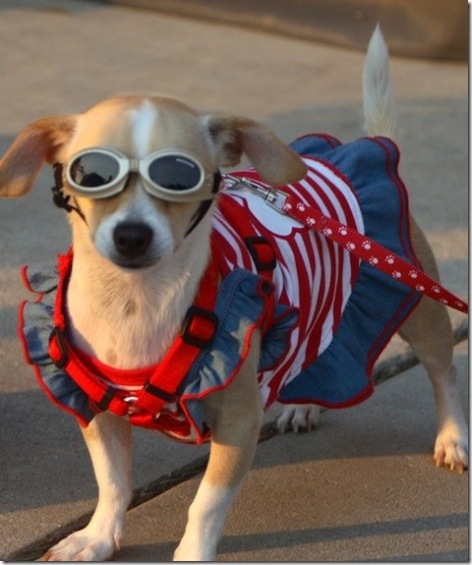
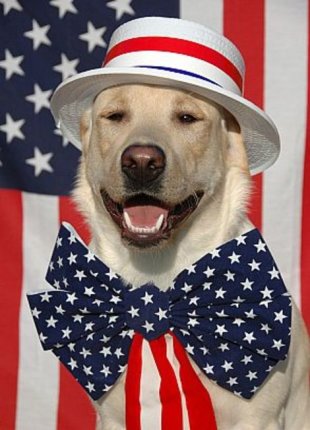
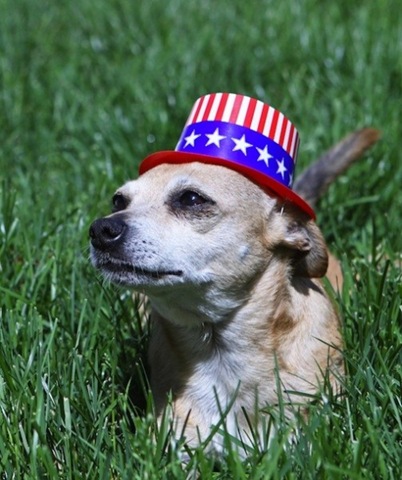
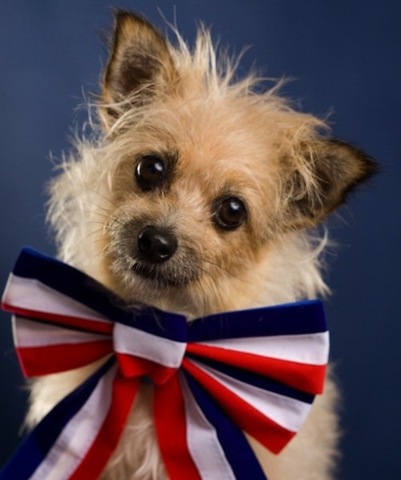
Below are some fun Memorial Day pet fun photos from 2013:

Fun Patriotic Memorial Day Pet Photos

Saucy Lady

Patriotic Horse

All American Dog

Patriotic Ferret

Is This Good

Patriotic Kitten

Patriotic Dachsies

Patriotic Gilla Monster

Festive Fido

Cool Patriotic Cat

Patriotic Bull Dog

Patriotic Donkey

Patriotic Cool Dude

Patriotic-Parrot 2

Patriotic Dog 3

Patriotic Piggie

Patriotic Retreiver

Patriotic Cat

Patriotic Doggie

Yeepet gallery Pets

Patriotic Chi

Yeepet gallery Pets

By Marion Algier – Just One More Pet (JOMP) – UCLA Shutterbug 

Ronald Reagan Honors America and Our Troops Past and Present 

Memorial Day 2014 

Photos From the Frontlines – The Dogs of War

Hero Dogs of 9/11 

Memorial Day Weekend Health Safety Tip Reminders 

Nation's oldest Memorial Day Parade returns to Bay Ridge

Military Heroes and Their Dogs

Sergeant Stubby

1st national monument for war dogs honors four-legged pup soldiers of World War II and beyond

Saturday, November 23, 2013

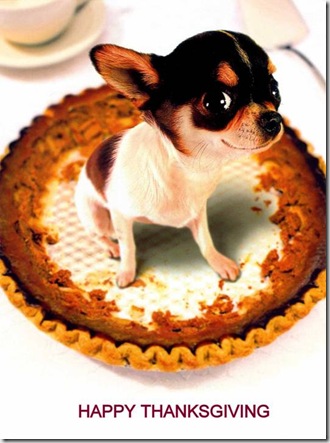
Keeping Pets Safe for Thanksgiving: The “Not So Safe” or No-No Pet Food List

pet-friendly-home Just One More Pet (JOMP) – Cross-Posted at AskMarion: The following foods are not safe for dogs, cats, potbellied pigs, or guinea pigs. Never give the following foods or beverages to your pets:

  • *Alcohol of any kind (a no-no for all animals)
  • *Anything with Caffeine (a no-no for all animals)
  • Avocados – especially for birds and cats
  • Baby food if it contains onion powder
  • Bones from Ham, Chicken, Turkey or Cooked Bones that can splinter
  • * (Raw) Bread or Yeast Dough
  • Candied Yams
  • Casseroles (unless you absolutely know that none of the no-no foods are in them)
  • *Chocolate and Cocoa (this includes things like brownies and chocolate chip cookies) and dark chocolate is the worst
  • Raw cookie dough can also kill dogs and small children.
  • *Grapes or raisins
  • Jell-O Molds
  • (Raw) Liver
  • *Macadamia Nuts (this includes things like cookies and pies) and go easy on nuts in general (nuts in general are not great for dogs, but walnuts, macadamia nuts, and pecans are particularly harmful and add the additional possibilities of health problems caused by fungus and mold. Peanuts and peanut butter are not on the no-no list but could also cause problems because of mold issues). Nuts are rich in monounsaturated fats, which are healthy for humans, but too much fat of any kind increases the risk of pancreatitis in dogs.
  • Milk (and American Cheese) can be a problem for some dogs. They can be lactose intolerant like some people.
  • Mushrooms, particularly wild mushrooms.
  • Nutmeg
  • *Onions, including onion powder (garlic should be fed in moderation)
  • Pecans, including Pecan Pie (nuts in general are not great for dogs, but walnuts, macadamia nuts, and pecans are particularly harmful and add the additional possibilities of health problems caused by fungus and mold.  Peanuts and peanut butter are not on the no-no list but could also cause problems because of mold issues).
  • Potato Skins and Green Potatoes (potatoes in general are not digestible by dogs).
  • Pork Products because of the nitrates
  • Stuffing (it usually contains onions, which are very harmful to pets)
  • Large amounts of Grains (often a main ingredient in cheap commercial pet foods)
  • *Raisins and grapes
  • Raw eggs (raw egg whites) – (According to the ASPCA, raw egg whites contain avidin, which damages a dog’s metabolism and creates a biotin deficiency, so they recommend owners should discard the white if feeding a dog raw eggs.  Others disagree.)
  • Tomatoes (plant and fruit) – All parts of the plant except the tomato itself are poisonous to humans
  • Vitamin A in large amounts causes toxicity
  • Walnuts (nuts in general are not great for dogs, but walnuts, macadamia nuts, and pecans are particularly harmful and add the additional possibilities of health problems caused by fungus and mold. Peanuts and peanut butter are not on the no-no list but could also cause problems, for humans as well, because of mold issues).
  • *Xylitol and anything with it in it.

Depending on the amount consumed and the size, breed, species and age of the animal many of the items above can cause death, but they definitely can and usually cause discomfort for the pet/animal, more and expensive vet bills for you, butt scooting, and stress in your pets and for you. Distention of the abdomen, vomiting, muscle tremors, paralysis bloody stool, depression, stress, jaundice, disorientation, diarrhea, lethargy, lack of coordination, difficulty breathing, tremors, coma, abnormal fluid accumulation, drooling, restlessness, anemia and seizures are among the symptoms and conditions that can be caused by the aforementioned foods.

The range of diseases and conditions caused or intensified by the No-No Foods for pets include: coma, heart arrhythmia and cardiac arrest, paralysis, pancreatitis, inflammation throughout the body, seizures and tremors, gastric-dilitation volvulus (twisted stomach) and death.

*Causing the most severe health problems and the most incidents of death.

Tobacco products and many plants and herbs are also bad for pets.  Poinsettias, tomato plants and the Sago Palm are among the common plants that are toxic to dogs/pets. 

How to keep your dog safe during Thanksgiving holidays

“Holidays Are Great and Fun To Share With Our Pets, As Long As We Avoid the No-No Foods”

Common Foods That Are Harmful Or Even Fatal to Dogs

Pets and Toxic Plants

More Dogs (and Cats) Getting High, Sick and Fat In States Where Marijuana Is Legal – Drugs, unless prescribed or are specifically made and approved for animals, are a No-No!

Cooking real food or feeding a raw diet is generally the best option for most pets, but pet parents need to know the general restrictions as well as those for their particular pet plus make sure that their furkids are getting all the nutrients they need and avoiding too many fats, sugars and of course the no-no food list!  Commercial pet food, including kibble, is a rather new creation along with pre-packaged, processed and restaurant-style junk food for humans, including baby food and baby formula, filled with questionable additives and unrecognizable ingredients; none of which are proving to be the best choices, just read the labels.  All were invented for the consumers’ convenience and the profit for their manufacturers not good health and nutrition. The more fresh and freshly prepared food from good sources, as well as mother’s milk over formula for babies, the healthier we, our children and our pets are and will be!

When Raw Food is NOT the Right Food for Your Pet

Every species, breed or type of animal has its own requirements and no-no’s.  As a pet parent or the parent of a learning pet parent, it is your job to find out what those requirements and no-no’s are and meet those needs.  A pet is a living creature that adds joy to our lives.  We are all God’s creatures and any animal is a gift that has been given to you to cherish and take care of properly!!

Tuesday, April 30, 2013

Addressing the Top Most Common 4 Pet Myths

Big Family

It’s no secret that Americans love their pets. According to the Humane Society of the United States, 39 percent of households own at least one dog 33 percent own at least one cat, and many own multiples and/or other types.  And then there are the people and families with working dogs and companion animals who give their human a better shot at a full life. Furry family members bring joy and excitement to a household, relieve stress and actually help people live healthier and longer. Providing the best care possible for your pets helps ensure pets have a long, healthy life… and cuts down on the vet bills.

Unfortunately, with so much information available, it’s easy to become confused about what is really best for them. Dr. Ashley Gallagher, veterinarian at Friendship Hospital For Animals, petMD, Dr. Karen Becker and JOMP shed some light on some of the most common pet myths.

Myth 1: If cats have nine lives, what do dogs have?catchats_027

Cats’ curious nature and quick reaction times are likely the basis of the nine lives reputation, but in reality owners need to remember that both cats and dogs only have one life. That is why it’s important to schedule regular veterinary visits to ensure your pet has a long, healthy and happy one. If at all possible, going to the veterinarian shouldn't only be reserved for times when your pet is sick. Your pet needs annual wellness check-ups, vaccines, dental exams and nutritional consultations, just like humans do.

Myth 2: (All) Table scraps are OK.

all-pets-petstittingDid you know that one ounce of cheddar cheese for a 20-pound dog is like a human eating more than one and a half chocolate bars? That same piece of cheese for a 10-pound cat is like eating almost three full chocolate bars! Table scraps are basically empty calories for cats and dogs, unless they are meat, fish or veggies (that they can and should eat). And definitely make sure that the table scraps and little sneaks never include any of the No-No foods.

Pets need balanced nutrition for their specific life stage and special needs to remain healthy. A good food like Hill’s Science Diet or Royal Canin  is great as a staple because it gives them nutrients that they might be missing and it is always good for emergencies if your pets well-rounded eaters.  But the best regular diet is either a raw-food diet (not right for all pets) or home-cooked balanced meals for your pets.  And make sure that your dogs are getting some bones in their diet.

Remember… in the wild they would be eating raw foods and up until a couple decades ago, when some big companies realized they could make money from making and selling commercial pet food, regardless of their nutritional value… commercial pet food, like commercial baby food and formula and convenience foods for humans, was born… none of which are best choice for animals, babies or humans.  There are also some great natural supplements, like StemPet and StemEquine around for pets.

Myth 3: Dogs wag their tail when they are happy.

Dogs wag their tail for many reasons; the most common is that they are either happy or nervous. Cats will also wag or flick their tail when they are upset or thinking. Pets communicate via complex body language rather than vocal expression like humans. Learning to read what your pet is telling you will go a long way in helping to build a fulfilling relationship. Ask your veterinarian for advice if you feel stuck learning your pet’s body language cues.

Myth 4: Letting my dog out in the yard is enough exercise.

Dogs and cats both need plenty of physical activity and mental stimulation to stay healthy. If you just leave your dog out in the yard alone they might not get much of either. It’s important to take them for walks, play fetch or simply run around together. Not only will it make for a happier, healthier dog, but it will also help to strengthen your relationship. Cats should be kept indoors for their safety, but there are plenty of toys that work their brains and their bodies at the same time. Some people even take their cats for a walk on a leash. Visit your local pet store to find some toys that fit the bill.

Each pet is unique, so ongoing care, including precisely balanced nutrition, regular wellness visits to the vet and daily play periods are all good things that keep your pet healthy and living well for many years to come.

h/t to the Press Enterprise – Lifestyles page

Related:

Are Chemicals Making Us, Our Babies and Our Animals Sterile and Ill?

8 Out of 10 Pet Owners Didn’t Recognize These Signs of Illness – Will You?

The Case for Healthy Bowels: The Vital Connection Between Your Gut and Your Health

Friday, November 23, 2012

Thanksgiving/Holiday Safety and Health Tips For Pets

clip_image001

“Holidays Are Great and Fun To Share With Our Pets, Who Love To Be Part of the Family Activities, As Long As We Avoid the No-No Foods”
clip_image002

JOMP: While giving your pets Thanksgiving leftovers or scraps from the table can be a heartwarming experience for you and an exciting experience for them, it is important to be aware of which Thanksgiving leftovers are pet friendly, and which ones should remain in your fridge and away from your pets’ food dish.

To help you decipher which Thanksgiving leftovers are safe for your pets to eat, we have compiled two lists below — a “safe” list and a “not safe” list — that you can use as a quick reference during your Thanksgiving meal. But be sure to pay attention to the pets mentioned in the lists, and how the food should be prepared; just because something is safe for a dog doesn’t mean it’s safe for a cat.

If you, or your family, eat a food during the Thanksgiving holiday that is not mentioned on the lists below, do some additional research or talk to your local vet about the safety of the food in question.

Thanksgiving/Holiday Safety Tips For Pets

‘Tis the season for friends, family and holiday feasts—but also for possible distress for our animal companions. Pets won’t be so thankful if they munch on undercooked turkey or a pet-unfriendly floral arrangement, or if they stumble upon an unattended alcoholic drink.

Check out the following tips from ASPCA experts for a fulfilling Thanksgiving that your pets can enjoy, too.

Sage Advice
Sage can make your Thanksgiving stuffing taste delish, but it and many other herbs contain essential oils and resins that can cause gastrointestinal upset and central nervous system depression to pets if eaten in large quantities. Cats are especially sensitive to the effects of certain essential oils.

No Bread Dough
Don’t spoil your pet’s holiday by giving him raw bread dough. According to ASPCA experts, when raw bread dough is ingested, an animal’s body heat causes the dough to rise in his stomach. As it expands, the pet may experience vomiting, severe abdominal pain and bloating, which could become a life-threatening emergency, requiring surgery.

Don’t Let Them Eat Cake
If you’re baking up Thanksgiving cakes, be sure your pets keep their noses out of the batter, especially if it includes raw eggs—they could contain salmonella bacteria that may lead to food poisoning.

Too Much of a Good Thing
Boneless pieces of cooked turkey, some mashed potato or even a lick of pumpkin pie or cheese cake shouldn’t pose a problem. However, don’t allow your pets to overindulge, especially if you don’t normally cook for your pets, as they could wind up with a case of stomach upset, diarrhea or even worse—an inflammatory condition of the pancreas known as pancreatitis. In fact, if your pets have sensitive stomachs, it is best to keep them on their regular diets during the holidays with just some table scraps added to their food.

A Feast Fit for a Kong
While the humans are chowing down, give your cat and dog their own little feast. Offer them rawhide strips, Nylabones or made-for-pet chew bones. Or stuff their usual dinner—perhaps with a few added tidbits of turkey, vegetables (try sweet potato or green beans) and dribbles of gravy—inside a Kong toy. They’ll be happily occupied for awhile, working hard to extract their dinner from the toy.

The “Safe” List

Cranberry Sauce

While cranberry sauce is safe for most dogs, it has the potential to make them a little wild or give them an upset stomach if they’re not used to fruit or foods high in sugar. So if you want to give your dogs a little cranberry sauce this holiday season, start out slow and see how your dog reacts. Cranberry sauce should also be safe for cats and potbellied pigs, but again, only in small portions.

Green Beans

Safe for cats, dogs, potbellied pigs and guinea pigs, green beans that are low in sodium (try using unsalted ones) can actually be good for your pets when served in moderation. As long as the green beans you have leftover this Thanksgiving don’t have anything extra added (no green bean casserole!) they are pet friendly Thanksgiving leftovers.

Ice Cream (Dogs Only), a Few Licks of Pumpkin Pie, Cheesecake or Carrot Cake Without Nuts

While it is not a good idea to give your cat, guinea pig, potbellied pig, or any other common pet type ice cream this Thanksgiving, ice cream is safe for dogs to eat in small amounts as long as it contains no chocolate. A few licks of pumpkin pie, cheesecake or carrot cake without nuts are also fine.

Macaroni and Cheese (Dogs and Potbellied Pigs Only)

As long as you don’t give you dog or potbellied pig too much macaroni and cheese, it is safe for them to eat on occasion, but not all the time.

Mashed Potatoes

As long as you don’t add anything extra to your mashed potatoes (such as cheese, sour cream, or gravy) mashed potatoes should be safe for dogs, cats, and pigs. But again, remember portion control: don’t give them too much, and consider mixing a little bit of mashed potatoes into their dry food instead of giving them mashed potatoes by itself.

Turkey

While leftover turkey can be safe for dogs, cats, and potbellied pigs, make sure that the turkey does not have any bones, and that any excess fat and the skin has been removed. Also be careful about portion control, not giving your pets — no matter how big they are — human sized portions of turkey. It will be very rich for them, and could cause them to be sick if given too much. If you decide to feed your pet a little nibble of turkey, make sure it’s boneless and well-cooked. Don’t offer her raw or undercooked turkey, which may contain salmonella bacteria.

The “Not So Safe” List

The following foods are not safe for dogs, cats, potbellied pigs, or guinea pigs. Never give the following foods or beverages to your pets:

· Alcohol of any kind

· Anything with Caffeine

· Bones from Ham, Chicken, or Turkey

· Candied Yams

· Casseroles (unless you absolutely know that none of the no-no foods are in them)

· Chocolate and Cocoa (this includes things like brownies and chocolate chip cookies) and dark chocolate is the worst

· Jell-O Molds

· Macadamia Nuts (this includes things like cookies and pies) and go easy on nuts in general

· Pecan Pie

· Potato Skins

· Pork Products because of the nitrates

· Stuffing (it usually contains onions, which is very harmful to pets)

· Anything with onions in it (and garlic should be fed in moderation)

· Anything with Xylitol in it

· Grapes or raisins

· Raw eggs

· Mushrooms

· Baby food if it contains onion powder

· Milk (and American Cheese) can be a problem for some dogs. They can be lactose intolerant like some people.

· Avocados – especially for birds and cats

Poinsettias:
These plants are probably the most popular holiday plant and are easily recognizable by their large red, white, pink, or mottled leaves. These plants also contain a thick, milky irritant sap. In general, it would take ingestion of a large amount of this plant to see possible clinical signs in your pet. Signs could include vomiting, anorexia and depression. The symptoms are generally self-limiting and treatment is rarely needed. Your Vet may recommend limiting food and water intake for 1 or 2 hours if your pet is suspected of becoming sick after ingestion of poinsettias. Ingestion of poinsettias will not kill your pets, but keeping them out of reach is a good idea; and fake ones might be even a better idea!

Thanksgiving Pet Recipe of the Day Simple Roasted Organs

(This is a great recipe to make up for Thanksgiving to feed your canine friends… you can substitute chicken for the turkey and add a few turkey scraps at carving time, or just bake the liver and giblets and add the warm turkey as you carve… just go easy on the skin and watch for bones.)

This dish can actually double up as a treat, or healthy topping to your pet’s usual meal. Turkey giblets (hearts, livers and kidneys) are available from butcher shops and many natural food markets – and also come included with most Thanksgiving turkeys!

This recipe is super-simple and just about all pets love it! Since this recipe is cooked, turkey necks should not be used.

Ingredients

Up to 1 lb Turkey scraps, organs/giblets (don’t include bones)

6 tbsp Olive Oil

½ tsp Dried or Fresh Rosemary

1 Clove Garlic, crushed or finely diced (optional)

Preparation

Preheat the oven to 350 degrees. Arrange the organs on a baking sheet. Slowly pour on the olive and gently shake the pan so that the oil is evenly distributed. Sprinkle on the rosemary and crushed garlic. Place in the oven and cook for about 35 minutes, until golden brown. Cool before serving and refrigerate any leftovers for up to 3 days.

For cats, dice the organs finely with a sharp knife before serving. This technique also works well to create bite-sized training treats that are a little bit different.
clip_image001clip_image002clip_image004clip_image005

Monday, August 13, 2012

Dog and Cat Vaccines are Not Harmless Preventive Medicine

The dangers of vaccines are surfacing for children, people in general, and now pets (below), See: New Organization VaxTruth Fights Vaccine Damages
Story at-a-glance
  • Vaccinosis is a condition recognized almost exclusively by the holistic veterinary community. It is not generally acknowledged by traditional veterinarians.
  • Dr. Richard Pitcairn defines vaccinosis this way: “Vaccinosis is to be understood as the disturbance of the vital force by vaccination that results in mental, emotional, and a physical change that can, in some cases, be a permanent condition.”
  • Vaccines are composed of modified live viruses, killed viruses and a number of potentially toxic substances. They also enter the body in an unnatural way (by injection) compared to real viruses. They bypass the body’s first lines of defense and are delivered directly to the blood and lymph systems.
  • Vaccine reactions, or vaccinosis, are wide-ranging. Some reactions are relatively minor, while others are life-threatening.
  • Fortunately, the traditional veterinary community is slowing becoming aware that vaccines are not the benign disease-prevention tools they were once thought to be.

Video: Vaccinosis and Your Pet

Download Interview Transcript

By Dr. Becker  -  Dr. Mercola.com – Cross-Posted at Just One More Pet

I talk a lot about vaccine dangers here at MercolaHealthyPets, and I often mention a condition called vaccinosis.

Since vaccinosis isn’t recognized by most traditional veterinarians and isn’t something many pet owners have ever heard of before, I thought it would be helpful to do a short video to explain the condition.

Vaccinosis Defined

First, let’s talk about what vaccinosis isn’t.

It isn’t an acute, often immediate adverse reaction to a vaccine. Adverse events, or hypersensitivities, whether mild (such as lethargy, flu-like symptoms, etc.), or severe (such as anaphylactic shock), that are clearly linked to a recent vaccination are widely acknowledged by the traditional veterinary community.

Unfortunately, these reactions are considered by traditional vets to be occasional aberrations of a basically safe procedure.

Vaccinosis, on the other hand, is a problem only holistic veterinarians seem willing to acknowledge. It is a reaction of a pet’s body to vaccines that have been injected without the pet having experienced a notable adverse event or hypersensitivity. These are chronic reactions to not only the altered virus contained in the vaccine, but also to the chemicals, adjuvants, and other components of tissue culture cell lines -- as well as possible genetic changes -- that can be induced by vaccines.

Dr. Richard Pitcairn, who holds a PhD in immunology, defines it this way: “Vaccinosis is to be understood as the disturbance of the vital force by vaccination that results in mental, emotional, and a physical change that can, in some cases, be a permanent condition.”

Dr. Pitcairn: Vaccines Create Chronic Disease

According to Dr. Pitcairn, vaccines intended to protect pets against acute natural diseases actually create chronic conditions with features of the disease the vaccine was supposed to prevent.

This transformation happens in the laboratory, where natural viruses are modified in order to make vaccines.

Where the natural virus would trigger a strong immune system response, the modified lab-created virus in the vaccine doesn’t elicit much of a reaction by the animal’s immune system. Instead, it creates chronic disease.

The delivery of a vaccine is also very different from how a natural disease develops in an animal’s body.
Vaccines contain a number of toxic substances, including viruses, mutated bacteria, immune irritants, foreign proteins, and chemical preservatives. All of these toxins are delivered by injection directly into the blood and lymph, bypassing the usual first line of defenses, including the skin, mucous membranes, saliva, and so forth. So not only is the virus in the vaccine unnatural, the way it enters a pet’s body is also very unnatural.

When you look at the situation from this perspective, it’s easy to see how abnormal immune reactions are triggered by vaccinations.

Your Pet’s Individual Risk of Vaccinosis

The strength and balance of every animal’s immune system is different, so there’s no way to predict – unless your dog or cat has had a reaction in the past -- how much danger your pet is in from exposure to the modified virus contained in any given vaccine or the many toxic ingredients it contains.

That’s why I strongly encourage pet owners to avoid all unnecessary vaccines and re-vaccinations.

Symptoms of Vaccinosis

Common vaccine reactions include:

  • Lethargy
  • Stiffness
  • Hair loss
  • Lack of appetite
  • Hair color change at injection site
  • Conjunctivitis
  • Fever
  • Sneezing
  • Soreness
  • Oral ulcers

More serious reactions:

  • Immunosuppression
  • Granulomas and abscesses
  • Behavioral changes
  • Hives
  • Vitiligo
  • Facial swelling
  • Weight loss
  • Allergic hypersensitivity
  • Reduced milk production (females)
  • Respiratory disease
  • Lameness
  • Allergic uveitis

Very severe illness:

  • Injection-site sarcomas (cancer)
  • Glomerulonephritis
  • Anaphylaxis
  • Myocarditis
  • Autoimmune arthritis
  • Encephalitis or polyneuritis
  • Polyarthritis
  • Seizures
  • Hypertrophic osteodystrophy
  • Abortion
  • Autoimmune hemolytic anemia
  • Congenital abnormalities
  • Immune-mediated thrombocytopenia
  • Embryotic (fetal) death
  • Thyroiditis
  • Infertility

Dog and Cat Vaccines: The Importance of Exercising Caution

Since the introduction of dog and cat vaccines, the traditional view of their use has been that they are safe and can be given as frequently as once or twice a year. This approach, tragically, has caused a tremendous amount of suffering for millions of pets.

As the truth about the dangers of vaccines slowly emerges, even traditional veterinary organizations and practitioners are acknowledging that vaccines are not the benign, “better safe than sorry” veterinary tools they were thought to be.

My recommendations for vaccinating your pet can be found in several videos, articles, and interviews here at MercolaHealthyPets. Most importantly, I don’t recommend automatic re-vaccinations at prescribed intervals for any pet.

If you believe your pet could be suffering from the negative effects of over-vaccination, I strongly recommend you work with a homeopathic or holistic vet to create a tailor-made vaccine detox program to assist your dog’s or cat’s body in recovering from vaccinosis.

Related:

Do Vaccinations Affect the Health of our Pets?

New Parasite Prevalence Maps Help Pet Owners Prepare

Friday, September 26, 2008

Your Pet and Your Health

Many of us agree that we should do everything within our power to make sure that our companion animals enjoy the best possible health.  But did you know that simply by being a part of your life, your dog or cat could actually help you to be not only happier but healthier, too?

Of course you did.  It’s all part of the privilege (and fun!) of being a pet parent.  What you may not know is that there’s plenty of science to back it up.  A wealth of knowledge regarding the health benefits associated with having companion animals has been accumulated over the last two decades, including numerous research studies in the U.S. and abroad.

A study published in 
The British Journal of Health Psychology reports that people who have companion animals tended to be healthier than those who did not.  Additionally, when a dog was part of the family, the members had fewer minor ailments, lower blood pressure and lower cholesterol.  Although the explanation for these advantages is unclear, researchers speculated that all benefits could be accounted for by reduced levels of stress, possibly due to increased physical activity and levels of social interaction.

The positive effects of having a canine companion have also been chronicled in research published in the 
American Journal of Cardiology.  The year-long study documented the effect of having a canine companion in 369 patients who had suffered an acute heart attack.  The positive effects were nothing short of extraordinary!  The patients who had a dog in the home had a much better chance of survival.  Over 7% of patients without a dog died during the study, compared with only 1% of those who had a canine companion.

Researchers at the University of Leicester found that when pets are in a household, children six years and younger develop social skills at an accelerated rate.  Additionally, these children tend to have better coordination, improved confidence, superior communication skills and are even less likely to have allergies!

The British Medical Journal concluded that pets serve a vital need for socialization, especially for those at a higher risk for isolation, like those with physical limitations that might prevent opportunities for social interaction.  Most medical professionals agree that the broader the network of social contacts, the better we are able to deal with difficult life issues.  This study, and others like it, supports the idea that this need for social relations can be fulfilled equally well by companion animals as with people.

And a survey by the American Pet Products Manufacturers Association revealed that bringing a companion animal to the office resulted in higher worker productivity.

These and many other studies reinforce what we as pet parents have suspected all along … that our beloved four-footed companions are integral parts of our families, enriching our lives beyond measure.

Source:  Healthy Pet Net