Showing posts with label Thanksgiving Food. Show all posts

Thursday, November 28, 2013

Healthy Holiday Eating Tips for Thanksgiving

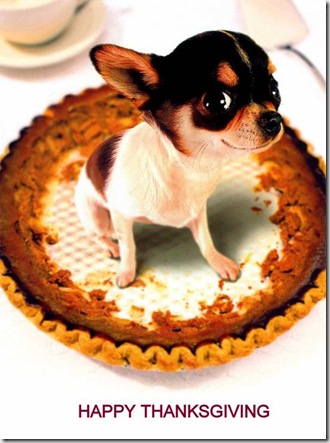
Happy Thanksgiving to You and Yours!!

http://cjaronu.files.wordpress.com/2009/11/rockwell_thanksgiving.jpg?w=525&h=681

(Photo) A Norman Rockwell Thanksgiving

(HealthCastle.com) Do you know that the average Thanksgiving dinner has over 2000 calories? It can be a real challenge if you are watching your waistline. The following are some eating tips so that you can still look good and be healthy after the Thanksgiving dinner without having to deprive yourself.

Healthy Holiday Eating Tips for Thanksgiving

If you are a guest of a Thanksgiving dinner:

  • Don't go to the Thanksgiving dinner hungry: we often eat faster and more when we are hungry - therefore eat a wholesome breakfast and lunch on the day to avoid overeating at dinner time.
  • Thanksgiving dinner is not an all-you-can-eat buffet: Fill your plate half with vegetables, one quarter with a lean meat and the rest with a starch of your choice. Eat slowly and stop when you are full.
  • Turkey - go skinless: choose your 4-oz turkey portion skinless to slash away some fat and cholesterol. Save your appetite for the side dishes and desserts.
  • Side Dishes - watch your portion size: go for smaller portions. This way you can sample all the different foods. Moderation is always the key.
  • Make a conscious choice to limit high fat items: high fat food items can be found in fried and creamy dishes as well as cheese-filled casseroles in a traditional Thanksgiving meal . For instance, mashed potatoes are usually made with butter and milk; green bean casseroles are often prepared with cream of mushroom soup, cheese and milk and topped with fried onions; candied yams are loaded with cream, sugar and marshmallows. If you cannot control the ingredients that go in to a dish, simply limit yourself to a smaller helping size. Again moderation is the key.
  • Drink plenty of water: alcohol and coffee can dehydrate your body. Drink calorie-free water to help fill up your stomach and keep you hydrated.

If you are the honorable chef of a Thanksgiving dinner:

  • Substitute high fat ingredients with lower-fat or fat-free ingredients. Learn about the 5 easy steps to recipe substitutions or see table below.
  • Leftover Turkey? Instead of turkey sandwiches, use the leftover turkey to make a pot of soup with fresh chunky vegetables.
  • Experiment with new recipes: we did a search on Google and found numerous delicious yet healthy low-fat contemporary Thanksgiving recipes. Experiment!

Healthy Thanksgiving Recipe Substitution Tips

Recipe calls for...    Substitution Sugestions

1 whole egg…    2 egg whites

sour cream…   low fat plain yogurt or low fat sour cream

milk…  skim or 1% milk

ice cream…  frozen yogurt

heavy cream (not for whipping)…   1:1 ratio of flour whisked into non fat milk (e.g. 1 cup of flour + 1 cup of non fat milk)

whipped cream…  chilled evaporated skim milk or other low fat whipped products such as Nutriwhip

cheese…  low-fat cheese (please note: non-fat cheese does not melt well if use in cooking or baking)

butter…  light butter

cream of mushroom…  fat-free cream of mushroom

Healthy Recipe for the furkids from JOMP:

HappyThanksgivingJOMP_thumb3

Thanksgiving Pet Recipe of the Day

Simple Roasted Organs

(This is a great recipe to make up for Thanksgiving to feed your canine friends… you can substitute chicken for the turkey and add a few turkey scraps at carving time, or just bake the liver and giblets and add the warm turkey as you carve… just go easy on the skin and watch for bones.)

This dish can actually double up as a treat, or healthy topping to your pet’s usual meal. Turkey giblets (hearts, livers and kidneys) are available from butcher shops and many natural food markets – and also come included with most Thanksgiving turkeys!

This recipe is super-simple and just about all pets love it! Turkey necks should not be used.

Ingredients

Up to 1 lb Turkey scraps, organs/giblets (don’t include bones)

6 tbsp Olive Oil

½ tsp Dried or Fresh Rosemary

1 Clove Garlic, crushed or finely diced (optional)

Preparation

Preheat the oven to 350 degrees. Arrange the organs on a baking sheet. Slowly pour on the olive and gently shake the pan so that the oil is evenly distributed. Sprinkle on the rosemary and crushed garlic. Place in the oven and cook for about 35 minutes, until golden brown. Cool before serving and refrigerate any leftovers for up to 3 days.

For cats, dice the organs finely with a sharp knife before serving. This technique also works well to create bite-sized training treats that are a little bit different. 

The “Not So Safe” or No-No Pet Food List

How to keep your dog safe during Thanksgiving holidays

A Dogs Special Thanksgiving Day

Wishing you all a safe happy and Blessed Thanksgiving!!

Friday, November 23, 2012

Tips for a Healthier Thanksgiving

healthy thanksgiving tips dinnerHere are a few of easy tips to follow in order to get the most out of Thanksgiving while staying healthy:
Portion size is key. You can enjoy turkey (white meat is healthier), stuffing and all the foods that come with Thanksgiving, but know how to ration them on your plate. Ideally, you should have three fist size servings on your plate, one for protein (turkey), one for carbohydrates (stuffing) and one of veggies (sweet potato or green beans).

So while you may want to pile on the food until you can’t see the bottom of your plate, ease back a bit and let her know that your healthy choices will keep you around for a lot longer to enjoy many more Thanksgivings with your family.

Serve breakfast. Skipping a meal to build your appetite so you can eat more at dinner is a bad idea. Not only will you be starving your body of calories needed for energy, you’ll actually eat more erratically at the big meal to soothe your hunger.

Don’t go overboard by filling your belly with a huge breakfast, but definitely eat a bowl of cereal or enjoy some fruit so your eyes don’t fill your belly before your mouth can.

Save leftovers for the next day. Remember that it takes 20 minutes for your stomach to let your brain know that you’ve had enough, so if you’re thinking about eating more, wait a bit and then re-evaluate the situation.

Eating seconds comes with the holiday territory. But instead of eating those seconds on Thanksgiving, make yourself a plate, wrap it tightly and have a re-run holiday the next day.

Make time for exercise. Although you might find yourself extra busy this time of year, you’re also probably more stressed. Exercise shouldn’t be neglected this time of year. Even 20 minutes a day of walking or some physical activity is good for you both physically and mentally.  Playing games, dancing, or just taking a walk after dinner is a great idea as well.

Switch out the products. If you’re involved in preparing the food,

use products lower in calories, fat and sugar. Use healthier substitutes for ingredients like oil and butter; use evaporated skim milk instead of heavy cream and plain fat-free yogurt instead of sour cream. Start with extra virgin olive oil and you’re on your way!

Drink plenty of water. It will keep you feeling full and boost your metabolism. Add a decorative pitcher of water to your beverage table alongside the coquito. The beauty of it will attract the eye first, which will then get your guests to serve themselves a glass.

Stay out of the kitchen and dining room. Make the center of your Thanksgiving holiday the living room or outside in the fresh air, and only enter the kitchen to cook and the dining room when it’s time to eat.

If you have an entrance to your home that doesn’t allow guests to walk through the kitchen use it. Decorate the entryway with warm holiday designs and present guests with a beverage upon arrival. The smell of the food cooking can serve as an appetizer, which will build the excitement for when the food is finally ready to eat!  If you decide to serve an appetizer make it something light, like celery stick stuffed with cream cheese or just carrot and celery sticks alone or with a light dip.

Thanksgiving/Holiday Safety and Health Tips For Pets

clip_image001

“Holidays Are Great and Fun To Share With Our Pets, Who Love To Be Part of the Family Activities, As Long As We Avoid the No-No Foods”

clip_image002

JOMP: While giving your pets Thanksgiving leftovers or scraps from the table can be a heartwarming experience for you and an exciting experience for them, it is important to be aware of which Thanksgiving leftovers are pet friendly, and which ones should remain in your fridge and away from your pets’ food dish.

To help you decipher which Thanksgiving leftovers are safe for your pets to eat, we have compiled two lists below — a “safe” list and a “not safe” list — that you can use as a quick reference during your Thanksgiving meal. But be sure to pay attention to the pets mentioned in the lists, and how the food should be prepared; just because something is safe for a dog doesn’t mean it’s safe for a cat.

If you, or your family, eat a food during the Thanksgiving holiday that is not mentioned on the lists below, do some additional research or talk to your local vet about the safety of the food in question.

Thanksgiving/Holiday Safety Tips For Pets

‘Tis the season for friends, family and holiday feasts—but also for possible distress for our animal companions. Pets won’t be so thankful if they munch on undercooked turkey or a pet-unfriendly floral arrangement, or if they stumble upon an unattended alcoholic drink.

Check out the following tips from ASPCA experts for a fulfilling Thanksgiving that your pets can enjoy, too.

Sage Advice
Sage can make your Thanksgiving stuffing taste delish, but it and many other herbs contain essential oils and resins that can cause gastrointestinal upset and central nervous system depression to pets if eaten in large quantities. Cats are especially sensitive to the effects of certain essential oils.

No Bread Dough
Don’t spoil your pet’s holiday by giving him raw bread dough. According to ASPCA experts, when raw bread dough is ingested, an animal’s body heat causes the dough to rise in his stomach. As it expands, the pet may experience vomiting, severe abdominal pain and bloating, which could become a life-threatening emergency, requiring surgery.

Don’t Let Them Eat Cake
If you’re baking up Thanksgiving cakes, be sure your pets keep their noses out of the batter, especially if it includes raw eggs—they could contain salmonella bacteria that may lead to food poisoning.

Too Much of a Good Thing
Boneless pieces of cooked turkey, some mashed potato or even a lick of pumpkin pie or cheese cake shouldn’t pose a problem. However, don’t allow your pets to overindulge, especially if you don’t normally cook for your pets, as they could wind up with a case of stomach upset, diarrhea or even worse—an inflammatory condition of the pancreas known as pancreatitis. In fact, if your pets have sensitive stomachs, it is best to keep them on their regular diets during the holidays with just some table scraps added to their food.

A Feast Fit for a Kong
While the humans are chowing down, give your cat and dog their own little feast. Offer them rawhide strips, Nylabones or made-for-pet chew bones. Or stuff their usual dinner—perhaps with a few added tidbits of turkey, vegetables (try sweet potato or green beans) and dribbles of gravy—inside a Kong toy. They’ll be happily occupied for awhile, working hard to extract their dinner from the toy.

The “Safe” List

Cranberry Sauce

While cranberry sauce is safe for most dogs, it has the potential to make them a little wild or give them an upset stomach if they’re not used to fruit or foods high in sugar. So if you want to give your dogs a little cranberry sauce this holiday season, start out slow and see how your dog reacts. Cranberry sauce should also be safe for cats and potbellied pigs, but again, only in small portions.

Green Beans

Safe for cats, dogs, potbellied pigs and guinea pigs, green beans that are low in sodium (try using unsalted ones) can actually be good for your pets when served in moderation. As long as the green beans you have leftover this Thanksgiving don’t have anything extra added (no green bean casserole!) they are pet friendly Thanksgiving leftovers.

Ice Cream (Dogs Only), a Few Licks of Pumpkin Pie, Cheesecake or Carrot Cake Without Nuts

While it is not a good idea to give your cat, guinea pig, potbellied pig, or any other common pet type ice cream this Thanksgiving, ice cream is safe for dogs to eat in small amounts as long as it contains no chocolate. A few licks of pumpkin pie, cheesecake or carrot cake without nuts are also fine.

Macaroni and Cheese (Dogs and Potbellied Pigs Only)

As long as you don’t give you dog or potbellied pig too much macaroni and cheese, it is safe for them to eat on occasion, but not all the time.

Mashed Potatoes

As long as you don’t add anything extra to your mashed potatoes (such as cheese, sour cream, or gravy) mashed potatoes should be safe for dogs, cats, and pigs. But again, remember portion control: don’t give them too much, and consider mixing a little bit of mashed potatoes into their dry food instead of giving them mashed potatoes by itself.

Turkey

While leftover turkey can be safe for dogs, cats, and potbellied pigs, make sure that the turkey does not have any bones, and that any excess fat and the skin has been removed. Also be careful about portion control, not giving your pets — no matter how big they are — human sized portions of turkey. It will be very rich for them, and could cause them to be sick if given too much. If you decide to feed your pet a little nibble of turkey, make sure it’s boneless and well-cooked. Don’t offer her raw or undercooked turkey, which may contain salmonella bacteria.

The “Not So Safe” List

The following foods are not safe for dogs, cats, potbellied pigs, or guinea pigs. Never give the following foods or beverages to your pets:

· Alcohol of any kind

· Anything with Caffeine

· Bones from Ham, Chicken, or Turkey

· Candied Yams

· Casseroles (unless you absolutely know that none of the no-no foods are in them)

· Chocolate and Cocoa (this includes things like brownies and chocolate chip cookies) and dark chocolate is the worst

· Jell-O Molds

· Macadamia Nuts (this includes things like cookies and pies) and go easy on nuts in general

· Pecan Pie

· Potato Skins

· Pork Products because of the nitrates

· Stuffing (it usually contains onions, which is very harmful to pets)

· Anything with onions in it (and garlic should be fed in moderation)

· Anything with Xylitol in it

· Grapes or raisins

· Raw eggs

· Mushrooms

· Baby food if it contains onion powder

· Milk (and American Cheese) can be a problem for some dogs. They can be lactose intolerant like some people.

· Avocados – especially for birds and cats

Poinsettias:
These plants are probably the most popular holiday plant and are easily recognizable by their large red, white, pink, or mottled leaves. These plants also contain a thick, milky irritant sap. In general, it would take ingestion of a large amount of this plant to see possible clinical signs in your pet. Signs could include vomiting, anorexia and depression. The symptoms are generally self-limiting and treatment is rarely needed. Your Vet may recommend limiting food and water intake for 1 or 2 hours if your pet is suspected of becoming sick after ingestion of poinsettias. Ingestion of poinsettias will not kill your pets, but keeping them out of reach is a good idea; and fake ones might be even a better idea!

Thanksgiving Pet Recipe of the Day Simple Roasted Organs

(This is a great recipe to make up for Thanksgiving to feed your canine friends… you can substitute chicken for the turkey and add a few turkey scraps at carving time, or just bake the liver and giblets and add the warm turkey as you carve… just go easy on the skin and watch for bones.)

This dish can actually double up as a treat, or healthy topping to your pet’s usual meal. Turkey giblets (hearts, livers and kidneys) are available from butcher shops and many natural food markets – and also come included with most Thanksgiving turkeys!

This recipe is super-simple and just about all pets love it! Since this recipe is cooked, turkey necks should not be used.

Ingredients

Up to 1 lb Turkey scraps, organs/giblets (don’t include bones)

6 tbsp Olive Oil

½ tsp Dried or Fresh Rosemary

1 Clove Garlic, crushed or finely diced (optional)

Preparation

Preheat the oven to 350 degrees. Arrange the organs on a baking sheet. Slowly pour on the olive and gently shake the pan so that the oil is evenly distributed. Sprinkle on the rosemary and crushed garlic. Place in the oven and cook for about 35 minutes, until golden brown. Cool before serving and refrigerate any leftovers for up to 3 days.

For cats, dice the organs finely with a sharp knife before serving. This technique also works well to create bite-sized training treats that are a little bit different.

clip_image001clip_image002clip_image004clip_image005

Monday, November 24, 2008

Ensure Holiday Fun For Your Whole Family Including the Furry and Feathered Members

Ensure Holiday Fun For Your Whole Family Including the Furry and Feathered Members

“Holidays Are Great and Fun To Share With Our Pets, Who Love To Be Part of the Family Activities, As Long As We Avoid the No-No Foods”

thanksgiving-pets-2While giving your pets Thanksgiving leftovers or scraps from the table can be a heartwarming experience for you and an exciting experience for them, it is important to be aware of which Thanksgiving leftovers are pet friendly, and which ones should remain in your fridge and away from your pets’ food dish.

To help you decipher which Thanksgiving leftovers are safe for your pets to eat, we have compiled two lists below — a “safe” list and a “not safe” list — that you can use as a quick reference during your Thanksgiving meal. But be sure to pay attention to the pets mentioned in the lists, and how the food should be prepared; just because something is safe for a dog doesn’t mean it’s safe for a cat.

If you, or your family, eat a food during the Thanksgiving holiday that is not mentioned on the lists below, do some additional research or talk to your local vet about the safety of the food in question.

Thanksgiving Safety Tips For Pets

‘Tis the season for friends, family and holiday feasts—but also for possible distress for our animal companions. Pets won’t be so thankful if they munch on undercooked turkey or a pet-unfriendly floral arrangement, or if they stumble upon an unattended alcoholic drink.

Check out the following tips from ASPCA experts for a fulfilling Thanksgiving that your pets can enjoy, too.

Sage Advice
Sage can make your Thanksgiving stuffing taste delish, but it and many other herbs contain essential oils and resins that can cause gastrointestinal upset and central nervous system depression to pets if eaten in large quantities. Cats are especially sensitive to the effects of certain essential oils.

No Bread Dough
Don’t spoil your pet’s holiday by giving him raw bread dough. According to ASPCA experts, when raw bread dough is ingested, an animal’s body heat causes the dough to rise in his stomach. As it expands, the pet may experience vomiting, severe abdominal pain and bloating, which could become a life-threatening emergency, requiring surgery.

Don’t Let Them Eat Cake
If you’re baking up Thanksgiving cakes, be sure your pets keep their noses out of the batter, especially if it includes raw eggs—they could contain salmonella bacteria that may lead to food poisoning.

Too Much of a Good Thing
Boneless pieces of cooked turkey, some mashed potato or even a lick of pumpkin pie or cheese cake shouldn’t pose a problem. However, don’t allow your pets to overindulge, especially if you don’t normally cook for your pets, as they could wind up with a case of stomach upset, diarrhea or even worse—an inflammatory condition of the pancreas known as pancreatitis. In fact, if your pets have sensitive stomachs, it is best to keep them on their regular diets during the holidays with just some table scraps added to their food.

A Feast Fit for a Kong
While the humans are chowing down, give your cat and dog their own little feast. Offer them rawhide strips, Nylabones or made-for-pet chew bones. Or stuff their usual dinner—perhaps with a few added tidbits of turkey, vegetables (try sweet potato or green beans) and dribbles of gravy—inside a Kong toy. They’ll be happily occupied for awhile, working hard to extract their dinner from the toy. 

The “Safe” List

Cranberry Sauce

While cranberry sauce is safe for most dogs, it has the potential to make them a little wild or give them an upset stomach if they’re not used to fruit or foods high in sugar. So if you want to give your dogs a little cranberry sauce this holiday season, start out slow and see how your dog reacts. Cranberry sauce should also be safe for cats and potbellied pigs, but again, only in small portions.

Green Beans

Safe for cats, dogs, potbellied pigs and guinea pigs, green beans that are low in sodium (try using unsalted ones) can actually be good for your pets when served in moderation. As long as the green beans you have leftover this Thanksgiving don’t have anything extra added (no green bean casserole!) they are pet friendly Thanksgiving leftovers.    

Ice Cream (Dogs Only), a Few Licks of Pumpkin Pie, Cheesecake or Carrot Cake Without Nuts

While it is not a good idea to give your cat, guinea pig, potbellied pig, or any other common pet type ice cream this Thanksgiving, ice cream is safe for dogs to eat in small amounts as long as it contains no chocolate.  A few licks of pumpkin pie, cheesecake or carrot cake without nuts are also fine.

Macaroni and Cheese (Dogs and Potbellied Pigs Only)

As long as you don’t give you dog or potbellied pig too much macaroni and cheese, it is safe for them to eat on occasion, but not all the time.

Mashed Potatoes

As long as you don’t add anything extra to your mashed potatoes (such as cheese, sour cream, or gravy) mashed potatoes should be safe for dogs, cats, and pigs. But again, remember portion control: don’t give them too much, and consider mixing a little bit of mashed potatoes into their dry food instead of giving them mashed potatoes by itself.

Turkey

While leftover turkey can be safe for dogs, cats, and potbellied pigs, make sure that the turkey does not have any bones, and that any excess fat and the skin has been removed. Also be careful about portion control, not giving your pets — no matter how big they are — human sized portions of turkey. It will be very rich for them, and could cause them to be sick if given too much.  If you decide to feed your pet a little nibble of turkey, make sure it’s boneless and well-cooked. Don’t offer her raw or undercooked turkey, which may contain salmonella bacteria.

The “Not So Safe” List

The following foods are not safe for dogs, cats, potbellied pigs, or guinea pigs. Never give the following foods or beverages to your pets:

  • Alcohol of any kind
  • Anything with Caffeine
  • Avocados - especially for birds and cats
  • Bones from Ham, Chicken, or Turkey
  • Candied Yams
  • Casseroles (unless you absolutely know that none of the no-no foods are in them)
  • Chocolate and Cocoa (this includes things like brownies and chocolate chip cookies) and dark chocolate is the worst
  • Jell-O Molds
  • Macadamia Nuts (this includes things like cookies and pies) and go easy on nuts in general
  • Pecan Pie
  • Potato Skins
  • Pork Products because of the nitrates
  • Stuffing (it usually contains onions, which is very harmful to pets)
  • Anything with onions in it  (and garlic should be fed in moderation)
  • Anything with Xylitol in it
  • Grapes or raisins
  • Raw eggs
  • Mushrooms
  • Baby food if it contains onion powder
  • Milk (and American Cheese) can be a problem for some dogs. They can be lactose intolerant like some people.

Poinsettias:

These plants are probably the most popular holiday plant and are easily recognizable by their large red, white, pink, or mottled leaves. These plants also contain a thick, milky irritant sap. In general, it would take ingestion of a large amount of this plant to see possible clinical signs in your pet. Signs could include vomiting, anorexia and depression. The symptoms are generally self-limiting and treatment is rarely needed. Your Vet may recommend limiting food and water intake for 1 or 2 hours if your pet is suspected of becoming sick after ingestion of poinsettias.  Ingestion of poinsettias will not kill your pets, but keeping them out of reach is a good idea; and fake ones might be even a better idea!

  Thanksgiving Pet Recipe of the Day

  ~~  Simple Roasted Organs ~~

(This is a great recipe to make up for Thanksgiving to feed your canine friends… you can substitute chicken for the turkey and add a few turkey scraps at carving time, or just bake the liver and giblets and add the warm turkey as you carve… just go easy on the skin and watch for bones.)

This dish can actually double up as a treat, or healthy topping to your pet’s usual meal. Turkey giblets (hearts, livers and kidneys) are available from butcher shops and many natural food markets – and also come included with most Thanksgiving turkeys!

This recipe is super-simple and just about all pets love it! Since this recipe is cooked, turkey necks should not be used.

Ingredients

Up to 1 lb Turkey scraps, organs/giblets (don’t include bones)

6 tbsp Olive Oil

½ tsp Dried or Fresh Rosemary

1 Clove Garlic, crushed or finely diced (optional)

Preparation 

Preheat the oven to 350 degrees. Arrange the organs on a baking sheet. Slowly pour on the olive and gently shake the pan so that the oil is evenly distributed. Sprinkle on the rosemary and crushed garlic. Place in the oven and cook for about 35 minutes, until golden brown. Cool before serving and refrigerate any leftovers for up to 3 days.

For cats, dice the organs finely with a sharp knife before serving. This technique also works well to create bite-sized training treats that are a little bit different.

By Ask Marion - JustOneMorePet