Showing posts with label animals and health. Show all posts

Wednesday, March 18, 2015

Nevada Law Would Make 'Pot for Pets' Legal

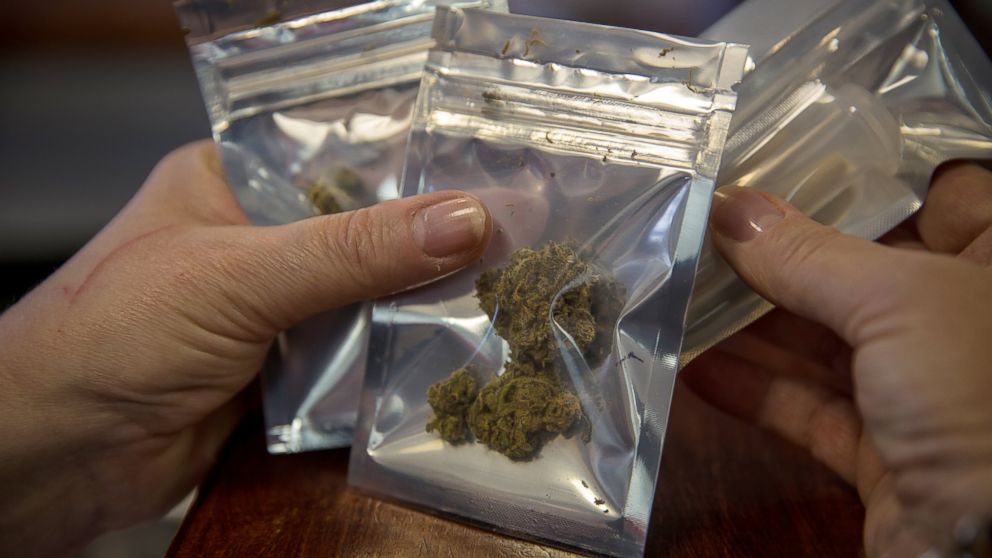
Medical marijuana is dispensed at the Takoma Wellness Center, Oct. 10, 2014, in Takoma Park, DC.

 PHOTO: Medical marijuana is dispensed at the Takoma Wellness Center, Oct. 10, 2014, in Takoma Park, DC.

Evelyn Hockstein/The Washington Post/Getty Images

ABC Health News  - Mar 18, 2015, 1:54 PM ET  -  By LIZ NEPORENT – Cross-Posted at Just One More Pet (JOMP)  and True Health Is True Wealth (THITW)

A new bill introduced in the Nevada state legislature earlier this week would allow owners to give their ailing pets medical marijuana. Many owners across the country said it’s about time, and that “pot for pets” should be legal everywhere.

Becky Flowers, a California ranch owner, said she gave her mare Phoenix regular doses of medical marijuana for several years to help ease the pain of a degenerative joint condition. The horse could barely walk due to extreme swelling in her front legs that traditional and herbal medications didn’t seem to help, Flowers said.

“She would lay there for days and she wouldn’t eat or drink,” Flowers told ABC News.

Flowers said she considered having the animal euthanized but decided as a last ditch effort to give her some of marijuana legally prescribed to her husband who is a paraplegic. In less than an hour, the horse was up and moving, Flowers said.  

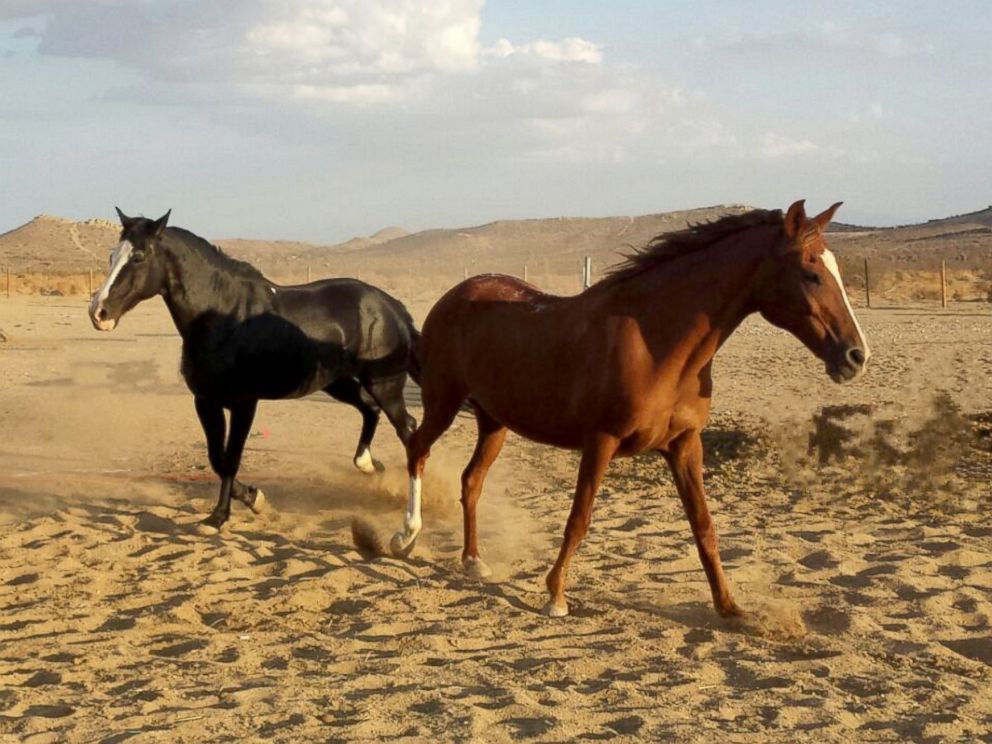
PHOTO: Becky Flowers gave her horse Phoenix, right, medical marijuana to help ease the pain of a chronic joint condition.

PHOTO: Becky Flowers gave her horse Phoenix, right, medical marijuana to help ease the pain of a chronic joint condition.

Flowers began giving Phoenix about a tablespoon of medical marijuana in oil every day, she said, noting that the horse lived largely pain-free for two more years before dying in her late twenties. Since then, Flowers has given marijuana to some of her other horses and has recommended it to other horse owners as well.

Medical marijuana does show some promise for easing the pain and suffering in animals, but veterinarians and owners should proceed with caution, said Dr. Robert Silver, president of the veterinary botanical medical association.

“There needs to be a lot more research and education taking place before we introduce this to pets,” Silver said, who is a veterinarian in Colorado, a state where both medical and recreational marijuana are legal for people.

medical marijuana dogStudies show that dogs in particular react differently than humans to THC, one of marijuana’s active ingredients, Silver said. Because they have a high concentration of THC receptors in the back of their brains, they are susceptible to severe neurologic effects and toxic reactions, he added. States where medical or recreational use is legal have seen an increase in canine emergency room admissions associated with the drug, Silver said.

The American Veterinary Medical Association does not have an official stance on the use of medical marijuana with pets but suggests that vets make treatment decisions based on sound clinical judgment that stay in compliance with the law. They note that even in states where medical marijuana is legal, it is still a Class I narcotic under federal law which means vets are not legally allowed to prescribe it to their patients.

If passed, the Nevada law would allow animal owners to get marijuana for their pet if a veterinarian certifies the animal has an illness that might be helped by the drug. The proposal is in its earliest stages and faces numerous legislative hurdles before it could become law. It’s part of a larger bill that would refine the state’s existing medical marijuana law by clarifying penalties for drivers under the influence and allowing the resale of marijuana dispensaries.

**My question is how about Hemp CBD Oil, verses THC oils or marijuana. CBD Hemp Oil (HCHO) is obtained from select strains of CBD rich hemp grown legally worldwide. But always consult your veterinarian. 

Interestingly, cannabis smoking is associated with a 45% reduced risk of bladder cancer in humans and a 47-62% reduced rate of head and neck cancer, regardless of whether or not they had been infected with HPV.  And using hemp oils increases the survival success rate of treatments like chemotherapy and radiation by 25%. JOMP~

Veterinarian Administers Medical Marijuana To Dogs, Says It Works Wonders

More Dogs (and Cats) Getting High, Sick and Fat In States Where Marijuana Is Legal

Canada marijuana growers use wild bears to guard pot

Medical marijuana and the positive effects of hemp oil are a great breakthrough, help and blessing for many… humans and animals with a large variety of illnesses, including Cancer.  But widespread legal recreational marijuana use, perhaps not so much…

George Soros’ Latest Crusade: Legalizing Marijuana in the U.S.

THE HARMFUL EFFECTS OF MARIJUANA

Saturday, November 23, 2013

Keeping Pets Safe for Thanksgiving: The “Not So Safe” or No-No Pet Food List

pet-friendly-home Just One More Pet (JOMP) – Cross-Posted at AskMarion: The following foods are not safe for dogs, cats, potbellied pigs, or guinea pigs. Never give the following foods or beverages to your pets:

  • *Alcohol of any kind (a no-no for all animals)
  • *Anything with Caffeine (a no-no for all animals)
  • Avocados – especially for birds and cats
  • Baby food if it contains onion powder
  • Bones from Ham, Chicken, Turkey or Cooked Bones that can splinter
  • * (Raw) Bread or Yeast Dough
  • Candied Yams
  • Casseroles (unless you absolutely know that none of the no-no foods are in them)
  • *Chocolate and Cocoa (this includes things like brownies and chocolate chip cookies) and dark chocolate is the worst
  • Raw cookie dough can also kill dogs and small children.
  • *Grapes or raisins
  • Jell-O Molds
  • (Raw) Liver
  • *Macadamia Nuts (this includes things like cookies and pies) and go easy on nuts in general (nuts in general are not great for dogs, but walnuts, macadamia nuts, and pecans are particularly harmful and add the additional possibilities of health problems caused by fungus and mold. Peanuts and peanut butter are not on the no-no list but could also cause problems because of mold issues). Nuts are rich in monounsaturated fats, which are healthy for humans, but too much fat of any kind increases the risk of pancreatitis in dogs.
  • Milk (and American Cheese) can be a problem for some dogs. They can be lactose intolerant like some people.
  • Mushrooms, particularly wild mushrooms.
  • Nutmeg
  • *Onions, including onion powder (garlic should be fed in moderation)
  • Pecans, including Pecan Pie (nuts in general are not great for dogs, but walnuts, macadamia nuts, and pecans are particularly harmful and add the additional possibilities of health problems caused by fungus and mold.  Peanuts and peanut butter are not on the no-no list but could also cause problems because of mold issues).
  • Potato Skins and Green Potatoes (potatoes in general are not digestible by dogs).
  • Pork Products because of the nitrates
  • Stuffing (it usually contains onions, which are very harmful to pets)
  • Large amounts of Grains (often a main ingredient in cheap commercial pet foods)
  • *Raisins and grapes
  • Raw eggs (raw egg whites) – (According to the ASPCA, raw egg whites contain avidin, which damages a dog’s metabolism and creates a biotin deficiency, so they recommend owners should discard the white if feeding a dog raw eggs.  Others disagree.)
  • Tomatoes (plant and fruit) – All parts of the plant except the tomato itself are poisonous to humans
  • Vitamin A in large amounts causes toxicity
  • Walnuts (nuts in general are not great for dogs, but walnuts, macadamia nuts, and pecans are particularly harmful and add the additional possibilities of health problems caused by fungus and mold. Peanuts and peanut butter are not on the no-no list but could also cause problems, for humans as well, because of mold issues).
  • *Xylitol and anything with it in it.

Depending on the amount consumed and the size, breed, species and age of the animal many of the items above can cause death, but they definitely can and usually cause discomfort for the pet/animal, more and expensive vet bills for you, butt scooting, and stress in your pets and for you. Distention of the abdomen, vomiting, muscle tremors, paralysis bloody stool, depression, stress, jaundice, disorientation, diarrhea, lethargy, lack of coordination, difficulty breathing, tremors, coma, abnormal fluid accumulation, drooling, restlessness, anemia and seizures are among the symptoms and conditions that can be caused by the aforementioned foods.

The range of diseases and conditions caused or intensified by the No-No Foods for pets include: coma, heart arrhythmia and cardiac arrest, paralysis, pancreatitis, inflammation throughout the body, seizures and tremors, gastric-dilitation volvulus (twisted stomach) and death.

*Causing the most severe health problems and the most incidents of death.

Tobacco products and many plants and herbs are also bad for pets.  Poinsettias, tomato plants and the Sago Palm are among the common plants that are toxic to dogs/pets. 

How to keep your dog safe during Thanksgiving holidays

“Holidays Are Great and Fun To Share With Our Pets, As Long As We Avoid the No-No Foods”

Common Foods That Are Harmful Or Even Fatal to Dogs

Pets and Toxic Plants

More Dogs (and Cats) Getting High, Sick and Fat In States Where Marijuana Is Legal – Drugs, unless prescribed or are specifically made and approved for animals, are a No-No!

Cooking real food or feeding a raw diet is generally the best option for most pets, but pet parents need to know the general restrictions as well as those for their particular pet plus make sure that their furkids are getting all the nutrients they need and avoiding too many fats, sugars and of course the no-no food list!  Commercial pet food, including kibble, is a rather new creation along with pre-packaged, processed and restaurant-style junk food for humans, including baby food and baby formula, filled with questionable additives and unrecognizable ingredients; none of which are proving to be the best choices, just read the labels.  All were invented for the consumers’ convenience and the profit for their manufacturers not good health and nutrition. The more fresh and freshly prepared food from good sources, as well as mother’s milk over formula for babies, the healthier we, our children and our pets are and will be!

When Raw Food is NOT the Right Food for Your Pet

Every species, breed or type of animal has its own requirements and no-no’s.  As a pet parent or the parent of a learning pet parent, it is your job to find out what those requirements and no-no’s are and meet those needs.  A pet is a living creature that adds joy to our lives.  We are all God’s creatures and any animal is a gift that has been given to you to cherish and take care of properly!!

Monday, November 11, 2013

The Pets Most Likely to Suffer from Vaccine Adverse Reactions

Story at-a-glance

  • In the second half of a two-part interview, Dr. Becker talks with Dr. Ronald Schultz of the Rabies Challenge Fund about a variety of vaccine-related topics, including the mysterious rattlesnake vaccine, how it actually works, and for what snake in particular.
  • Dr. Becker and Dr. Schultz also discuss the Lyme disease vaccine, and under what circumstances it can prove beneficial, as well as the challenges of diagnosing leptospirosis and improvements in that vaccine in recent years.
  • Dr. Schultz also offers an excellent explanation of the various bordetella vaccines, what dogs really need them and how often, as well as what form of the vaccine he prefers. He and Dr. Becker also discuss the pros and cons of the canine influenza vaccine.
  • Dr. Becker and Dr. Schultz agree that veterinarians should discuss vaccines with pet owners before they vaccinate. And Dr. Schultz offers his view on which pets are most likely to develop an adverse reaction to vaccines.
  • Lastly, Dr. Becker and Dr. Schultz discuss the important work the Rabies Challenge Fund is doing to determine the duration of immunity conveyed by rabies vaccines. The goal is to extend the length of time between rabies vaccines to five years, then, if possible to seven years. The project is in year six of a seven-year study and depends on grassroots funding to conduct the necessary clinical trials. This week only, Mercola Healthy Pets will match every $1 donated by readers with a $2 donation, up to $30,000, to help the Rabies Challenge Fund complete its invaluable work toward reducing the number of vaccines our pets must receive during their lifetime.

Video: Dr. Becker Interviews Dr. Schultz About Vaccines (Part 2) 

Dog and Cat Vaccines are Not Harmless Preventive Medicine

By Dr. Becker – Cross-Posted at Just One More Pet

I’m back with Dr. Ron Schultz for the second half of our vaccine discussion.  Dr. Schultz heads up the Department of Pathobiological Sciences at the University of Wisconsin-Madison School of Veterinary Medicine. He’s joining me today on behalf of an important project he’s been working on for several years – the Rabies Challenge Fund. The purpose of the fund is to determine the duration of immunity conveyed by rabies vaccines, with the goal of extending the required interval for rabies boosters to five and then to seven years.

If you missed the first part of our discussion on Wednesday, I encourage you to watch that video as well. Dr. Schultz talks about core and non-core vaccines, and the benefits of the feline leukemia virus (FeLV) vaccine and why he believes every kitten should receive it (I must politely disagree on this topic). We also discuss vaccines Dr. Schultz does not recommend, why the whole topic of titering is so confusing, and whether or not he believes cats should be titer tested.

Continuing our discussion of vaccines today, the first thing I asked Dr. Schultz to talk about – because I don’t know much about it myself and get many questions about it – is the rattlesnake vaccine.

How Does the Rattlesnake Vaccine Work, and Is It Effective?

Dr. Schultz explained that the rattlesnake vaccine is actually an aid to prevent death in the event an animal is bitten by a specific type of rattlesnake. He says it does have value in that it can keep an animal bitten by a Western diamondback rattlesnake alive. But he cautions that when the vaccine is used, it’s important for pet owners to know their dog must still be treated for snake bite for two reasons. One, the snake may not have been a Western diamondback rattlesnake, in which case the vaccine offers no protection. Two, the vaccine in most cases will not prevent the venom from causing disease. What the vaccine does is buy time to get the animal treated, and it seems to work well in that regard.

I asked Dr. Schultz if he has concerns about the adjuvant used in the rattlesnake vaccine causing a reaction. He replied that unfortunately, nobody knows very much about the vaccine and in his opinion, it hasn’t been adequately tested. Most of the tests were done with rabbits, mice and other species, but not dogs. It should be tested in dogs. There’s just not a lot of research on this particular vaccine.

Dr. Schultz’s View on Lyme Disease Vaccines

Next I asked Dr. Schultz to discuss his thoughts on Lyme disease vaccines. He explained that there are several of them. There are whole killed organism vaccines of Borrelia burgdorferi, which is the bacteria that causes Lyme disease. And there’s a recombinant vaccine that contains just the important outer surface protein A component.

Dr. Schultz’s recommendation regarding Lyme vaccines depends on where the animal lives. For example, in the Madison area of Wisconsin, there’s currently about a four percent infection rate. But if you travel just 70 miles to La Crosse, there’s about a 70 percent infection rate. And in parts of Long Island, New York, there is a 90 percent infection rate.

So depending on where you live or plan to visit, your dog may have a very high risk of being infected with Borrelia burgdorferi. In high risk cases, Dr. Schultz recommends not only a tick preventive, but also the vaccine. Most of the Lyme disease vaccines are around 60 to 75 percent effective at preventing the organism from causing disease.

I asked Dr. Schultz if he has concerns about reactions from Lyme disease vaccines, and he replied that yes, there are some potential concerns. The Lyme vaccines are bacterial vaccines, and bacterial vaccines always carry a greater risk of adverse reactions, especially reactions of an immediate nature. With both leptospirosis bacterin vaccines and Lyme bacterin vaccines, the nature of the bacteria can cause adverse reactions in some animals. According to Dr. Schultz, these vaccines have the ability to stimulate the IgE antibody in animals, which is responsible for immediate or type 1 hypersensitivity reactions. So bacterins are always more likely to cause an adverse reaction than a live viral vaccine, for example.

If he were to recommend a Lyme vaccine, Dr. Schultz likes the outer surface protein A product better than the whole killed product because the former takes some of the potentially reactogenic antigens out of the formula. But even with that, the vaccine can still cause adverse reactions in some animals.

What About Leptospirosis? Is It a Bigger Threat Today Than in Years Past?

Leptospirosis (and its vaccines) is another confusing subject. There are veterinarians in the Chicago area who are promoting lepto as some kind of new, trendy infectious disease. But lepto has been around forever. Dr. Schultz agrees – there’s nothing new about leptospirosis. And he believes it’s probably no more common today than it was 40 or 50 years ago, despite the hype, which is driven in part by the really poor diagnostics used to detect the disease.

Fortunately, according to Dr. Schultz, there are better detection techniques on the horizon. The current gold standard, he says, “… is about as poor a test as you’ll ever find.” It gives false readings – false positives. Dr. Schultz says he’s seen a high number of supposed lepto cases that are NOT lepto cases thanks to poor diagnostics. Poor diagnostics have added to the general confusion surrounding lepto, and are partly why veterinarians are recommending mass vaccination against the disease.

Dr. Schultz restated that in his view, lepto is no more prevalent today than it was 40 years ago. However, the vaccine has improved tremendously in recent years, because it now contains the 4 serovars that cause lepto in the U.S. In the past, all lepto vaccines contained only 2 serovars. With the old 2-serovar vaccines, Dr. Schultz says there were as many vaccinated dogs with lepto as there were non-vaccinated dogs.

He believes today, the lepto vaccine is probably 60 to 80 percent effective in preventing disease. I asked him if the animal can still transmit or shed the bacteria. He replied there is that potential, but even the shedding is reduced with the 4-serovar vaccine.

Of course, despite the improved effectiveness of the lepto vaccine, there are still concerns about adverse reactions with the first dose, or subsequent revaccinations. Dr. Schultz explains this is another of the bacterins that is more likely to cause an adverse reaction simply as a result of the nature of the organism.

Adverse Reactions to Vaccines Can be Immediate, or They Can Develop Weeks, Months or Even Years Post-Vaccination

So we’ve established that the majority of adverse events occur with bacterin-type vaccines. These vaccines can cause all types of hypersensitivity reactions in some animals. Type 1 adverse reactions typically occur immediately after vaccination and are obviously directly linked to the vaccine.

But as Dr. Schultz goes on to explain, when we have a reaction like the development of autoimmune hemolytic anemia or another autoimmune disease in a genetically predisposed animal, it usually occurs weeks, months or even years after vaccination. Often the offending vaccine in those cases is a live viral vaccine, and it isn’t blamed for causing the disease because there’s a span of time between vaccination and development of the autoimmune disorder.

Many veterinarians will say, in response to the suggestion that a vaccine caused an autoimmune disorder, something like, “What do you mean? There’s no correlation. It was last year when the dog received that vaccine.” And even worse, both Dr. Schultz and I have seen veterinarians tell pet owners their animal’s illness couldn’t be a vaccine reaction even when the two events happen within days of each other.

Dr. Schultz’s Bordetella Vaccine Recommendation

Next I asked Dr. Schultz to talk to us about bordetella vaccines. He explained that the vaccine is available now in a variety of forms. There’s an oral vaccine, which is a live, attenuated bordetella organism. There’s the intranasal form, which is also the live organism. And there’s the injectable form, which is a killed product. Dr. Schultz says he has been able to clearly demonstrate that the live product is the most effective, whether oral or intranasal.

But one of the problems with bordetella is that it is always accompanied by other agents in causing canine infectious respiratory disease complex, otherwise known as kennel cough. There are many infectious agents involved, but the most important one from a bacterial standpoint is bordetella. From a viral standpoint, an impressive number of infectious agents can play a role.

I personally can’t see a reason to use injectable bordetella when there are other safer, non-adjuvanted and attenuated vaccines available. Dr. Schultz points out that one of the reasons the injectable is popular is that it can be used with dogs that won’t cooperate with intranasal or oral administration of the vaccine. He does a lot of work with shelters, and there are many difficult dogs in that population that must receive the vaccine by injection. Some dogs can be muzzled and given the oral vaccine, but often it’s too dangerous for shelter staff to even try to muzzle certain dogs.

In my opinion, the bordetella vaccine should only be given when a dog must be boarded. If you don’t board your dog, or if you don’t plan to have your dog in contact with other dogs (such as at shows and training classes), then my recommendation is to opt out.

However, some kennels require dogs to receive a twice-yearly schedule of bordetella revaccinations. Dr. Schultz believes if you’re taking your pet to a boarding facility that requires bordetella vaccines every six months, you should change to another facility, because the one you’re using has a ventilation or hygiene problem and not an infectious disease problem. “Don’t allow anyone to tell you that you need to get bordetella vaccine every six months. If they do, don’t go there anymore,” says Dr. Schultz.

The Canine Influenza Vaccine – Is It Really Necessary?

I also asked Dr. Schultz about the canine influenza vaccine, which is another vaccine commonly required at boarding facilities and similar businesses. He answered that he’s not sure the vaccine should be required, because canine influenza isn’t a casually transmitted virus. It’s not something the average well cared-for dog will pick up at the local dog park.

Dr. Schultz does caution, however, that if the canine influenza vaccine is to be given, it can’t be administered at the last minute. Dogs that have never received the vaccine need at least three weeks to develop immunity after being vaccinated. And two doses must be given, with a minimum of two weeks separating them. If a dog is receiving annual boosters of the vaccine, it won’t take three weeks for immunity to develop after revaccination.
Dr. Schultz explains that bordetella (as well as other bacterial diseases such as streptococcal infections) and canine influenza together can create severe disease.

Dr. Schultz mentioned that many kennels do require the canine influenza vaccine, so I asked him if that is out of concern about spreading disease, or concern about covering their bases from a liability standpoint. Dr. Schultz thinks much of it comes from a concern that if there were to be an outbreak of canine influenza, the facilities would be found at fault because they didn’t require the vaccine. Fortunately, to date there have only been a few outbreaks of canine influenza in shelters and kennels.

I agree. I feel a lot of those requirements are simply a way to bounce liability away from the business owner. And it’s up to pet owners to determine the true motivation behind the requirement if they choose to board or have their dog groomed at a facility that demands certain vaccines. And as Dr. Schultz points out, if any of the vaccines required by these businesses cause an adverse reaction in a pet, the costs (both financial and emotional) associated with the adverse event are the owner’s responsibility even though the vaccines were required by a third party.

Are Pet Owners Informed About the Potential for Adverse Vaccine Reactions?

As it stands right now, veterinarians must obtain informed consent from a pet owner when we elect not to vaccinate an animal. I asked Dr. Schultz if he believes we should also obtain informed consent TO vaccinate an animal. He replied that he definitely agrees we should. In my opinion, many in the traditional veterinary community are casual vaccinators. They aren’t informing their clients of all the potential ramifications of administering vaccines.

Dr. Schultz agrees that pet owners need to be aware, even though the number of adverse reactions is relatively small. And something he wants to re-emphasize – something that people don’t realize or think about – is that adverse reactions are genetically controlled. When Dr. Schultz talks to breeders, he tells them that if they see adverse vaccine reactions in puppies from a specific combination of mother and father dogs, they should not mate those two dogs again, because the incidence of adverse reactions will increase with each litter and potentially with litters of those litters, and so on. By continuing to mate those two dogs to each other, they will perpetuate the genetic predisposition to adverse vaccine reactions.

Dr. Schultz says, as an example, we might see allergic neuritis or paralysis develop in about 1 in 10,000 vaccinates, yet in a litter of five puppies, three of the five may develop the condition. One of them dies, and two are paralyzed. So the incidence of adverse reactions is not rare in that litter of five, because genetics plays a key role in causing the vaccine adverse reaction.

What Pets Are Most Likely to Have an Adverse Reaction to Vaccines?

There are genetic predispositions among breeds of dogs. As a Boston Terrier owner, I have concerns not just about immediate adverse reactions, but about mast cell tumors, for example. No one is studying the correlation, but I personally believe there’s a strong correlation between vaccinations and mast cell tumors.

Dr. Schultz agrees and thinks that in dogs, we should look at mast cell tumors, histiocytomas and other similar responses at vaccine injection sites. We are aware of feline injection-site sarcomas, but really, any vaccine in a dog or cat that stimulates a proliferative response in cells should be looked at. Particular individuals with a genetic predisposition turn those cells neoplastic, and the animal doesn’t have the suppressor factors necessary to control the disease (tumor) at the cellular level. It’s going to turn into a tumor.

Recognition among veterinarians has been slow in coming, but it’s coming. As Dr. Schultz points out, until fairly recently the veterinary community never considered that a vaccine could cause a lethal tumor in a young, healthy animal. He says it was a great awakening in the mid-1980s for the veterinary profession to realize the potential for adverse events following vaccination, specifically at the time, injection-site sarcomas in cats. But Dr. Schultz believes it’s important to keep in mind that these events are rare, and many veterinarians have never seen one. Other practices see six or eight a year. The frequency isn’t based on the number of cats coming into a particular practice. Which brings us back to the matter of genetic predisposition to adverse events from vaccines.

Other factors that can play a role include an animal’s nutritional status, environmental status, the type of vaccine, the stress the animal feels – all those things and more play into an animal’s immunologic response.

In terms of genetics, one example Dr. Schultz points out is the small breed dog. He says it’s not every small breed, but there are small breeds out there that are genetically predisposed to react to many vaccines. Dr. Schultz says this is a critically important point when it comes to making decisions about giving vaccinations.

If you have a small breed dog that has proven to be hypersensitive to vaccines – or is related to other hypersensitive dogs -- and that dog spends most of his time in the house on someone’s lap, what are the chances he’ll be exposed to leptospirosis? The chances are slim to none, so why would you even think about injecting that dog with a lepto vaccine? Dr. Schultz says vaccine manufacturers don’t want those animals vaccinated due to the risk of adverse reactions.

In terms of recognizing the potential dangers of certain vaccines for certain pets, breed-specific organizations seem to, and of course individual pet owners who’ve lived through horrific experiences do as well. But there are still a large number of veterinarians who seem unwilling to put the puzzle pieces together to protect potentially vulnerable patients.

Dr. Schultz replied that he’s still shocked by the number of practices that are still giving core vaccines annually. As he puts it, “If ever we could get away from this addiction to vaccination just for the sake of vaccination …”.

Dr. Schultz and the Rabies Challenge Fund

The last topic I want to discuss with Dr. Schultz today is one that is close to my heart, the Rabies Challenge Fund. I asked Dr. Schultz to describe the project and its purpose for people who aren’t familiar with it.

He responded that what he and his colleagues Dr. Jean Dodds and Kris Christine have been doing for over five years now is trying to answer the question, can be we get protection from rabies vaccines, and how long can that protection last? Right now there are rabies vaccines that carry either a 1-year or 3-year license. Many of those vaccines are actually the same product – they were just licensed differently. Dr. Schultz is looking beyond the 3-year license by conducting very difficult, very expensive studies to determine how long immunity from a rabies vaccine truly lasts.

This is the way a rabies vaccine is licensed: The USDA requires that a vaccinated group of animals be challenged with the rabies virus at three or five or seven years after the vaccine is given. There must also be a control group of dogs that are unvaccinated. When challenged, a certain percentage of that group must develop rabies to insure the challenge is viable. Of the vaccinated group, 88 percent or more must be protected in order for the USDA to license the vaccine for the number of years protection is provided.

At this time, the Rabies Challenge Fund is at five years with one of the vaccines they are testing, and at three years with the other. They are currently trying to determine whether or not the vaccines will be effective at five years. If those tests show that there should still be protection at five years post-vaccination, the next step will be to do the challenge itself.

Dr. Schultz has two years left on one of the vaccine products and four years left on the other product to determine length of immunity. The work he and his colleagues are doing with the rabies challenge is funded by dog owners. Dr. Schultz says no one is really interested in the work other than caring dog owners, which also includes a number of breed-specific clubs and organizations – basically people who want to give their dogs as few vaccines as necessary – law-abiding citizens who want their pets protected from disease, but don’t want to risk their pet’s health with unnecessary vaccinations.

How You Can Help

The Rabies Challenge Fund study is the first of its kind, and it takes a lot of money to do the work. It’s seven years of research, data collection, and publishing the results. That’s why Mercola Healthy Pets is partnering with the Rabies Challenge Fund to help raise the remainder of the money needed to not only complete the study, but to insure the research is published in a manner that will benefit the most pets.

And of course research is still ongoing. They are in year six, and have year seven still to go. The project depends on grassroots gifts for funding the costs of conducting the requisite vaccine trials. Contributions to date have come mostly from kennel clubs and private individuals. None of the money collected by the Rabies Challenge Fund goes to Dr. Schultz, Dr. Dodds, Kris Christine, or others working on their behalf. Salaries and other overhead costs are not involved, with the exception of expenses for care and testing of the study animals.

I want to extend my thanks to Dr. Schultz for talking with us today and for his work with the Rabies Challenge Fund. Extending the length of time between rabies and other vaccinations, thereby reducing the total number of vaccines animals receive during their lifetime, will be a huge benefit to the health and well being of pets.

Mercola Healthy Pets is proud to partner with the Rabies Challenge Fund to raise money to help improve the lives of animals. This week, for every $1 donated to the Rabies Challenge Fund by a Mercola Healthy Pets reader, we will donate $2, up to $30,000. I hope you’ll join us in helping RabiesChallengeFund.org fund the remaining research needed to complete their seven-year study.

Related:

Do Vaccinations Affect the Health of our Pets?

New Parasite Prevalence Maps Help Pet Owners Prepare

The dangers of vaccines are surfacing for children, people in general, and now pets: New Organization VaxTruth Fights Vaccine Damages
Thursday, August 22, 2013

Life in a Dog Pack: Old Age

I had to share this… It touched my heart and required several tissues for me to read through to the end!  Marion~

by Dave Schuler on August 16, 2013  -  The Glittering Eye  -  Cross-Posted at Just More More Pet

When you live in a dog pack, eventually, if you are very lucky, you will experience life with an old dog. Tally, at 15 years four months, is the oldest dog it has been our good fortune to share our lives with.

Living with a geriatric dog means that every day is a new adventure. Not only are there the regular routine activities of meals, potty breaks, and medications, we try to remain sensitive to Tally’s limitations, adapting to them as new challenges arise, so that we can ensure that she is as happy and comfortable as we can keep her.

We’ve placed cheap runners and area rugs strategically so that Tally can move about without being forced to navigate bare wood floors. As she’s gotten weaker over the years her ability to manage bare floors has diminished and we’ve changed to take that into account.

Tally no longer sleeps with us. She gave up climbing stairs several years ago and since then we’ve left her on her own recognizance on the first floor. Generally, she’s just fine there—she’s always preferred her own company—but, occasionally, we’ll hear a yelp and rush downstairs to find she’s trapped herself beneath a chair, slipped off the rugs we’ve placed for her convenience and safety, or walked into a corner and is too befuddled to make her way out without assistance.

On rare occasions she’s had nighttime “accidents”. That’s just the cost of doing business. She’s always very embarrassed about it.

Walks have become increasingly rare. She wants to walk and sometimes demands a walk but we understand that she really doesn’t have as much ability to handle a long walk as she thinks she does. I’m not prepared to carry a tired fifty pound dog home in my arms so we limit her walks to three or four blocks, sometimes just a block depending on how she feels that particular day.

She wants to play ball but, sadly, her vision is failing so, if you throw the ball more than a few feet away from her, she won’t be able to find it. My wife is better at playing ball with Tally these days than I am.

Every night we have the same ritual. I’ll let her out the back door for her final nightly elimination and she won’t come back in until I’ve chased her one slow circumnavigation around our backyard, then helped her up the two stairs into the house. The joy in her eyes during these low speed chases is a delight to see. I’ve taken to calling her “the White Bronco”.

Last night we had something of a scare. When she rose from a nap she began a series of odd, hopping bounds. She wouldn’t stop. It was quite alarming.

We moved the other dogs elsewhere in the house and let her outside. She continued the hopping. My wife thought it was some sort of neurological malfunction. I thought she’d awoken with a stitch in her leg and, like an athlete with a leg cramp, was trying to run it out. She was unable to put weight on her left foreleg but wasn’t strong enough to maintain her balance and stand in one place. Hence the odd, forward-moving, hopping bound.

After a while she stopped and, although she was still hobbling a bit, she was behaving much more normally. I gave her an extra half Rimadyl before we went to sleep and this morning she’s shown no signs of a return to her previous condition.

It was, however, a reminder that Tally won’t be with us a great deal longer and we must savor every moment we have with her. We are resolved that Tally will enjoy her life as long as she lives. So far, so good.

The other dogs show Tally considerable deference, each in their own way. Will is extremely fond of her. Nola gives her a wide berth (although she’s not above stealing some of Tally’s food when she has the chance—stolen food always tastes better). Smidge, with typical Australian Shepherd temperament, is worried about her. She herds her, blocks her from moving into spaces she thinks are too dangerous for her (Smidge and Tally have different views on this subject), and sleeps curled up with her. It’s like having her own personal sheep.

I don’t know how our pack dynamics will change when Tally is no longer with us. It’s not something I look forward to. Although she’s always been highly independent, she and Jenny made us into a pack. Tally taught us all to howl.

Related: 

Pet Age 

The Nutrient Your Pet Needs More of As They Age: Protein 

World’s Oldest Dog Dies At Age 26….Requiescat in pace 

The Lottie June Show – WORLD’S OLDEST CHIHUAHUA 

How Long Will Your Dog Be with You? It Depends Heavily on This… 

Part 2 of Dr. Becker’s Interview with Bestselling Author Ted Kerasote: The Seven Factors that Determine How Long Your Dog Will Live 

Pet owners turning to non-traditional 

A Natural Herb That Fights Cancer, or Chemotherapy for Your Sick Pet… Which Would You Choose?

‘Until One Has Loved an Animal, Part of Their Sour Remains Unawakened’ 

Adopt a Senior Pet… 

WCBM’s Les Kinsolving’s beautiful tribute to Brendan, Griffen, and all dogs and dog owners

Wednesday, July 17, 2013

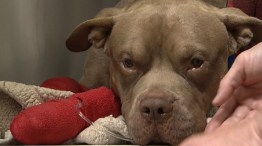
Surgeon who typically operates on humans, was called in after the pit bull was strapped with fireworks and lit ablaze

NBCLA/JOMP: A 2-year-old pit bull pup who may have been the victim of a cruel Fourth of July prank was rescued July 5th, but it’s just the start of what likely will be a long recovery for the badly burned dog.  The young pit bull was found July 5 in the Van Nuys, Calif., area and brought to the East Valley Animal Shelter.

While rescuers are unsure exactly what happened to the dog they named Indy, they suspect he may have been hurt by fireworks the day before.

Shelter Transport Animal Rescue Team (S.T.A.R.T.) took the dog into their care Thursday. The group, which describes its purpose as removing animals from high-kill shelters in Los Angeles, is offering a $1,000 reward for the arrest and conviction of whoever injured Indy.

"We named him Indy because we want Independence Day to mark his freedom from those who hurt him," according to a video posted to S.T.A.R.T.’s Facebook page.

In the video, Indy takes ginger steps around his cage. He is suffering from third-degree burns over half his body, including on his stomach, legs and paws.

Doctor Aids Pup Hurt by Fireworks

Dr. Daniel Slaton, a well-known surgeon who typically operates on humans, was called in after the pit bull was apparently strapped with fireworks and lit ablaze.  He believes based on the pattern and location of the burns, the dog was strapped with fireworks on July 4.

“Fire from the fireworks are going down his legs, and as it was being lit, he was walking and burning the bottoms of his feet,” said Slaton, lead surgeon at the Westlake Village Animal Hospital, where Indy has undergone at least 2 surgeries so far.

Called "sweet and gentle" by rescuers, the 2 to 3-year-old pup (pictured above) is being treated by a burn specialist at the private veterinarian hospital, where he’ll have to stay at least another month.

His next surgery is scheduled for Friday morning.

Rescuers are asking for the public’s help to fund Indy’s extensive recovery.

Anyone interested in donating is asked to contact donations@startrescue.org, or mail a check to:

S.T.A.R.T.
PO Box 4792
Valley Village, CA 91617

The organization notes that donations should be sent as "Personal and Gift so no charges are taken out, and kindly write INDY in the memo."

See video HERE

Related: 

'Rocket' the dog lucky to be alive after thugs attached an explosive to its neck and blew it up 

Justice for Dog Whose Face Was Blown Off By Fireworks!

Friday, June 21, 2013

Sheep-eating plant to bloom for first time in 15 years

The national botanic garden in Wales has been cultivating a horrid, sheep-eating plant for 11 years, and now it's finally about to bloom.

Newsmax/Cross-Posted at Just One More Pet: It is not exactly Audrey II from the Broadway play "Little Shop of Horrors," but English horticulturalists say for the first time that a Chilean "sheep-eating" plant is ready to bloom in the Royal Horticultural Society garden greenhouse in Wisley, south of London.

The gardening charity told the BBC that very few specimens of the Puya chilensis were known to have flowered in the United Kingdom. Puya chilensis are known for using their sharp spines to snare and trap sheep and other small animals, which slowly starve to death.

The animals then decay at the base of the plant, acting as fertilizer. The horticultural society officials told the BBC it opted for liquid fertilizer to feed its Puy chilensis in the greenhouse.

The National Botanic Garden of Wales waited 11 years for its plant to bloom, though clumps bloom every April in the open on Tresco in the Isles of Scilly.

"I’m really pleased that we’ve finally coaxed our Puya chilensis into flower,"  horticulturalist Cara Smith told the UK's Metro.

"We keep it well fed with liquid fertilizer as feeding it on its natural diet might prove a bit problematic."

Smith told Metro just to make sure the plant behaved, horticulturalists are raising it in a remote portion of the greenhouse so it can remain out of reach of children. The plant has bright, greeny-yellow flowers on tall spikes above the razor-sharp spines.

"It’s well worth a visit but parents coming along with small children don’t need to worry about the plant devouring their little ones," Smith said in a news release by the horticultural society.

The society said the "blossoms are gigantic with each individual bloom measuring around five centimeters across and containing enough nectar for a person to drink. The plant’s taste for sheep has also proved its undoing in its native habitat where shepherds will go in search of the plants and set fire to them to protect their flocks."

Puy chiliensis can be commonly found in the arid coastal mountain region of central and north Chile, according to The Lost World Nursery. The plants are drought tolerant and can grow as tall as 10 feet, according the Lost World Nursery.

Wednesday, April 17, 2013

No-No Foods for Pets

dalmation, parrot and other petsThe “Not So Safe” or No-No Pet Food List

As more and more seniors, children and special needs patients have pets and working animals as well as the rest of us, it is important to know which foods are unsafe to share with them.  Real food is the preferable choice to commercial pet food, but there are some foods that animals can’t eat!

JustOneMorePet: The following foods are not safe for dogs, cats, potbellied pigs, or guinea pigs. Never give the following foods or beverages to your pets:

  • *Alcohol of any kind (a no-no for all animals)
  • *Anything with Caffeine (a no-no for all animals)
  • Avocados – especially for birds and cats
  • Baby food if it contains onion powder
  • Bones from Ham, Chicken, Turkey or Cooked Bones that can splinter
  • * (Raw) Bread or Yeast Dough
  • Candied Yams
  • Casseroles (unless you absolutely know that none of the no-no foods are in them)
  • *Chocolate and Cocoa (this includes things like brownies and chocolate chip cookies) and dark chocolate is the worst
  • Raw cookie dough can also kill dogs and small children.
  • *Grapes or raisins
  • Jell-O Molds
  • (Raw) Liver
  • *Macadamia Nuts (this includes things like cookies and pies) and go easy on nuts in general (nuts in general are not great for dogs, but walnuts, macadamia nuts, and pecans are particularly harmful and add the additional possibilities of health problems caused by fungus and mold. Peanuts and peanut butter are not on the no-no list but could also cause problems because of mold issues).
  • Milk (and American Cheese) can be a problem for some dogs. They can be lactose intolerant like some people.
  • Mushrooms, particularly wild mushrooms.
  • Nutmeg
  • *Onions, including onion powder (garlic should be fed in moderation)
  • Pecans, including Pecan Pie (nuts in general are not great for dogs, but walnuts, macadamia nuts, and pecans are particularly harmful and add the additional possibilities of health problems caused by fungus and mold.  Peanuts and peanut butter are not on the no-no list but could also cause problems because of mold issues).
  • Potato Skins and Green Potatoes (potatoes in general are not digestible by dogs).
  • Pork Products because of the nitrates
  • Stuffing (it usually contains onions, which are very harmful to pets)
  • Large amounts of Grains (often a main ingredient in cheap commercial pet foods)
  • *Raisins and grapes
  • Raw eggs (raw egg whites) – (According to the ASPCA, raw egg whites contain avidin, which damages a dog's metabolism and creates a biotin deficiency, so they recommend owners should discard the white if feeding a dog raw eggs.  Others disagree.)
  • Tomatoes (plant and fruit) - All parts of the plant except the tomato itself are poisonous to humans
  • Vitamin A in large amounts causes toxicity
  • Walnuts (nuts in general are not great for dogs, but walnuts, macadamia nuts, and pecans are particularly harmful and add the additional possibilities of health problems caused by fungus and mold. Peanuts and peanut butter are not on the no-no list but could also cause problems, for humans as well, because of mold issues).
  • *Xylitol and anything with it in it.

Depending on the amount consumed and the size, breed, species and age of the animal many of the items above can cause death, but they definitely can and usually cause discomfort for the pet/animal, more and expensive vet bills for you, butt scooting and stress in your pets and for you. Distention of the abdomen, vomiting, muscle tremors, paralysis bloody stool, depression, stress, jaundice, disorientation, diarrhea, lethargy, lack of coordination, difficulty breathing, tremors, coma, abnormal fluid accumulation, drooling, restlessness, anemia and seizures are among the symptoms and conditions that can be caused by the aforementioned foods.

The range of diseases and conditions caused or intensified by the No-No Foods for pets include: coma, heart arrhythmia and cardiac arrest, paralysis, pancreatitis, inflammation throughout the body, seizures and tremors, gastric-dilitation volvulus (twisted stomach) and death.

*Causing the most severe health problems and the most incidents of death.

Tobacco products and many plants and herbs are also bad for pets.  Poinsettias, tomato plants and the Sago Palm are among the common plants that are toxic to dogs/pets.

“Holidays Are Great and Fun To Share With Our Pets, As Long As We Avoid the No-No Foods”

Common Foods That Are Harmful Or Even Fatal to Dogs

Pets and Toxic Plants

More Dogs (and Cats) Getting High, Sick and Fat In States Where Marijuana Is Legal – Drugs, unless prescribed or are specifically made and approved for animals, are a No-No!

Every species, breed or type of animal has its own requirements and no-no’s.  As a pet parent or the parent of a learning pet parent, it is your job to find out what those requirements and no-no’s are and meet those needs.  A pet is a living creature that adds joy to our lives.  We are all God’s creatures and any animal is a gift that has been given to you to cherish and take care of properly!!

Wednesday, February 15, 2012

Londonderry School Uses Therapy Dog in Classroom

Southern New Hampshire Montessori Academy (SNHMA) has become one of the first schools in New England to bring in a therapy dog as a full time member of its community. Guardian, a Portuguese water dog, was chosen for his temperament, his silky soft hypoallergenic coat and teddy bear looks. While he’s in the process of completing his year-long training, Guardian is already having a positive impact in the classroom, where he is charged with being a calm, emphatic and steadfast best friend for little boys and girls.

Loundary School 1

“While school therapy dogs are still currently regarded as a cutting-edge educational tool, research is showing that dogs in the classroom can play a huge role in boosting students’ happiness, calmness, overall emotional well-being, and ability to learn,” explains Debra Hogan SNHMA’s Founder and Head of School.

Loundary School 2Guardian, who is always here to greet student with a wag and a lick in the mornings, has helped the younger pre-K students with separation anxiety as their parents drop them off in the morning. “He is happy to see the children come in in the mornings and offers a welcome huggable friend to little ones who are finding it hard to see Mom and Dad go,” says Hogan.

Guardian is also helping first graders hone in their reading skills, as Ms. Hogan explains: “Dogs are perfect listeners. They are not judgmental; they don’t care if you don’t get the words exactly right, and for most children, practicing reading aloud is all they need to become fluent readers.”

“Therapy dogs can have a positive impact on every aspect of the classroom from lessons planning, to teaching social skills and responsibility, to comforting students in a time of grief or personal crisis. They teach, they listen, they are unconditional friends. I have seen children who had attention deficit disorder become calmer. I have seen children with emotional difficulties lie down beside the dog and whisper things in his ear, things they’d never tell an adult, and then rise up ready to learn. Their self esteem really soared,” says Terri Hamilton, an Elementary Guidance Consultant and Parent-Child Connection Advocate.

Loundary School 3

Images courtesy of Tanya Swann Photography.

Southern New Hampshire Montessori Academy offers an academically focused education to children through an integrated curriculum. Concentration is given to educating the “whole child” (all facets of the child’s being, including: intellectual, physical, emotional, social and creative aspects) with a strong emphasis of hands-on and experiential learning where children develop their passion in technology, science, visual and performing arts, foreign language and physical education. Complementing a strong academic core, the school offers an enrichment program that includes elementary Latin, creative arts (visual and performing), daily physical education, technology and Spanish. For further information, please visit their website.

Source:  Londonderry News

Thursday, January 6, 2011

SCHOOL AGREES TO ALLOW SERVICE DOG TO ACCOMPANY EPILEPTIC 12-YEAR-OLD

AndrewSuffering from a rare and severe form of epilepsy, 12-year-old Andrew Stevens can experience up to 20 seizures a day, any one of them potentially fatal. But thanks to a German shepherd service dog named Alaya, Andrew doesn‘t have to be under his parents’ watchful eye at all times. He can now go out and play, walk his dog down the street and use the bathroom unaided.

But Andrew’s freedom ended at his Virginia schoolhouse doors as the Fairfax County Public School system barred him from bringing Alaya to school with him. “I think what they’ve done has really been an injustice to my son,” Nancy Stevens, Andrew’s mother, told Matt Lauer on NBC’s “Today” show Tuesday. “A service dog is trained very well. If Andrew sits, the dog is going to sit. If Andrew gets up, the dog is going to get up. A service dog will not bite anybody at all,” she said, addressing the school’s safety concerns.

But after drawing national attention and public outcry from across the country, Change.org reported Tuesday evening that its campaign on Andrew‘s behalf had successfully forced Andrew’s school district to alter their stance.  “It’s time to celebrate a victory for disability rights, epilepsy awareness and a boy and his dog!” the site said, announcing its members had flooded Andrew’s school administrators with 371 emails in protest of the ban. See Video:

Today, Ft. Belvoir Elementary officials told Andrew’s parents that Andrew could bring Alaya to school with him as early as next week. In the beginning, Angelo and Nancy will accompany Andrew to school, riding the bus with him and staying with him and Alaya during the day. As teachers and students adapt and learn how to interact with Alaya, Andrew’s parents will gradually transition away and Andrew and Alaya will go to school together — as originally planned.

Not only that — the school is now looking at updating their policy on disability access, Angelo Stevens told Change.org today. This all comes thanks to the grueling work done by Andrew’s parents to advocate for their 12-year-old son and his service dog.

The Stevens family created a foundation in Andrew’s name, first to raise money for Alaya, and now to raise money for service dogs for other needy children. That foundation, and the TODAY show coverage, has meant that he‘s been contacted by other parents around the country who are trying to get their childrens’ service dogs admitted in schools.

Source:  the Blaze & Cross-posted at Just One More Pet, True Health Is True Wealth and Ask Marion

Tuesday, April 28, 2009

Can Dogs Smell Cancer?

“All over the world, major universities are researching the therapeutic value of pets in our society and the number of hospitals, nursing homes, prisons and mental institutions which are employing full-time pet therapists and animals is increasing daily.” ~ Betty White, American Actress, Animal Activist, and Author of Pet Love

dog_noseScienceDaily (Jan. 6, 2006) — In a society where lung and breast cancers are leading causes of cancer death worldwide, early detection of the disease is highly desirable. In a new scientific study, researchers present astonishing new evidence that man’s best friend, the dog, may have the capacity to contribute to the process of early cancer detection.

In this study which will be published in the March 2006 issue of the journal Integrative Cancer Therapies published by SAGE Publications, researchers reveal scientific evidence that a dog’s extraordinary scenting ability can distinguish people with both early and late stage lung and breast cancers from healthy controls. The research, which was performed in California, was recently documented by the BBC in the United Kingdom, and is soon to be aired in the United States.

Other scientific studies have documented the abilities of dogs to identify chemicals that are diluted as low as parts per trillion. The clinical implications of canine olfaction first came to light in the case report of a dog alerting its owner to the presence of a melanoma by constantly sniffing the skin lesion. Subsequent studies published in major medical journals confirmed the ability of trained dogs to detect both melanomas and bladder cancers. The new study, led by Michael McCulloch of the Pine Street Foundation in San Anselmo, California, and Tadeusz Jezierski of the Polish Academy of Sciences, Institute of Genetics and Animal Breeding, is the first to test whether dogs can detect cancers only by sniffing the exhaled breath of cancer patients.

In this study, five household dogs were trained within a short 3-week period to detect lung or breast cancer by sniffing the breath of cancer participants. The trial itself consisted of 86 cancer patients (55 with lung cancer and 31 with breast cancer) and a control sample of 83 healthy patients. All cancer patients had recently been diagnosed with cancer through biopsy-confirmed conventional methods such as a mammogram, or CAT scan and had not yet undergone any chemotherapy treatment. During the study, the dogs were presented with breath samples from the cancer patients and the controls, captured in a special tube. Dogs were trained to give a positive identification of a cancer patient by sitting or lying down directly in front of a test station containing a cancer patient sample, while ignoring control samples. Standard, humane methods of dog training employing food rewards and a clicker, as well as assessment of the dog’s behavior by observers blinded to the identity of the cancer patient and control samples, were used in the experiment.

The results of the study showed that dogs can detect breast and lung cancer with sensitivity and specificity between 88% and 97%. The high accuracy persisted even after results were adjusted to take into account whether the lung cancer patients were currently smokers. Moreover, the study also confirmed that the trained dogs could even detect the early stages of lung cancer, as well as early breast cancer. The researchers concluded that breath analysis has the potential to provide a substantial reduction in the uncertainty currently seen in cancer diagnosis, once further work has been carried out to standardize and expand this methodology.

This study was supported by the MACH Foundation (Fairfax, CA), Guide Dogs for the Blind (San Rafael, CA) and Frank and Carol Rosemayr (Kentfield, CA).

Adapted from materials provided by SAGE Publications, via EurekAlert!, a service of AAAS.

Source:  Just One More Pet - 04.27.09

Related Articles: