Showing posts with label Just One More Pet. Show all posts

Wednesday, March 18, 2015

Nevada Law Would Make 'Pot for Pets' Legal

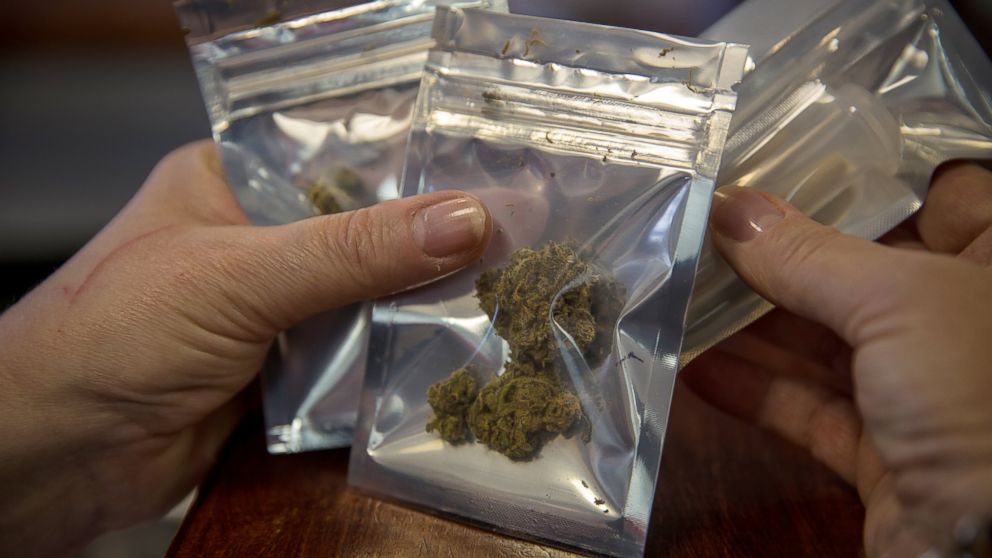
Medical marijuana is dispensed at the Takoma Wellness Center, Oct. 10, 2014, in Takoma Park, DC.

 PHOTO: Medical marijuana is dispensed at the Takoma Wellness Center, Oct. 10, 2014, in Takoma Park, DC.

Evelyn Hockstein/The Washington Post/Getty Images

ABC Health News  - Mar 18, 2015, 1:54 PM ET  -  By LIZ NEPORENT – Cross-Posted at Just One More Pet (JOMP)  and True Health Is True Wealth (THITW)

A new bill introduced in the Nevada state legislature earlier this week would allow owners to give their ailing pets medical marijuana. Many owners across the country said it’s about time, and that “pot for pets” should be legal everywhere.

Becky Flowers, a California ranch owner, said she gave her mare Phoenix regular doses of medical marijuana for several years to help ease the pain of a degenerative joint condition. The horse could barely walk due to extreme swelling in her front legs that traditional and herbal medications didn’t seem to help, Flowers said.

“She would lay there for days and she wouldn’t eat or drink,” Flowers told ABC News.

Flowers said she considered having the animal euthanized but decided as a last ditch effort to give her some of marijuana legally prescribed to her husband who is a paraplegic. In less than an hour, the horse was up and moving, Flowers said.  

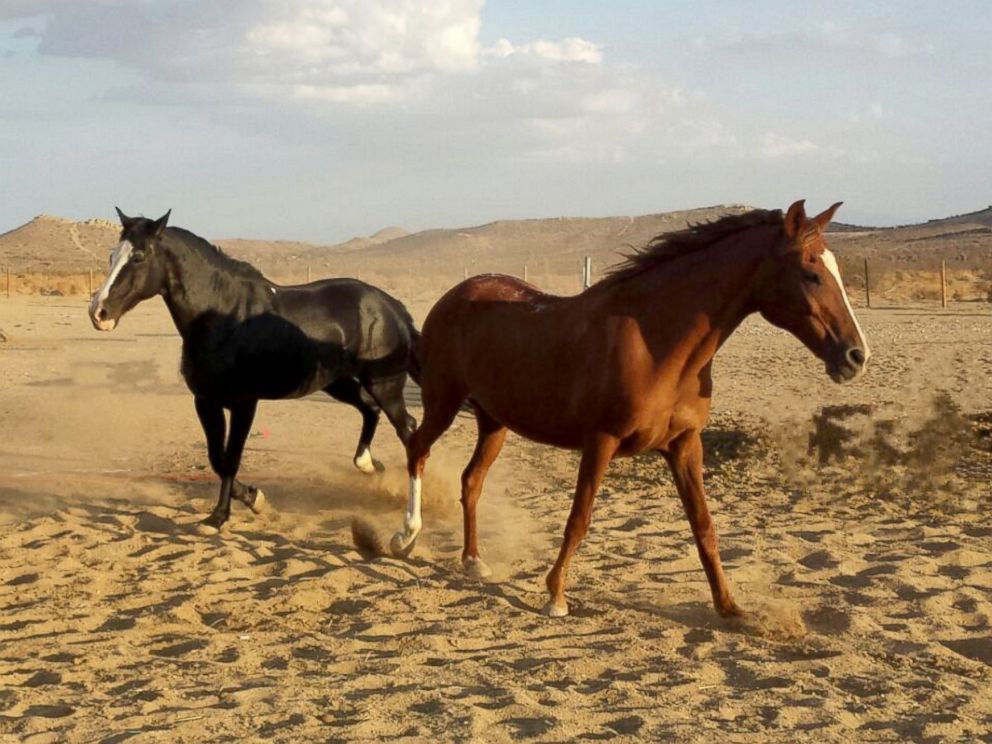
PHOTO: Becky Flowers gave her horse Phoenix, right, medical marijuana to help ease the pain of a chronic joint condition.

PHOTO: Becky Flowers gave her horse Phoenix, right, medical marijuana to help ease the pain of a chronic joint condition.

Flowers began giving Phoenix about a tablespoon of medical marijuana in oil every day, she said, noting that the horse lived largely pain-free for two more years before dying in her late twenties. Since then, Flowers has given marijuana to some of her other horses and has recommended it to other horse owners as well.

Medical marijuana does show some promise for easing the pain and suffering in animals, but veterinarians and owners should proceed with caution, said Dr. Robert Silver, president of the veterinary botanical medical association.

“There needs to be a lot more research and education taking place before we introduce this to pets,” Silver said, who is a veterinarian in Colorado, a state where both medical and recreational marijuana are legal for people.

medical marijuana dogStudies show that dogs in particular react differently than humans to THC, one of marijuana’s active ingredients, Silver said. Because they have a high concentration of THC receptors in the back of their brains, they are susceptible to severe neurologic effects and toxic reactions, he added. States where medical or recreational use is legal have seen an increase in canine emergency room admissions associated with the drug, Silver said.

The American Veterinary Medical Association does not have an official stance on the use of medical marijuana with pets but suggests that vets make treatment decisions based on sound clinical judgment that stay in compliance with the law. They note that even in states where medical marijuana is legal, it is still a Class I narcotic under federal law which means vets are not legally allowed to prescribe it to their patients.

If passed, the Nevada law would allow animal owners to get marijuana for their pet if a veterinarian certifies the animal has an illness that might be helped by the drug. The proposal is in its earliest stages and faces numerous legislative hurdles before it could become law. It’s part of a larger bill that would refine the state’s existing medical marijuana law by clarifying penalties for drivers under the influence and allowing the resale of marijuana dispensaries.

**My question is how about Hemp CBD Oil, verses THC oils or marijuana. CBD Hemp Oil (HCHO) is obtained from select strains of CBD rich hemp grown legally worldwide. But always consult your veterinarian. 

Interestingly, cannabis smoking is associated with a 45% reduced risk of bladder cancer in humans and a 47-62% reduced rate of head and neck cancer, regardless of whether or not they had been infected with HPV.  And using hemp oils increases the survival success rate of treatments like chemotherapy and radiation by 25%. JOMP~

Veterinarian Administers Medical Marijuana To Dogs, Says It Works Wonders

More Dogs (and Cats) Getting High, Sick and Fat In States Where Marijuana Is Legal

Canada marijuana growers use wild bears to guard pot

Medical marijuana and the positive effects of hemp oil are a great breakthrough, help and blessing for many… humans and animals with a large variety of illnesses, including Cancer.  But widespread legal recreational marijuana use, perhaps not so much…

George Soros’ Latest Crusade: Legalizing Marijuana in the U.S.

THE HARMFUL EFFECTS OF MARIJUANA

Thursday, January 1, 2015

Happy New Year 2015 From True Health Is True Wealth

happy_new_year_2015

Take a moment to enjoy the beautiful photographic train ride and the accompanying words: HERE. <–

http://media-cache-ak0.pinimg.com/736x/39/a8/30/39a8300a4ef19b4e4d7ea2e4b675f9de.jpg

At the end of the year it has become a journalistic tradition to recap the year’s top stories, to recall the highlights and low points of the months and to remember those who have left us.  It is also a time to look forward with hope… This year that reach for hope and improvement seems more difficult than at anytime in my memory.

“It’s Auld Lang Syne time again. Robert Burns is credited with ‘collecting’ the lyrics for the old Scots’ drinking and dancing ballad that’s become a traditional part of New Year festivities. The most memorable verses: "Should old acquaintance be forgot and never brought to mind?" and the chorus, "For auld Lang Syne, my dear, for auld Lang Syne, we’ll take a cup of kindness yet, for auld Lang Syne," are oft’ described as reminders of "the good old times" amidst new beginnings. That’s a tough task this year. Saying goodbye to 2013 won’t be hard. But looking forward with hope for a better year in 2014 is a bit of a challenge!”

Happy New Year!

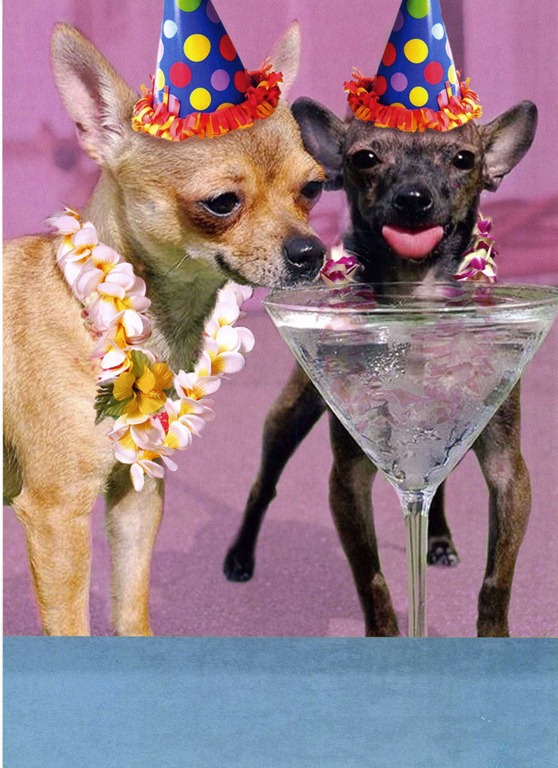
B-Day Card - Chi Martinis

Angel and Annabelle Celebrating… Happy New Year 2012~

(And it is water in that glass… Please no alcohol for your pets!!

And if you possible can… adopt just one more pet (or two) in 2015 or become a pet foster parent and donate to your local shelter.  Our shelters are over-flowing and your help will save a life or perhaps many lives

Wishing you all health, wealth and happiness in 2015 and wishing America the kind of leadership she deserves!

Thanks to our sister site Just One More Pet

Sunday, May 25, 2014

Memorial Day and Summer Cautions and Safety Tips For Pet Owners

JOMP:  Memorial Day is generally considered the unofficial start of summer.  It is a season of fun and leisure but can also be a time when pets are forgotten or injured, amidst the fun, games, activates and heat.  Our pets our family members and all animals under our car are our responsibility so this is a quick reminder that  pet (animal) health should be kept in the forefront of our minds to help ensure a safe season for all.

Memorial Day is often filled with travel, parties, parades that often include pets and fun under the sun, so  while it is fun to include our pets in our activates, we can't forget to take the extra steps to make sure they' are safe and protected.

Below are the top five top safety tips from the ASPCA that pet owners need to remember this summer:

  • Travel in Style: Traveling can be highly stressful for our pets. If you're planning a road trip, prep your pet in advance by taking short rides in the car and getting them used to riding in a crate or car harness. "Pet owners should never leave their animals unattended in a parked vehicle," said Dr. Louise Murray, vice president of the ASPCA Animal Hospital. "Parked cars, even with windows open, become very hot in a short amount of time, and this can lead to heatstroke or death." If you must travel by air, putting your pet in cargo isn't ideal. If this is unavoidable, take great care to purchase the required crate and tell every airline employee you are traveling with a pet in cargo to avoid your pet being left on the tarmac or outside during extreme weather.
  • Keep Cool: Dogs and cats can become dehydrated quickly, so give them plenty of water when is the weather is hot.. Also, make sure your pet has a shady place to escape the sun and don't let your dog linger outdoors, especially on hot asphalt. Being so close to the ground, your dog's body can heat up quickly, and sensitive paw pads can get burned.
  • Watch What They Eat:  Summertime can be perfect for backyard barbecues or parties, but remember that the food and drink you serve your guests may be poisonous to pets. Keep alcoholic beverages away from pets, and remember that the snacks you serve your friends should not be treats for your pet. Any change of diet - even for one meal - may give your dog or cat severe digestive ailments. Make sure to avoid raisins, grapes, onions, chocolate and products with the sweetener xylitol, since these are poisonous to pets, the no-no foods for pets.
  • Beware of "High-Rise Syndrome": During warmer months, many animal hospitals and veterinarians see an increase in injured animals as a result of "High-Rise Syndrome," which is when pets fall or jump out of windows and are seriously or fatally injured. Keep all unscreened windows in your home closed and make sure screens are tightly secured.
  • Love the Leash: Warm weather can inspire longer walks, but while this is exciting for both dog and owner, it's important that dogs are always kept on leashes with collars and up-to-date ID tags to protect them from getting loose and injuring themselves or others.

Also, be sure to carry the numbers for your dog(s), cat(s) and other pets’ local veterinarian, the 24-Hour emergency pet clinic and the ASPCA's Animal Poison Control Center at (888) 426-4435 for immediate assistance if needed.

Below are some fun Memorial Day pet fun photos from 2013:

Fun Patriotic Memorial Day Pet Photos

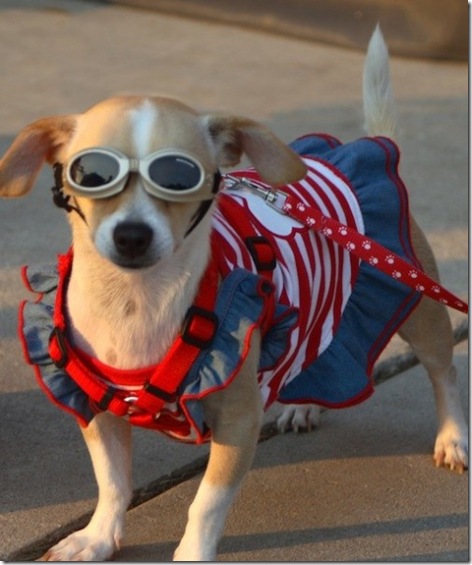
Saucy Lady

Patriotic Horse

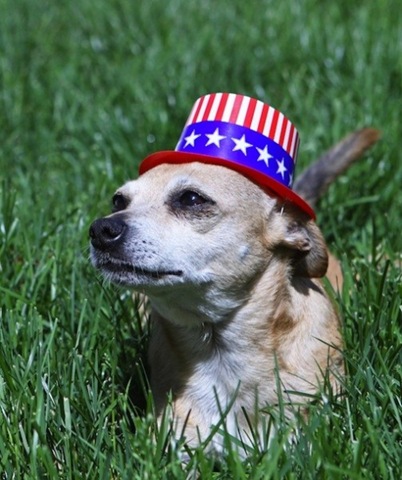
All American Dog

Patriotic Ferret

Is This Good

Patriotic Kitten

Patriotic Dachsies

Patriotic Gilla Monster

Festive Fido

Cool Patriotic Cat

Patriotic Bull Dog

Patriotic Donkey

Patriotic Cool Dude

Patriotic-Parrot 2

Patriotic Dog 3

Patriotic Piggie

Patriotic Retreiver

Patriotic Cat

Patriotic Doggie

Yeepet gallery Pets

Patriotic Chi

Yeepet gallery Pets

By Marion Algier – Just One More Pet (JOMP) – UCLA Shutterbug 

Ronald Reagan Honors America and Our Troops Past and Present 

Memorial Day 2014 

Photos From the Frontlines – The Dogs of War

Hero Dogs of 9/11 

Memorial Day Weekend Health Safety Tip Reminders 

Nation's oldest Memorial Day Parade returns to Bay Ridge

Military Heroes and Their Dogs

Sergeant Stubby

1st national monument for war dogs honors four-legged pup soldiers of World War II and beyond

Wednesday, January 22, 2014

The Iditarod on 12,000 calories a day

Extreme cold in Alaska makes the race even more challenging – and dangerous

Rick Casillo dog racingGuest essay by Paul Driessen – What’s Up With That? – Cross-Posted at Just One More Pet

This winter’s record Midwestern freeze made any outdoor activity a real challenge. It also made us appreciate modern housing, heating, transportation and hydrocarbons – and what our frontline troops have endured in the Aleutians, Korea and Afghanistan. I’ve been in minus 20-50 F weather, and it is brutal. 

The nasty weather reminded me of the Iditarod racers and spirited sled dogs I met last summer in Alaska. Trekking 1,100 miles from Anchorage to Nome, across Sam McGee’s wilderness in the dead of winter in nine to twelve days, is not for faint-hearted humans or canines. It’s equivalent to jogging from Chicago to Tampa or from Washington, DC to Kansas City – with temperatures ranging from a “balmy” 10 or 20 degrees F (-7 to -12 C) above to a bone-rattling and deadly minus 50 (-46 C) or lower for the entire trip.

It helps explain why far more people have reached the summit of Mt. Everest than have finished the annual Iditarod race.

This difference: some 4,000 to Everest’s peak versus around 900 individual dogsledders, many of whom are the same hardy men and women racing year after year. About 2,550 dog teams of 16 dogs each have competed since Dorothy Page and Joe Redington, Sr. launched the Iditarod dogsled race in 1973.

Rick Swenson has entered the race 33 times and won it five times, logging more than 82,000 miles in training and racing. DeeDee Jonrowe has started 27 races and finished 25, including 2003 when she began three weeks after finishing chemotherapy for breast cancer! (Go here for still more Iditarod trivia.)

“The coldest I’ve ever been in during the Iditarod was minus 60, and I actually camped out on the trail that night with the dogs,” Rick Casillo told me. “It’s by far the coldest I have ever been. I went to sleep after taking care of the dogs, woke up two hours later and was starting to get hypothermic. I had to get out of my bag and get moving fast. When you’re dealing with temperatures like that, there is no room for error. You have to plan and execute each step perfectly.” Jack London’s “To build a fire” comes to mind.

Rick and his wife Jennifer operate Battle Dawgs Racing, Aurora Heli-Expeditions and the Knik River Lodge west of Palmer. But Battle Dawgs is not just their dog kennel. By partnering with Alaska’s Healing Hearts, they’ve made it a wounded veterans rehabilitation program that enables military personnel and their families and loved ones to experience wild Alaska, restore their souls, and meet kindred spirits through hunting, fishing, mushing, flying, hiking and snowmobiling.

James Hastings, director of operations for AHH and a retired U.S. Army veteran, says their goal with Battle Dawgs is to have a year-round camp with cabins and facilities that can accommodate warriors in wheel chairs. Adds Jennifer, an Air Force veteran and reservist, aircraft mechanic and chopper pilot: “For a wounded veteran, the true battle often begins when they get home.” That’s why the dogs are important. “The healing capabilities of canines are legendary,” Rick says. “You can’t spend time with these men and women, and not want to help out by offering them some life changing experiences.”

Some of warriors will actually be members of Rick’s “pit crew” during dog races. One will be on his sled for the “ceremonial” portion of the 2014 Iditarod, from Anchorage to Eagle River, where the teams regroup and start the actual race. Few can imagine what goes into this race.

Pre-season racing is like pre-season football, Rick says. “You use it to gauge younger dogs and give them valuable racing experience. I’m looking for attitude, recovery time, eating habits, drive and desire. These dogs are all born to run, but I need dogs that can do these runs over and over, willingly and happily.” Usually he spots these characteristics by opening day, but sometimes there are surprises.

“The toughest situation I was ever in was easily in 2007 when I was going up the Alaska Range from Rainey Pass,” Rick recalls. “The temperature was minus 30, with 40 mph winds – making it feel like minus 71 – and we were climbing in a complete whiteout. My goggles froze up solid and were useless. I was forced to take them off. Minutes later, frostbite set in on my nose, cheeks and eyelids. Sometimes I had to walk in front of the team to find the trail. All of a sudden, an 18-month-old dog started demanding to be up front, leading. Normally I would never rely on a young dog in a situation like that, but Grisman was jumping five feet in the air, howling to go. So I gave him a chance. Once I put Gris in lead, he never balked once. Not only did he take us up and over the range. He continued to be one of best dogs in that race and went on to be the best dog I have ever run.”

That experience underscores what are perhaps the six most important factors in Iditarod racing. (1) Bond and trust. “If you don’t have the dogs’ trust, you have nothing,” Rick emphasizes. (2) Mental and physical toughness, for dogs and musher alike. By the end of the race, each musher is tired, battered and cut up – attesting to the difficulty of the trail and weather, and to the need to just keep going, no matter what. (3) Logistics. More on that in a minute. (4-6) “Dog care, dog care, dog care. As the dogs go, you go.”

For UPS and Amazon, logistics are vital. “Brown” even has a jingle about logistics, and Amazon.com hires numerous veterans because of their logistical skills. But for the military and Iditarod racers, logistics mean the difference between success and failure, life or death. “We’re on our own out there,” Rick told me. “No cell phones, no communications. Careful planning and preparation are critical.”

Each dog burns 12,000 calories a day during the Iditarod, Rick points out. That’s what Olympic swimming champion Michael Phelps reportedly consumes on racing days. Rick’s dogs eat a combination of beef, horse, fish and chicken; beef fat and turkey and chicken skins; tripe and high-grade dry dog food; salmon oil and natural supplements. They wear booties to protect their feet from the cold and bruising.

Mushers are required to carry a sleeping bag, ax, snow shoes, extra dog booties, a veterinary care book, a dog food cooker and sufficient food for the dogs, in their sleds at all times. So they are hauling about 60 pounds of food and gear in sleds similar to what Inupiaq and Yup’ik Natives used for centuries. For each musher, some 3,000 pairs of booties and 2,000 pounds of food and personal gear are divided up and airlifted by volunteer flyers two weeks before the race to each of 20 check points along the route.

“We cover 125 to 150 miles a day. Our average runs are 60 miles, followed by a four-to-five-hour break to eat, rest, massage and care for the dogs – and then we do it again, and again, until we reach Nome,” Rick explains. Mushers are also required to shut down completely for two 8-hour and one 24-hour rest periods. Tough hills, rocks, swollen creeks, high winds, frigid temperatures, storms, whiteout conditions, accidents and injuries to dogs or mushers, and other adventures can slow that pace down. But somehow they need to make it to the next check point, where volunteer veterinarians examine the dogs and they can replenish their supplies. More volunteers fly any injured dogs from the nearest checkpoint back to Eagle River, where Hiland Mountain Correctional Center inmates care for them until the mushers finish the race.

The hard training and careful preparation pay off. Rick has entered and finished four Iditarod races and is now preparing for his fifth. He’s also competed in many other dogsled races. This year he plans to run at a slower pace that requires less exertion and less rest – and results in less fatigue and healthier dogs that can chew up miles. That’s a bit different from a musher who “ran” all 188 miles to Rohn with minimal breaks in the first race of the 2013-14 season. It will be fascinating to watch all the mushers’ strategies in action.

They’re all straining, sweating and freezing for the $50,000 first place prize – and smaller cash prizes for the next 30 top finishers, plus the joys and thrills of just being in this premier race. But competing in the Iditarod costs $30,000 or more in fees, supplies, dog care, preparation, training and prelims.

So follow Rick Casillo on BattleDawgsRacing.com and all the mushers, preparations, history and thrills of this amazing race at Iditarod.com. Buy some gear and DVDs. Support your favorite mushers and dogs with donations or by volunteering. And watch the race on television. It starts March 1 – and now you know enough to really understand and appreciate “the last great race,” the Iditarod.

_______________

Paul Driessen is senior policy analyst for the Committee For A Constructive Tomorrow, author of Eco-Imperialism: Green Power Black Death (Kindle), and a huge fan of Rick Casillo, Battle Dawgs and all they do.

Related: 

Iditarod Trail Race Headquarters, Palin and Alaskan Tourism 

Iditarod Dog Found 7-Days After Disappearing From Team 

Pet Detectives Capture Iditarod Dog on the Lam in East King Co. for 6 Weeks 

Iditarod Dog Saved With Mouth-To-Snout CPR 

Alaskan Breeds Only True American Breeds Study Shows…
Monday, January 13, 2014

If You MUST Vaccinate, Aim for This Body Part

Story at-a-glance

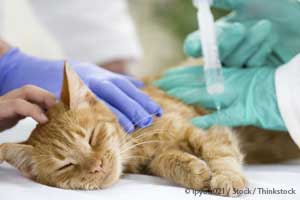
  • Thousands of cats – from 1 to 10 out of every 10,000 vaccinated – develop vaccine-associated sarcomas each year. This malignant form of cancer is linked primarily to rabies and feline leukemia virus (FeLV) vaccines.
  • Because of the risk of sarcomas at injection sites, it is customary for veterinarians to give feline rabies vaccines in the right rear leg and FeLV vaccines in the left rear leg. The injection sites are below the knee joint so that amputation of the lower part of the leg can provide a treatment option in the event a tumor develops. The majority of cat owners, however, when faced with a VAS on their pet’s lower leg, refuse to amputate to avoid pain, disfigurement, and the costs associated with the procedure.
  • A recent pilot study at the University of Florida suggests that tail vaccinations are a good alternative to rear leg vaccinations in cats. Study results indicate there are no significant differences in the behavior of the cats that receive vaccinations below the knee and in the tail. All but one cat that received the tail vaccines developed protective antibody titers. The researchers concluded that tail vaccination was well tolerated by the cats in the study and was as effective as vaccines injected in the lower rear legs.
  • The researchers believe tail vaccinations could make surgical treatment of vaccine-associated sarcomas easier and less disfiguring, which could in turn encourage more owners to have their cats treated for cancer.
  • Rather than evaluating which body part is best for feline vaccinations, Dr. Becker recommends first focusing on the necessity for the vaccine at all. She offers guidelines to help you make sound vaccination decisions for your cat.

Cat Vaccination

By Dr. Becker – Cross-Posted at Just One More Pet

It is estimated that from one to 10 cats out of every 10,000 vaccinated will develop cancer at the vaccine injection site, also known as vaccine-associated sarcoma (VAS). A sarcoma is a type of cancer resulting from changes in connective tissue cells. Feline vaccine-associated sarcoma is a malignant tumor that is primarily associated with two vaccines: the rabies vaccine, and the feline leukemia virus (FeLV) vaccine.

For several years, it has been customary for feline rabies vaccines to be given in the right rear leg and FeLV vaccines in the left rear leg. The injections are made below the knee joint so that amputation of the lower portion of the leg can be offered to cat owners as a cancer treatment option. However, many owners of cats with VAS refuse amputation of their kitty’s leg because it’s painful, disfiguring and costly.

Pilot Study Suggests Tail Vaccinations Are Effective and Well-Tolerated

A research team from the University of Florida, Operation Catnip in Florida, Cornell University’s College of Veterinary Medicine, and Kansas State University’s Rabies Laboratory set out to evaluate alternatives to customary vaccine injection sites in the lower legs of cats. The results of their pilot study were published recently in the Journal of Feline Medicine and Surgery.1

The researchers surveyed oncology practitioners to learn their preference for vaccination sites based on ease of tumor removal. The preferred sites by 94 oncology practitioners were below the knee (41 percent), and the tip of the tail (30 percent).

Study results also indicated there were no significant differences in the behavior of the cats that received vaccinations below the knee and in the tail. All but one cat that received the tail vaccines developed protective antibody titers. The researchers concluded that tail vaccination was well tolerated by the cats in the study and was as effective as vaccines injected in the lower rear legs.

The researchers believe tail vaccinations could make surgical treatment of vaccine-associated sarcomas easier and less disfiguring, which could in turn encourage more owners to have their cats treated for cancer.

My Guidelines for Vaccinating Cats

As a holistic veterinarian, I’m much less interested in which body parts are best for vaccine injections than I am in determining which vaccines an animal truly needs based on established immunity, age, lifestyle, and other factors. This is especially true of cats, in light of the potential for vaccine-associated sarcomas.

If possible, I recommend you find a holistic or integrative vet to care for your cat. Non-traditional veterinarians are generally very cautious vaccinators. If your cat is strictly an indoor housecat with no exposure to other cats or the outdoors, the risks of annual vaccines far outweigh the benefits, in my opinion.

Ask for a vaccine titer test, which will measure your cat’s immunological protection against diseases for which he has already been vaccinated via his kitten shots. You can’t add protection to an already immunized pet, so don’t keep vaccinating.

If your pet truly needs a booster of a certain vaccine or a vaccine she’s never received, make sure that 1) the vaccine is for a serious disease (this eliminates many on the list immediately), 2) your cat may be in a position to be exposed to the disease (indoor cats have little to no exposure to most diseases), and 3) the vaccine is considered both safe and effective.

If your cat is an indoor/outdoor cat (in a high risk category for disease exposure) and must receive a booster vaccine, ask your vet to provide a homeopathic detox remedy called Thuja, which will help neutralize the effects of any vaccine other than the rabies vaccine. Rabies vaccines are required by law. There are two varieties of the same vaccine – the one-year type and the three-year type. Insist on the thimerosal-free, three-year rabies vaccine, and ask your vet about the homeopathic rabies vaccine detoxifier called Lyssin. If your pet is a kitten, ask to have the rabies vaccine given after four months of age, preferably closer to six months, to reduce the potential for a reaction.

If your cat lives entirely indoors, I recommend she not be vaccinated again after a full set of kitten shots in her first year of life. Her indoor-only lifestyle eliminates her risk of exposure to infectious diseases. Keep your unvaccinated indoor cat away from all other cats and your pet’s risk is virtually nonexistent.

Do not vaccinate your cat if he has had a serious vaccine reaction in the past.

Avoid veterinary practices that promote annual or more frequent re-vaccinations. Try not to patronize any boarding facility, groomer, or other animal care service that requires you to vaccinate your cat more than necessary.  

Dog and Cat Vaccines are Not Harmless Preventive Medicine  

The Pets Most Likely to Suffer from Vaccine Adverse Reactions 

Don’t Be Duped By the True Intent of This Media Blitz

Sunday, September 22, 2013

Pet Alzheimer's Disease - Is Your Dog or Cat Showing Signs?

According to the Alzheimer's Association, 1 in 3 (human) Seniors die of Alzheimer’s or other related dementia and it now appears that Alzheimer’s affects our pets as well…
Story at-a-glance
  • As your pet ages, he can develop canine or feline cognitive dysfunction syndrome, which is a degenerative brain disease similar to Alzheimer’s in humans. Studies show 40 percent of dogs at 15 have at least one symptom, as do 68 percent of geriatric dogs. About half of all cats 15 or older also show signs of cognitive decline.
  • Veterinary behaviorists are speaking out about the need for vets to monitor behavior in older pets just as they do other body systems. The earlier a cognitive problem is recognized, the earlier intervention can begin, giving pets more quality time with their families.
  • Cognitive dysfunction is not “normal aging.” Diagnosis of the disease is a diagnosis of exclusion, since many health conditions in older pets have symptoms that mimic those of cognitive decline.
  • A balanced, species-appropriate diet, exercise, mental stimulation and environmental enrichment are basic tools for pet owners who want to help their dog or cat stay mentally sharp.
  • There are also several supplements that can be beneficial for older pets, including SAMe, coconut oil, resveratrol, ginkgo biloba, and phosphatidylserine.

Aging Pet

By Dr. Becker  -  Cross-Posted at Just One More Pet

Unfortunately, just like people, dogs and cats also develop degenerative brain diseases known as canine or feline cognitive dysfunction syndrome. But unlike humans, often the signs a pet is in mental decline go unnoticed until the condition is so advanced there’s little that can be done to turn things around or at least slow the progression of the disease.

Often, even an animal’s veterinarian is unaware there’s a problem because he or she doesn’t see the pet that often and always in a clinical setting vs. at home. In addition, according to Dr. Jeff Nichol, a veterinary behavior specialist in Albuquerque, NM, many DVMs aren’t aware of just how common cognitive dysfunction syndrome is. Vets assume pet parents will tell them when an older dog or cat is experiencing behavior changes, while owners assume the changes are just a natural part of aging.

In a large Australian study published in 2011 on canine cognitive dysfunction (CCD),1 scientists at the University of Sydney reported that about 14 percent of dogs develop CCD, but less than 2 percent are diagnosed. In addition, the risk of CCD increases with age -- over 40 percent of dogs at 15 will have at least one symptom. Researchers also estimate the prevalence of cognitive dysfunction in geriatric dogs at 68 percent.

In a study also published in 2011 on cognitive decline in cats,2 a researcher at the University of Edinburgh, Hospital for Small Animals estimated that a third of all cats between 11 and 14 years of age have age-related cognitive decline. That number increases to 50 percent for cats 15 years and older.

Are You Discussing Your Pet’s Behavior Changes with Your Vet?

Veterinary behaviorists are beginning to speak out about the need for vets to monitor behavior in older pets just as they do other body systems. According to Dr. Marsha Reich, a diplomate of the American College of Veterinary Behavior:

“Just because he’s getting old doesn’t mean that we just stand on the sidelines and let him get old. There are things we can do to intervene and improve the dog’s ability to function and improve its quality of life.”

Dr. Gary Landsberg, a veterinary behaviorist in Ontario, Canada, agrees. "This is critical. Early recognition allows for early intervention,” he says.

One of the challenges for vets is that older pets often have multiple health conditions that must be managed, and behavior issues – when addressed at all -- often take a back seat. This is especially true for DVMs who expect pet parents to make a separate appointment to discuss behavior changes they’ve noticed in their dog or cat. Typically by the time that happens, if it happens at all, it’s too late.

Animal behavior experts would like to see vet clinic staff give owners a behavioral questionnaire to complete before the dog or cat is taken to the examination room. (Questionnaires could even be emailed to pet owners a day or two before a scheduled appointment.) The vet can then quickly scan the questionnaire to see if there’s a need to discuss changes in an animal’s behavior with the owner.

The questionnaires, if done routinely, also provide a history both the vet and pet owner can refer to as the dog or cat ages.

At my practice, we have clients complete a “Catching Up” form every 6 months at their wellness exam, which covers any new behaviors that may have developed over the past months since their pet’s last exam.

Your Pet’s Mental Decline Has a Physical Cause

Cognitive dysfunction presents as a psychological problem, but the root cause is actually physical and is the result of age-related changes within the brain.

Dogs’ and cats’ brains age in a similar fashion and undergo oxidative damage, neuronal loss, atrophy and the development of beta-amyloid plaques. These ß-amyloid plaques are also seen in human Alzheimer’s sufferers.

According to Dr. Nicholas Dodman, professor and program director of animal behavior at Cummings School of Veterinary Medicine at Tufts University, “normal aging” does exist. Some features of cognitive function do decrease with age, but cognitive dysfunction of the type seen in Alzheimer’s disease is not normal.

While canine dementia isn’t exactly the same disease as Alzheimer’s in people, the development of ß-amyloid plaques in pets results in confusion, memory loss, and other symptoms related to mental function. And the condition can come on and progress very rapidly.

Diagnosis of cognitive dysfunction in a pet is a diagnosis of exclusion. There are many conditions older animals acquire that mimic the signs of cognitive decline, so it’s important to rule out all other physical reasons for a change in behavior. For example, a small seizure can cause a pet to stand still and stare. If your pet seems detached, he could be in pain. Inappropriate elimination can be due to kidney disease. These disorders and many others can result in a change in behavior unrelated to cognitive decline. That’s why it’s so important to rule out all possible alternative reasons, especially in aging pets.

It’s also important for your vet to review any medications your dog or cat is taking. Older animals metabolize drugs differently than younger pets, and if a dog or cat has been on a certain medication for years, it’s possible it is having a different effect as he gets older.

And keep in mind your aging kitty may need a more accessible litter box, and an older dog may need more trips outside to relieve herself.

How to Help Your Aging Pet Stay Mentally Sharp

Fortunately, there are many things you can do to help your aging pet maintain good mental function for as long as possible, and delay the onset and progression of cognitive decline.

  • The foundation for good health and vitality for pets of any age is a nutritionally balanced, species-appropriate diet. Your pet’s diet should include omega-3 essential fats, such as krill oil, which are critical for cognitive health. Your pet’s body needs an ideal energy source to promote the processes of metabolism, growth and healing. That perfect fuel -- especially for aging pets -- is a healthy variety of fresh, living food suitable for your carnivorous cat or dog.
  • Keep your pet’s body and mind active with regular exercise appropriate for your pet’s age and physical condition, and mental stimulation (puzzles and treat-release toys can be beneficial). Make sure your dog has opportunities to socialize with other pets and people. Think of creative ways to enrich your cat's indoor environment.
  • Provide your pet with a SAMe (S-adenosylmethionine) supplement as a safe and effective way to stall or improve mental decline. Consult your pet's veterinarian for the right dose size for your dog or cat. There are also commercial cognitive support products available.
  • Medium-chain triglycerides (MCTs) have been shown to improve brain energy metabolism and decrease the amyloid protein buildup that results in brain lesions in older pets. Coconut oil is a rich source of MCTs. I recommend 1/4 teaspoon for every 10 pounds of body weight twice daily for basic MCT support.
  • Other supplements to consider are resveratrol (Japanese knotweed), which protects against free radical damage and beta-amyloid deposits, ginkgo biloba, gotu kola and phosphatidylserine – a nutritional supplement that can inhibit age-related cognitive deficits. Consult a holistic veterinarian for dosing guidance.
  • Cats are often nocturnal throughout their lives, but older dogs can develop problems sleeping at night. They tend to sleep all day and stay awake all night, pacing, making noise, and feeling anxious and uncomfortable. Behaviorists recommend melatonin, which is not only a sedative with a calming effect, but also an antioxidant. I also use Rhodiola, chamomile and l-theanine in both cats and dogs with excellent results.
  • Keep your pet at a healthy size – overweight dogs and cats are at significant increased risk for disease as they age.
  • Maintain your pet's dental health.
  • I recommend twice-yearly vet visits for pets no matter the age, but this becomes even more important for animals getting up in years. Keeping abreast of your dog's or cat’s physical and mental changes as she ages is the best way to catch any disease process early. Ask your vet to perform a blood test to check your dog's internal organ health to make sure you are identifying possible issues early on.

When your pet begins to respond to therapy designed to improve cognitive function, in the case of a dog, you can begin re-training him using the same techniques you used when he was a puppy – positive reinforcement behavior training involving lots of treats and praise.

Of course, none of these recommendations will be terribly helpful for a pet in the advanced stages of cognitive decline, which is why it’s so important to diagnose and begin treating the problem as early as possible.

Cognitive dysfunction is a progressive disease that can’t be cured, but early diagnosis and intervention can slow mental decline and offer your aging pet good quality of life.

Wednesday, July 17, 2013

Surgeon who typically operates on humans, was called in after the pit bull was strapped with fireworks and lit ablaze

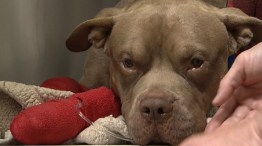
NBCLA/JOMP: A 2-year-old pit bull pup who may have been the victim of a cruel Fourth of July prank was rescued July 5th, but it’s just the start of what likely will be a long recovery for the badly burned dog.  The young pit bull was found July 5 in the Van Nuys, Calif., area and brought to the East Valley Animal Shelter.

While rescuers are unsure exactly what happened to the dog they named Indy, they suspect he may have been hurt by fireworks the day before.

Shelter Transport Animal Rescue Team (S.T.A.R.T.) took the dog into their care Thursday. The group, which describes its purpose as removing animals from high-kill shelters in Los Angeles, is offering a $1,000 reward for the arrest and conviction of whoever injured Indy.

"We named him Indy because we want Independence Day to mark his freedom from those who hurt him," according to a video posted to S.T.A.R.T.’s Facebook page.

In the video, Indy takes ginger steps around his cage. He is suffering from third-degree burns over half his body, including on his stomach, legs and paws.

Doctor Aids Pup Hurt by Fireworks

Dr. Daniel Slaton, a well-known surgeon who typically operates on humans, was called in after the pit bull was apparently strapped with fireworks and lit ablaze.  He believes based on the pattern and location of the burns, the dog was strapped with fireworks on July 4.

“Fire from the fireworks are going down his legs, and as it was being lit, he was walking and burning the bottoms of his feet,” said Slaton, lead surgeon at the Westlake Village Animal Hospital, where Indy has undergone at least 2 surgeries so far.

Called "sweet and gentle" by rescuers, the 2 to 3-year-old pup (pictured above) is being treated by a burn specialist at the private veterinarian hospital, where he’ll have to stay at least another month.

His next surgery is scheduled for Friday morning.

Rescuers are asking for the public’s help to fund Indy’s extensive recovery.

Anyone interested in donating is asked to contact donations@startrescue.org, or mail a check to:

S.T.A.R.T.
PO Box 4792
Valley Village, CA 91617

The organization notes that donations should be sent as "Personal and Gift so no charges are taken out, and kindly write INDY in the memo."

See video HERE

Related: 

'Rocket' the dog lucky to be alive after thugs attached an explosive to its neck and blew it up 

Justice for Dog Whose Face Was Blown Off By Fireworks!

Friday, June 21, 2013

Sheep-eating plant to bloom for first time in 15 years

The national botanic garden in Wales has been cultivating a horrid, sheep-eating plant for 11 years, and now it's finally about to bloom.

Newsmax/Cross-Posted at Just One More Pet: It is not exactly Audrey II from the Broadway play "Little Shop of Horrors," but English horticulturalists say for the first time that a Chilean "sheep-eating" plant is ready to bloom in the Royal Horticultural Society garden greenhouse in Wisley, south of London.

The gardening charity told the BBC that very few specimens of the Puya chilensis were known to have flowered in the United Kingdom. Puya chilensis are known for using their sharp spines to snare and trap sheep and other small animals, which slowly starve to death.

The animals then decay at the base of the plant, acting as fertilizer. The horticultural society officials told the BBC it opted for liquid fertilizer to feed its Puy chilensis in the greenhouse.

The National Botanic Garden of Wales waited 11 years for its plant to bloom, though clumps bloom every April in the open on Tresco in the Isles of Scilly.

"I’m really pleased that we’ve finally coaxed our Puya chilensis into flower,"  horticulturalist Cara Smith told the UK's Metro.

"We keep it well fed with liquid fertilizer as feeding it on its natural diet might prove a bit problematic."

Smith told Metro just to make sure the plant behaved, horticulturalists are raising it in a remote portion of the greenhouse so it can remain out of reach of children. The plant has bright, greeny-yellow flowers on tall spikes above the razor-sharp spines.

"It’s well worth a visit but parents coming along with small children don’t need to worry about the plant devouring their little ones," Smith said in a news release by the horticultural society.

The society said the "blossoms are gigantic with each individual bloom measuring around five centimeters across and containing enough nectar for a person to drink. The plant’s taste for sheep has also proved its undoing in its native habitat where shepherds will go in search of the plants and set fire to them to protect their flocks."

Puy chiliensis can be commonly found in the arid coastal mountain region of central and north Chile, according to The Lost World Nursery. The plants are drought tolerant and can grow as tall as 10 feet, according the Lost World Nursery.

Saturday, April 27, 2013

Human Medical Treatment Brings New Hope to Critically Injured Pets

Story at-a-glance
  • Hyperbaric oxygen therapy has been used in human medicine for years to treat a range of conditions including the bends, wounds that won’t heal, gangrene, burns, and even anemia.
  • What happens with hyperbaric oxygen therapy is the lungs are able to gather up to three times more pure oxygen than is normally available, and blood flow delivers that oxygen throughout the body, stimulating the release of natural substances that promote healing.
  • At the University of Florida’s College of Veterinary Medicine, the staff is using a hyperbaric chamber to treat a variety of animals with injuries and wounds that involve swollen tissue.
  • A veterinarian in New York is using her chamber to speed healing in certain conditions including abscesses, post-radiation swelling and herniated discs.
  • At the Animal Emergency and Referral Center in Ft. Pierce, Florida, pets lie on a soft blanket and nap while inhaling pure oxygen that goes to work immediately on wounds, swelling, burns, and other injuries/illnesses.

Hyperbaric Oxygen Therapy

When your pet gets injured, whether it be from a near-drowning, being hit by a car or bitten by a snake, often what's needed is a drastic treatment that can effectively reduce swelling and speed up the healing process. This comfortable, 1 to 2 hour treatment, now being offered in certain facilities, might be your pet's best chance for recovery.

By Dr. Becker – Cross-Posted at Just One More Pet

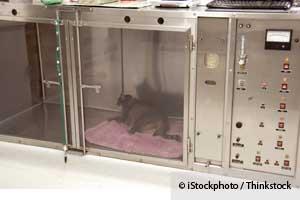
Hyperbaric oxygen chambers are pressurized tubes, or in some cases rooms, where hyperbaric oxygen therapy is delivered. This technique has been used in human medicine for decades to treat a variety of conditions including air bubbles in blood vessels (arterial gas embolism), decompression sickness (“the bends”), carbon monoxide poisoning, wounds that won’t heal, crushing injuries, gangrene, a skin or bone infection that causes tissue death, radiation injuries, burns, skin grafts or skin flaps that can cause tissue death, and severe anemia.

In a hyperbaric oxygen chamber, the air pressure is up to three times greater than normal. This causes the lungs to collect up to three times more pure oxygen than is possible when breathing atmospheric oxygen. The pure oxygen is transported throughout the body via the blood stream, which encourages the release of growth factors and stem cells that promote healing.

Reduces Swelling and Speeds Healing in Animals

In Florida and a few other states, hyperbaric oxygen therapy is increasingly being used on pets.

The University of Florida’s College of Veterinary Medicine has recently treated dogs, cats, ferrets, rabbits and even a monkey with oxygen therapy. According to professor and DVM Justin Shmalberg, they have treated rattlesnake bites, infected wounds, and animals hit by cars. Essentially any kind of problem that causes swelling of tissue is a candidate for the hyperbaric chamber.

This summer, the school will begin clinical trials to determine if what they are seeing is “real” – that hyperbaric oxygen therapy helps reduce swelling and speed healing in animals. There isn’t much research on this type of treatment for pets, though ironically, most of the research for human oxygen therapy is the result of studies on rats and rabbits.

Dr. Diane Levitan, owner of a veterinary practice in New York, has a hyperbaric chamber in her facility and has seen improved rates of healing for certain conditions including abscesses, post-radiation swelling and herniated discs. Dr. Levitan is writing an article for a veterinary journal on her use of hyperbaric oxygen therapy and agrees with Dr. Shmalberg that it’s important to establish the science behind the success of the technique for certain conditions. “It’s not a panacea,” says Levitan. “There are specific reasons why this is helpful.”

Pets are Comfortable and Relaxed During Treatment

The Animal Emergency and Referral Center in Ft. Pierce, Florida also has a hyperbaric oxygen chamber. They describe the treatment this way:

“Inside the chamber, pets lie on a soft blanket and rest or sleep while the oxygen goes to work on wounds, swelling, burns and other injuries or illnesses. The pets are comfortable and relaxed during dog/cat hyperbaric therapy treatment. The total HBOT treatment time is from 1 to 2 hours, and is usually repeated twice a day. Treatments continue until the doctors see a marked improvement. When your pet is beginning to use the affected limb, or is gaining strength and function, the animal hyperbaric oxygen chamber treatments are discontinued.”

This facility uses oxygen therapy for patients with post operative swelling, snake bites, wounds and burns, head and spinal injuries, near-drowning or asphyxiation, and smoke inhalation.

'About the Size of a Loveseat'

As you might expect, some (probably many) human insurance companies don’t cover oxygen therapy because it’s “unproven,” however, people who have had success with treatments will seek it out anyway. And the same is true for pet owners. They research the treatment and then seek it out for an ailing pet.

The equipment used at the University of Florida is “about the size of a loveseat.” The DVM who initially arranged for the equipment at UF estimates he’s used the chamber 750-800 times in the last 18 months and feels it is very effective for any kind of trauma.

Since most vet practices can’t afford to buy a chamber (equipment for humans runs between $50,000 and $150,000 each), the manufacturer actually gives the chambers to clinics and receives a percentage of each treatment done. Treatments run about $125 per session at the UF clinic.

The equipment can be dangerous to use because 100 percent oxygen is involved. Animals are patted down with water before they go into the chamber so their coat doesn’t attract static electricity and start a fire. Tragically, last year a hyperbaric oxygen chamber in a Florida equine veterinary center exploded, killing a staff member and the horse inside the chamber, and collapsing part of the building. Apparently, the horse hit the side of the enclosure with a foot, which caused a spark that set off the explosion.

Although this type of accident is incredibly rare, some veterinarians view hyperbaric therapy as a treatment of last resort. I don’t agree. With proper training, the hyperbaric oxygen chamber is as safe as any other veterinary treatment equipment, but without side effects. Inhaling pure oxygen in this manner triggers the body’s own ability to heal, which is always the goal.

Video: University of Florida Treats First Animal in a New Hyperbaric Chamber

Wednesday, April 10, 2013

Dog rescued after being tied to train tracks by 'confused' man

Rescued Banjo

Rescued Banjo

Just One More Pet:

Were it not for an eagle-eyed engineer, the world would be minus this very lucky dog. Earlier this month, an engineer driving a Union Pacific train through Mecca, Calif., saw a man stepping away from something he'd left behind: a 10-month-old doggy, tied to the tracks. The emergency braking system stopped the train, and Union Pacific Special Agent Sal Pina arrested the man, 78, who reportedly said his family did not want the dog. Pina said animal-cruelty charges wouldn’t be filed, as the man appeared to be confused or unaware of what he'd done. The rescued pup, who animal services worker named Banjo — slang for old railroad traffic signs — is happy, healthy and looking for a new home.

This ended up being a success story, but it could have been a horror story.  Sadly the numbers of elderly suffering from dementia and Alzheimer’s as well as other people suffering from mental and emotional disorders are at an all time high, let alone the people who are innately cruel and animal abusers, plus the clueless who are just abandoning their animals because of monetary problems.  Be vigilant and intercede, report abuse and keep an eye on friends and family members experiencing mental, emotional or financial challenges.  Pets and children often become unintentional victims!!

Pets are fabulous companions for the elderly and those suffering from various illnesses and challenges and pet therapy has become very popular and useful treatment , but we must remember that those animals, who give their love and companionship selflessly, are God’s creatures as well and deserve love and compassion in return.

Related:

Alzheimer's patients follow different paths to a final debilitation

Pets Being Left Behind to Starve by Their Families

Pet Therapy

Saturday, March 23, 2013

A Natural Herb That Fights Cancer, or Chemotherapy for Your Sick Pet... Which Would You Choose?

Story at-a-glance
  • Dr. Nancy Scanlan, Executive Director of both the American Holistic Veterinary Medical Foundation (AVHMF) and the American Holistic Veterinary Medical Association (AHVMA) talks with Dr. Becker about holistic therapies in the treatment of cancer in pets, and the role of the AHVM Foundation.
  • Major drug companies pay for most of the cancer research (human and animal) in the U.S. Unfortunately, these companies are only motivated to fund studies that facilitate the development of new drugs to sell. Natural anti-cancer agents are of little or no interest to them.
  • Raising independent funding for research into holistic and integrative cancer therapies is a very important focus of the AHVM Foundation. The goal is to provide scientific proof to veterinarians and the public of the uses and benefits of alternative therapies to treat animal cancer and its symptoms.
  • Between now and March 17, 2013, every $1 donated to the AHVM Foundation will be automatically tripled. That’s right – Mercola Healthy Pets will contribute $2 for every $1 donation to the foundation from March 11 through March 17, 2013.

Video: Dr. Becker Interviews Dr. Scanlan

By Dr. Becker  - Cross-Posted at Just One More Pet

In this week’s third and final video, I’m chatting with another very special guest, Dr. Nancy Scanlan. Dr. Scanlan is the Executive Director of the American Holistic Veterinary Medical Foundation (AVHMF) and also the American Holistic Veterinary Medical Association (AHVMA).

Dr. Scanlan has been a small animal practitioner for most of her veterinary career. She also spent 10 years teaching veterinary technicians. Dr. Scanlan is an authority on the use of nutraceuticals in veterinary medicine, and was certified as an acupuncturist in 1988. She gradually increased her use of holistic therapies in her practice and ultimately spent 16 years as the sole holistic veterinarian in a seven-person practice in Southern California. Since then, she’s been very involved in a variety of wonderful endeavors for the AVHMA and the Foundation.

Dr. Scanlan currently lives in the woods of northern California. Her home is off the grid, meaning that among other things, she uses solar panels as her source of electricity. I think that’s very cool!

Studies in holistic veterinary medicine – including the prevention and treatment of pet cancers -- get very little funding.

The theme of this year’s AHVM Foundation Be One in a Million fundraising campaign is “Advancing Research and Education in Holistic Veterinary Medicine.” I asked Dr. Scanlan to talk about why cancer research for companion animals is such a vitally important area for the AHVMF to be involved in.

Dr. Scanlan explained that studies in holistic medicine get very little funding. If she has an herb that is beneficial in treating cancer, chances are it will be ignored by the big drug companies, which are the major source of funding for most human and animal cancer research. Drug companies only fund research that results in new drugs they can sell, so natural healing substances like herbs are of no interest to them. And this is truly a shame, because many holistic therapies used for cancer have fewer side effects than conventional chemotherapy and radiation treatments. They are less toxic to the patient and the environment, and are generally better for the patient’s overall health.

So raising independent funding for holistic and integrative cancer therapies is a very important focus of the AHVM Foundation. The goal is to provide scientific proof to veterinarians and pet owners of the benefits of alternative therapies. Currently there is no “proof” of the type the medical community relies on. It’s really not enough to say “The Indians used it all the time,” or “In China they’ve used this for thousands of years.” MDs and DVMs want and need this research.

Another reason we need independent studies of holistic remedies is to determine how natural substances can and should be used. For example, what parts of a plant are beneficial to treat different diseases and symptoms … what strengths or dosages are most effective … what type of growth environment is best … should we source only the wild-crafted plants, and so on.

As Dr. Scanlan points out, this type of research would be helpful not just in advancing the field of holistic veterinary medicine, but also for current and future holistic practitioners who want to understand the most effective ways to use natural healing remedies. And in general, good standardized research in holistic treatments is needed.

When it comes to raising funds for research and education in holistic veterinary medicine, there's only ONE resource in the U.S. – the AHVM Foundation.

Next I asked Dr. Scanlan to give her perspective on why there is a need for a foundation for holistic veterinary medicine. She explained that the AHVM Foundation is the only organization in the U.S. specifically dedicated to research into holistic methods of treating animals. No other group currently in existence raises funds for research into holistic or alternative or integrative veterinary therapies exclusively.

As Dr. Scanlan points out, there are plenty of organizations out there dedicated to raising money for conventional medicine research (human and animal). But if you as a pet owner, pet caretaker, pet guardian or animal lover believe holistic and integrative veterinary medicine has value, then the organization you want to give your hard-earned money to is the AHVM Foundation.

I asked Dr. Scanlan what projects are on the horizon that the AHVMF is involved with. She responded that one of the Foundation’s biggest supporters is Dr. Greg Ogilvie, a DVM in southern California (you might remember his name from my recent interview with author Ted Kerasote).

Dr. Ogilvie developed the foundational research on the anti-cancer effects of omega-3 fatty acids, especially fish oil, on dogs. He has a long list of projects he would love to do if he had the funding.

I’d like to thank Dr. Nancy Scanlan, Executive Director of the AHVM Foundation, for making time in her busy schedule to chat with me today. I look forward to working with Dr. Scanlan and all the members of the Foundation to raise awareness of their Be One in a Million fundraising efforts.

How you can make a difference.

I’m tremendously excited to announce that now through March 17, 2013, all donations will be automatically tripled. That’s right! For every $1 donated, Mercola Healthy Pets will donate an additional $2. So please, take a moment right now to Be One in a Million and make a donation to the AHVM Foundation.

Related:

Using Alternative Therapies to Fight Cancer How to Check Your Pet for Signs of Cancer

Acupuncture for Dogs (Pets)

Part 3 of Dr. Becker’s Interview with Bestselling Author Ted Kerasote: Fixing America’s Broken Animal Shelter System

Part 2 of Dr. Becker’s Interview with Bestselling Author Ted Kerasote: The Seven Factors that Determine How Long Your Dog Will Live

Pukka’s Promise: The Quest for Longer-Lived Dogs, by Bestselling Author Ted Kerasote – Available in Bookstores This Week!

Pukka’s Promise: The Quest for Longer-Lived Dogs

Merle’s Door: Lessons from a Freethinking Dog

Pukka: The Pup After Merle

StemPets and StemEquine – Stem Cell Enhancers for Pets

If I Should Die Before My Dog…

Alternative Dog Arthritis Treatment Series Part 1 – An Introduction

Do Vaccinations Affect the Health of our Pets?

Natural Pet Remedies For Everyday Problems

Animal Chiropractic Success Stories

Why is This Dangerous Infection on the Rise in Pets?

8 Out of 10 Pet Owners Didn’t Recognize These Signs of Illness – Will You?

Dog Massage? Isn’t Petting Enough?

Never EVER Punish Your Pet for This ‘Accident’…

Dog Chiropractor Helps Dogs Retain Mobility

Pancreatitis in Dogs

Urinary and Fecal Incontinence in Pets

Megacolon: A Terrible Outcome for Constipated Pets

Stress in Dogs (Pets)

Pets Being Left Behind to Starve by Their Families

Pet Food Stamps

A Patchwork of Food Assistance for Pets

How the Pet Food Industry Has Helped Create "Carnivore Metabolic Syndrome"

Laser Therapy is Good Medicine for Humans and Their Companion Animals… Any Animals

Surprise, Surprise… the Best Food for Dogs Is Homemade Food

Pet Age

The Nutrient Your Pet Needs More of As They Age: Protein