Showing posts with label weight loss. Show all posts

Saturday, June 29, 2013

11 Food Ingredients Banned Outside the U.S. That Americans Eat

M and M s

Do you like M&Ms and Nutrigrain Bars? They both contain ingredients banned in other countries.  From ABC NEWS:

A recently published list of foods banned in countries outside the U.S. has riled the plates of many in the food industry.

Last week, Buzzfeed published a list of 8 ingredients banned outside the U.S. that are found in foods in America. The list was derived from the book, Rich Food Poor Food: The Ultimate Grocery Purchasing System (GPS)/(Kindle), written by husband and wife team Jayson Calton, who has a Ph.D. in nutrition, and Mira Calton, a licensed certified nutritionist.

Said Mira Calton: "We call it our GPS of grocery purchasing system: how to identify dangerous ingredients -- so people can shop safe and smart in the grocery store."

The book includes a list of banned foods and dangerous foods, which they call "poor food..."

Calton said manufacturers are not putting these ingredients in their food to be "bad people."

"It might have been part of their original formula and sometimes they don't know," Calton said.

The Food and Drug Administration assures the public that despite the frenzy over the list of ingredients banned in some countries outside the U.S., it is doing its job of monitoring food safety.

"As part of FDA's overall commitment to ensure the safety of the food supply, the agency uses an extensive, science-based process to evaluate the safety of food additives," the agency said in a statement to ABC News. "The law requires that the FDA determine there is reasonable certainty that an additive does not cause harm when it is used as intended. The agency continues to monitor the science on food additives and is prepared to take appropriate action if there are safety concerns. When determining that a food or ingredient is 'generally recognized as safe' or GRAS for its intended use in food, the same quantity and quality of evidence is required as is needed to approve a food additive."

Derek Lowe, a chemist who has a Ph.D. from Duke University, said the list is an example of "chemophobia." He told ABC News his reaction to the viral online list was "incredulity and revulsion."

"The thing is, I'm not reflexively saying people should eat all the food additives they can find. I don't myself. But the amount of understanding in the article was so minimal, it really pushed my buttons as a scientist," Lowe said.

The Caltons said they are not calling on the FDA to ban these ingredients, but they said "all of the ingredients on the list pose a potential danger to consumers and we feel the consumer should be made aware so that they can make an informed decision as to whether or not they want to buy a product with these ingredients."

Julie Jones, a professor emeritus with St. Catherine University in Minnesota and author of the textbook, Food Safety, said what drives one country to ban a food and not another often has to do with as much politics as it does science.

If one believes Paracelsus's principle, "the dose makes the poison," Jones said she believes these products have gone through the correct due diligence in the U.S.

"We have science and politics and they are different in each country," Jones said.

Here are 11 ingredients noted as banned in other countries and what some experts have to say about them:
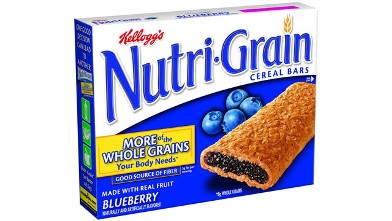
PHOTO: Kellogg's blueberry nutrigrain bars have Blue 1 in them.

Amazon inage

Blue #1 food coloring

Banned in Norway, Finland and France, Blue #1 and Blue #2 can be found in candy, cereal, drinks and pet food in the U.S., the Caltons say.

Kellogg's did not reply to multiple requests for comment about its use of Blue #1 listed as an ingredient in some Nutrigrain bars.

Michael Pariza, professor emeritus of food science and past director of Food Research Institute at the University of Wisconsin-Madison, said most food dyes are not dangerous, with the exception of Yellow #5, but they can influence our perception of food -- for better or worse.

"Taste, appearance and smell all go together. You can have the most fantastic, nutritious thing in the world, but if it looks bad and smells bad, you're not going to eat it," he said.

Blue #1 was at one point banned in several other European countries, but the EU later certified it as safe, said Lowe. Norway banned almost all food dyes from 1978 until 2001, but since then, they have had virtually the same regulations as the EU, he added.

Lowe said synthesized compounds, when used in food, "are often things that are effective in small amounts, because they're so expensive," as is the case with artificial dyes.

"People see the bright colors in cake icing and sugary cereals and figure that the stuff must be glopped on like paint, but paint doesn't have very much dye or pigment in it, either," Lowe writes in his blog.

M&Ms

PHOTO: Blue M&Ms contain blue 2.

Getty Images

Blue #2 food coloring

"Until the twentieth century, food coloring was obtained from natural sources," Jayson and Mira Calton write in "Rich Food, Poor Food." "People gathered spices, like saffron and turmeric, to add rich hues to their otherwise bland-colored foods. While this method may have been somewhat limiting in shades, at least it was safe. Today, most artificial colors are made from coal tar."

Blue #2 is listed as an ingredient in Mars' M&Ms. In a statement from Mars, the company said, "Around the globe there can be slightly different formulations and products available based on both local requirements and consumer preferences. All the colors we use in our products, no matter where they are sold, comply with our own strict internal quality and safety requirements as well as all applicable laws, regulations and safety assessments relating to colors added to food. All colors are declared on the label in accordance with applicable national laws and regulations and always meet the highest safety standards."

Lowe said the concern about blue food dye's connection to brain cancer is "unproven," referring to studies in the 1980s with Blue #2. Lowe said rats were fed the dye over a long period in much larger concentrations -- up to 2 percent of their total food intake -- than even the most dedicated junk-food eater could encounter.

"Gliomas were seen in the male rats, but with no dose-response, and at levels consistent with historical controls in the particular rat strain. No one has ever been able to find any real-world connection," Lowe wrote.

Kraft Macaroni and Cheese
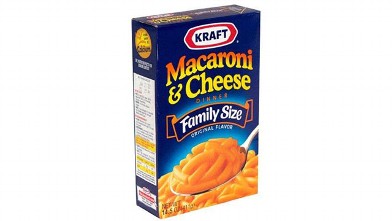
PHOTO: Kraft Mac n' Cheese contains Yellow 5 and Yellow 6.

Amazon image

Yellow #5 (Tartazine), Yellow #6 food coloring

Yellow #5 is banned in Norway and Austria due to compounds benzidine and 4-aminobiphenyl, the Caltons say.

"Six of the eleven studies on yellow #5 showed that it caused genotoxicity, a deterioration of the cell's genetic material with potential to mutate healthy DNA," the book, "Rich Foods, Poor Foods," states.

Companies in the U.S. are required to list Yellow #5 in their ingredients because some people have sensitivity to it.

"Companies are so sensitive about allergies, but peanut allergies would be far more common than Tartazine," Pariza said.

Yellow #6 is banned in Norway and Finland, the Caltons say, but Lowe said the dye is approved across the EU.

Lowe said benzidine and 4-minobiphenyl are two different names for the same compound, which is known as a human carcinogen.

"But it's not a component of any food dye, certainly not of yellow #5, and it's not even any part of its chemical structure," Lowe said.

A spokeswoman for Kraft provided a statement to ABC News, stating, "The safety and quality of our products is our highest priority. We carefully follow the laws and regulations in the countries where our products are sold. So in the U.S., we only use ingredients that are approved and deemed safe for food use by the Food and Drug Administration."

The International Food Information Council has said food ingredients are "carefully regulated by the U.S. Food and Drug Administration (FDA) to ensure that foods containing them are safe to eat and are accurately labeled."

Kraft Catalina Dressing
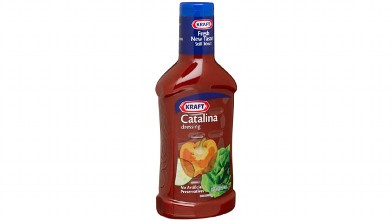
PHOTO: Kraft Catalina dressing contains Red 40.

Amazon image

Red #40

"Red #40 may contain the carcinogenic contaminant p-Cresidine and is thought to cause tumors of the immune system," according to "Rich Food, Poor Food". "In the UK, it is not recommended for children," the Caltons write, but it is approved for use in the EU.

The ingredient can be found in fruit cocktail, maraschino cherries, grenadine, cherry pie mix, ice cream, candy and other products, the Caltons say.

Lowe said he can't find evidence for risk of tumors due to Red #40 and Cresidine "is certainly not a contaminant in the dyestuff" but is one pure compound.

"There is a possibility for cresidinesulfonic acid to be produced as a metabolite, but that's a very different substance than Cresidine itself," Lowe said.

Jones said high amounts of some ingredients could be damaging to some people, but that depends on the amount of consumption and the content of one's diet in general.

"Unless you are crazy and you do drink 8 liters of pop a day, your diet is so disordered already, no wonder what you eat is toxic-- eating things in a way that never intended to be eaten," she said.

Kraft said, "The safety and quality of our products is our highest priority" and the company "carefully follow the laws and regulations in the countries where our products are sold."

Mountain Dew
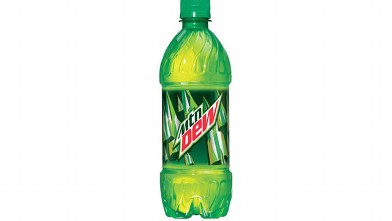
PHOTO: Mountain Dew contains bvo.

Amazon image

Brominated vegetable oil

Brominated vegetable oil, or BVO, acts as an emulsifier in soda and sports drinks, preventing the flavoring from separating and floating to the surface. The ingredient is banned more than 100 countries because it contains bromine, a chemical whose vapors can be corrosive or toxic, the Caltons say.

Aurora Gonzalez, a spokeswoman for PepsiCo, which owns Mountain Dew, said, "We take consumer safety and product integrity seriously and we can assure you that Mountain Dew is safe. As standard practice, we constantly evaluate our formulas and ingredients to ensure they comply with all regulations and meet the high quality standards our consumers expect."

Lowe said the same chemical dangers of consuming a bromine directly can be said of chlorine.

Bromine-containing compounds can indeed cause bad reactions in people but not because bromine is a corrosive gas, he said.

"When a bromine atom is bonded to a carbon, as it is in BVO, it's no longer bromine-the-pure-element, any more than the chlorine in table salt is the World War I poison gas, or the phosphorus in your DNA is the burning white phosphorus found in military tracer shells," Lowe said.

PHOTO: Country hearth breads contains azodicarbonomide.

Getty Images

Azodicarbonamide

This ingredient, which can bleach flour, is banned in Australia, the U.K. and many European countries, said the Caltons, who call it an "asthma-causing" allergen. Up to 45 parts per million is considered safe in the U.S. and it's found in a wide range of breads and baked goods here.

While Lowe acknowledges the chemical can be used to "foam" foamed plastics, "the conditions inside hot plastic, you will be glad to hear, are quite different from those inside warm bread dough," he said. In that environment, azodicarbonamide doesn't react to make birurea - it turns into several gaseous products, which are what blow up the bubbles of the foam, which is not its purpose in bread dough.

While repeated or prolonged contact to the chemical may cause asthma and skin sensitization, Lowe said that refers to the pure chemical and not 45 parts per million in uncooked flour.

"If you're handling drums of the stuff at the plastics plant, you should be wearing protective gear. If you're eating a roll, no," Lowe writes.

flatbread and bagel chips
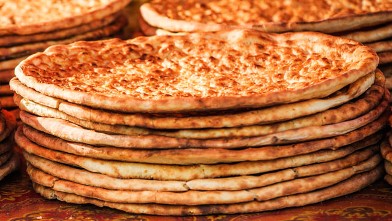
PHOTO: Flatbreads contain brominated flour.

Getty Images

Potassium Bromate (Bromated flour)

Potassium bromate, which strengthens dough, contains bromine, is also in brominated vegetable oil.

"The good news is that American bread manufacturers tell us that it disappears from the product during baking and deem that potassium bromate is safe as there is only negligible residue," the Caltons write in their book. "However, the pastry chefs in Paris disagree. In fact, government regulatory bodies in Europe, Canada, China, and many other regions have banned the use of this additive. In California, if potassium bromate has been added, a product must carry a warning label."

Lowe points out that bromate is different from bromide and bromine.

"Chloride is the anion in table salt, but it's also the anion in hydrochloric acid. Hypochlorite anion is laundry bleach," said Lowe. "Perchlorate anion is in solid rocket fuel. They're all different; that's the point of chemistry."

Olestra (Olean)

Olestra fat substitute is banned in the U.K. and Canada because it causes a depletion of fat-soluble vitamins and carotenoid, the Caltons say, "robbing us of vital micronutrients that our foods should be delivering."

It is found in Ruffles Light and Lay's WOW chips. Frito-Lay did not return a request for comment about its use of Olestra.

Lowe acknowledges that the non-caloric fat substitute interferes with the absorption of fat-soluble vitamins, "but potato chips are not a very good source of vitamins to start with," he writes.

He also points out that Olestra is found only in two brands of potato chips, "since it was a major failure in the market."

"And vitamin absorption can be messed with by all kinds of things, including other vitamins (folic acid supplements can interfere with B12 absorption, just to pick one). But I can agree with the plan of not eating the stuff: I think that if you're going to eat potato chips, eat a reasonable amount of the real ones," he writes in his blog.

Chex
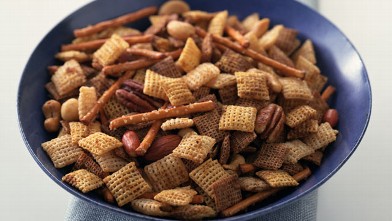
PHOTO: Chex mix contains Bha/BHT.

Getty Images

Butylated Hydroxyanisole (BHA) and Butylated Hydroxytoluene (BHT)

Banned in England, and other European countries, "these waxy solids act as preservatives to prevent food from becoming rancid and developing objectionable odors," the Caltons write.

The state of California lists this ingredient as a possible carcinogen.

General Mills did not respond to a request about its use of BHT in Chex cereals.

Lowe said that BHT is approved by the EU and, "Animal studies notwithstanding, attempts to correlate human exposure to these compounds with any types of cancer have always come up negative."

Some dairy
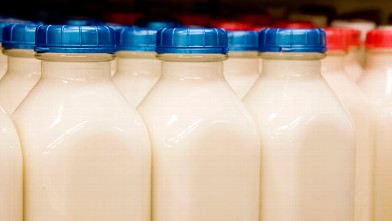
PHOTO: Non-organic dairy products contain rbst and rbgh.

Getty Images

rBGH and rBST

Recombinant bovine growth hormone and recombinant bovine somatotropin, a synthetic version of bovine growth hormone, can be found in nonorganic dairy products unless noted on the packaging.

"However, several regions, including Australia, New Zealand, Canada, Japan, and the European Union, have banned rBGH and rBST because of their dangerous impacts on both human and bovine health," the Caltons say.

American dairy producer, Stonyfield, opposes the use of rBST because of economics and cow health.

"An increase in milk supply generally leads to a drop in the price paid to farmers," Stonyfield says on its website. "Price drops have put many farms out of business."

In 1993, the FDA approved the use of rBST in dairy cows based on a review of existing scientific studies.

Beth Meyer, a spokeswoman for the American Dairy Association and Dairy Council Inc (ADADC), a regional organization representing dairy farmers in New York, northern New Jersey and northeastern Pennsylvania, said over the last 20 years rBST has been heavily researched and separate reviews by the National Institutes of Health, the joint World Health Organization/Food And Agriculture Organization Committee, the American Medical Association, as well as regulatory agencies in Canada and the European Union have corroborated the FDA's conclusion.

"RBST is one of many management tools used by U.S. dairy farmers to provide a safe, affordable food supply," she said.

Canada and several European countries have affirmed that milk produced from rBST cows is safe for human consumption. These countries don't allow the sale of rBST to local farmers for reasons including economics, social customs and general opposition to technological advances used to promote efficient food production, not human health concerns.

Bovine growth hormone (rBGH) is given to dairy cattle to increase milk production, Lowe said, and BGH levels in the milk of treated cows are not higher than in untreated ones.

"Secondly, BGH is not active as a growth hormone in humans - it's selective for the cow receptor, not the human one," he said.

Lowe points out BGH was banned in some countries due to animal welfare concerns. "As far as human health, there doesn't seem to be any evidence it's bad for humans," he said.

Chicken feed

PHOTO: Chicken feed contains arsenic.

Getty Images

Arsenic

The Caltons warn about traces of arsenic, which has been banned in all foods in the EU, that can be found in some chicken feed.

Last month, Johns Hopkins University scientists said they found amounts of arsenic in chicken that exceeded naturally occurring levels.

But the National Chicken Council says chickens raised for meat or broilers (for meat production) are no longer given any feed additives containing arsenic.

"Broilers used to be given a product called Roxarsone which contained trace amounts of arsenic, but it was pulled from the market in 2011 and is no longer manufactured. No other products containing arsenic are currently fed to broilers in the U.S." said Tom Super, spokesman for the council.

Lowe points out that 100 parts per billion of inorganic arsenic have been found in white rice, though he said that doesn't pose a human health risk.

Arsenic can be found in groundwater supplies in a number of countries, according to the World Health Organization.

"It's very hard to have a diet anywhere in the world that doesn't have a trace amount of arsenic," Jones said.

h/t to Tim Conway Jr. and TLA

Related: 

Is This Why the Europeans Don't Get Sick Like Americans Do? 

How Cells from an Aborted Fetus are Used to Create Novel Flavor Enhancers 

Stop Junk Food Marketing to Kids 

Americans Eat the Cheapest Food in the World, But What is It Really Costing? 

Some Baby Foods are Worse Than Junk Food 

Mad moms to food police: We'll eat what we want 

OBESITY CONSPIRACY: The U.S. Government Scandal that's Really Making You Fat 

Japan Cancels GMO Wheat Order After Concerns Over U.S. Grain Developed By Monsanto

Also checkout:  Wheat Belly: Lose the Wheat, Lose the Weight, and Find Your Path Back to Health/(Kindle) 

Perils of Peanuts and Peanut Butter… Even Organic 

Margarine Verses Butter 

Splenda - safer than aspartame but is it really safe? 

You Are What You Eat: 7 Food Additives That Are Secretly Making Us FAT 

12 Food Additives to Remove From Your Diet 

Whole Foods Vows to Label GMO’s by 2018   

The Dangers of Genetically Modified Ingredients in Pet Food 

Dr Mercola: Bill Gates: One of the World’s Most Destructive ‘So-Called’ Do-Gooders? (Plus: Monsanto and GMO Foods) 

Monsanto Shill And USDA Secretary Tom Vilsack Says Government Will Change The Way Citizens Eat 

World Wide Obesity Epidemic 

Are You Eating, Drinking and Breathing Monsanto’s New ‘Agent Orange’?  

GM Foods Not Served in Monsanto Cafeteria 

Would You Vote for a Food Bill Monsanto Supports?

George Soros and Food Safety 

PDF File:  Liar, Liar: FDA Secrets, Scandals & Slip Ups! 

Dumbing Down Society Part 1: Foods, Beverages, and Meds (Media and Education

Senate Bill S.510 Passed… Quickly Explained Here

Saturday, February 23, 2013

Why Weight Loss Surgery is NOT a Sound Treatment Choice for Type 2 Diabetes

Story at-a-glance

  • The Cleveland Clinic has chosen weight loss surgery as a treatment for type 2 diabetes as the number one medical invention for 2013, for the unbelievably ludicrous reason that Medicaid and other health insurance will now pay for it, not because it is effective
  • Bariatric surgery as a treatment for type 2 diabetes is a prescription for the most invasive and costly (not to mention risky) intervention possible for a problem that is firmly rooted in a faulty diet and lack of exercise. Virtually 100 percent of type 2 diabetes cases can be successfully treated and reversed through appropriate lifestyle changes
  • Complications occur for both types of weight loss surgery, gastric banding and the more invasive gastric bypass. Research has shown your risk of dying within 30 days of gastric bypass surgery is 1 in 50, and 60 percent of patients who undergo gastric banding need to have additional surgery
  • Your diet is not only the most effective way to reverse type 2 diabetes, it’s the ONLY way to correct the true underlying cause of diabetes, which is faulty insulin and leptin signaling. To reverse the disease, you need to recover your body's insulin and leptin sensitivities through proper diet and exercise, as detailed in my free nutrition plan

Weight Loss Surgery

By Dr. Mercola

The Cleveland Clinic recently published its "Top 10 Medical Inventions for 2013" list1. Doctors and researchers at the Clinic voted for what they thought were the most significant inventions out of 250 submitted ideas.

Noted medical inventions include an implantable neuromodulation device for the treatment of severe cluster headaches, a handheld melanoma detection device, a novel prostate cancer drug, and breast tomosynthesis (a.k.a 3D mammography).

But shockingly, and really almost unbelievably, topping the list at number one is using bariatric surgery for the treatment of type 2 diabetes.

According to the Cleveland Clinic:

"Surgery for obesity, often called bariatric surgery, shrinks the stomach into a small pouch and rearranges the digestive tract so that food enters the small intestine at a later point than usual.

Over the years, many doctors performing weight-loss operations found that the surgical procedure would rid patients of Type 2 diabetes, oftentimes before the patient left the hospital.

To explore this diabetes treatment hypothesis, 150 patients with Type 2 diabetes and obesity were enrolled in a study in 2007. 50 patients had gastric bypass surgery.

This is a procedure that reduces stomach volume from the size of an inflated football to a golf ball size; 50 had a sleeve gastrectomy surgery, which reduces the stomach from the size of a football to that of a banana; and 50 were offered counseling in nutrition and exercise while they continued taking their diabetes medication.

By closing off most of the stomach to food, people who received bariatric surgery ate less and, therefore, lost weight. Patients in the study lost about five times as much weight on average as those only taking bloodsugar-lowering medications.

The study results, published in the New England Journal of Medicine in 2012, astounded the medical world.

Compared with patients taking diabetes medication and receiving lifestyle counseling, those who had bariatric surgery were far more likely to be free of diabetes or to have reduced their dependence on diabetes medications for at least two years. The weight-loss surgery also helped many to lower their blood pressure and cholesterol. Most of the patients went from a dozen or more medications daily to none or just a few."

Dr. Michael Roizen, Cleveland Clinic Chief Wellness Officer, told Reuters2:

"Bariatric surgery has been around for a while. The reason it was chosen as the top innovation is because Medicare has broadened its indication for payment, and Medicaid in many states follows Medicare.

A lot of the other (private) insurance companies started covering it, so it's much more accessible. The criteria that insurers use to cover the surgery has been broadened because of its effectiveness in controlling Type 2 diabetes."

While this will probably sound wonderful to some, there's no doubt in my mind that this is absolutely the wrong treatment and not at all an appropriate solution for the vast majority of people, and that's what this list is all about — one of the primary criteria for making it onto the list was the number of people the product or procedure can potentially help.

Bariatric surgery as a treatment for type 2 diabetes is a prescription for the most invasive and costly (not to mention risky) intervention possible for a problem that is firmly rooted in a faulty diet and lack of exercise... What makes this recommendations particularly troublesome is that virtually 100 percent of type 2 diabetes cases can be successfully treated and reversed through appropriate lifestyle changes!

It's also blatantly clear (they even state it outright) that it topped the list because Medicare (i.e. your tax dollars) will now pay for it, NOT because it's been proven safe and effective.

On the contrary, they appear to base their opinion on the results from a singular study. This is probably ill advised.

Dr. John Ioannidis of the Stanford School of Medicine in California warns against placing too much faith in singular medical studies showing large effects of medical treatment (benefits or harms). His massive analysis, recently published in JAMA,3 tracked the fate of thousands of studies, from the effects demonstrated in the initial study, compared to the effects elucidated in subsequent trials.

Interestingly, in 90 percent of cases where "very large" effects were initially reported, such effects shrank or vanished altogether as subsequent studies were done to confirm the results. Dr. Ioannidis told Reuters4:

"Our analysis suggests it is better to wait to see if these very large effects get replicated or not... Keep some healthy skepticism about claims for silver bullets, perfect cures, and huge effects."

In the case of weight loss surgery, there are already a number of studies showing both bariatric surgery and gastric banding are very risky procedures that produce poor long-term outcomes! But of course, that only means the revenue stream from those suffering with type 2 diabetes will continue to flow, and apparently that's what really matters and drives medical recommendations in the US...

Nearly Half of Weight Loss Surgeries Result in Major Complications

All surgeries have inherent risks, but bariatric surgeries seem to have a much higher ratio of complications. Complications occur for both types of weight loss surgery, gastric banding and the more invasive gastric bypass.

For example, a study from 20045 reported that the risk of dying within 30 days of gastric bypass surgery was 1 in 50. And, within the surgeon's first 19 procedures, the odds of death within 30 days were 4.7 times higher, due to inexperience.

Gastric banding consists of surgically inserting a band around the top section of your stomach, and cinching it into a small pouch. This is often touted as a simpler, less invasive procedure to gastric bypass, and whereas gastric banding is at least reversible, while gastric bypass is not, the complications are often so debilitating that patients opt to have the bands removed completely. According to research6 published last year, nearly 40 percent of patients who undergo gastric banding experience major complications, including:

Band erosion
Malnutrition
Infection

Kidney stones
Bowel and gallbladder problems
Liver failure

Black-outs
Increased risk of death
Abnormal band expansion

Furthermore, the study found that:

  • Nearly 50 percent of patients required removal of their bands
  • Nearly 1 out of 3 patients experienced band erosion
  • 60 percent needed to undergo additional surgery

The researchers concluded that:

"LAGB [laparoscopic adjustable gastric banding] appears to result in relatively poor long-term outcomes."

Even according to LapBand.com, one American clinical study that included a 3-year follow-up reported a staggering 88 percent of gastric banding patients experienced one or more adverse events, ranging from mild to severe. Common complications, from gastric banding included the following -- and keep in mind that excess weight increases your risks even further, which means everyone who undergoes weight loss surgery is at even greater risk:

Gastroesophageal reflux
Band slippage and/or pouch dilation
Stomach obstruction

Esophageal dilation
Reduced esophageal function
Difficulty swallowing

Leaking or twisted access port into the stomach
Band eroding into the stomach

Gastric Bypass Will Wreak Havoc on Your Digestive Processes and Ability to Absorb Nutrients

Gastric bypass involves stapling your stomach into a pouch that's only a half-ounce in size, so it literally cannot hold much. The idea is that you'll feel full faster, since your stomach will be unnaturally tiny, but this also means you'll often be eating meals that are sorely lacking in nutritional requirements.

A small opening is also created to allow food to empty slowly from the pouch. Because the opening is so small (made this way deliberately to keep the small amount of food you've eaten in your stomach longer, making you feel "full"), food must be chewed very thoroughly or it won't be able to fit through the opening, leading to vomiting.

You'll also be instructed to eat the protein portion of your meal first, because you very well may get too full to fit in a vegetable or anything else. Even liquids must be restricted for up to 45 minutes before and after a meal, lest they take up what little space you have to consume actual food. As you might suspect, because bariatric surgery patients can consume very little roughage, constipation is often a problem. It is even described as "normal" to have a bowel movement only once every two or three days!

Snacking is also expressly forbidden after gastric bypass, as you're only allowed three small meals a day, and you may have to write off certain foods entirely because your body just can't digest them anymore. This includes red meats, skins of fruits and vegetables (where the bulk of the antioxidants are) and fibrous vegetables. This is simply NOT a healthy way of eating, and the long-term implications are just as severe as the short-term risks. Hair loss and muscle loss are common after the surgery -- both signs that your body is not receiving proper nutrition.

Proper Diet — The Most Important Strategy to Reverse Type 2 Diabetes

What makes this so frustratingly ironic, if not downright tragic, is that your diet is not only the most effective way to reversetype 2 diabetes, it's the ONLY way! Yet the medical community keeps coming up with one bad diabetes treatment after the other, and I think they've really hit it out of the park with this one — all because Medicare and insurance companies will pay for it...

Seven years ago, Dr. Ron Rosedale wrote the article Doctors Cause Diabetics to D.I.E., and if you have type 2 diabetes, or know someone who does, you'd be well advised to read what he has to say on this matter.

"I have been incensed about the traditional medical treatment of diabetes for decades," Dr. Rosedale writes. "Diabetics have been told that they can eat meals multiple times daily that turn into sugar and even sugar itself, as long as they take enough insulin to lower their blood sugar.

The importance of limiting the intake of sugar and foods that turn into sugar has been almost totally ignored. There has been virtually no recognition that high levels of insulin are at least as much of an insult to a person's health as high levels of sugar (see Insulin and its Metabolic Effects).

With blinders on, drugs have been and are still being given to lower blood sugar, even though they essentially whip the islet cells of the pancreas to produce more insulin. These unfortunate, overstressed islet cells have been producing excess insulin for years and often decades to try to compensate for the insensitivity, the resistance of the body's cells to insulin's signal.

This is much like whipping a horse to run faster at the end of a race; it runs faster for a little while, but if you keep doing it, it collapses and dies.

So too do the islet cells that manufacture insulin in the pancreas die when drugs, nay doctors, whip them to keep producing more insulin when they are tired and sick. At this point, a diabetic, who originally had plenty of insulin being produced, and whose problem was merely one of insulin resistance that is easily remedied via proper treatment and diet, now starts losing the ability to produce insulin and becomes, in addition to insulin resistant, insulin deficient; a much more serious and problematic disorder caused by Doctor Induced Exacerbation (DIE)."

Reversing Type 2 Diabetes Sans Surgery or Drugs

Amazingly, one in four Americans has some form of diabetes or pre-diabetes. If this is not a clear sign that conventional health recommendations are flawed, I don't know what is.

I too have personal experience with this disease. I developed it myself at one time, and most of my paternal relatives (my dad included), have, or have died from, diabetes. My personal experience with diabetes and subsequent review of the literature made it VERY clear to me that virtually every case of type 2 diabetes is reversible... And the cure for type 2 diabetes has NOTHING to do with giving insulin or taking drugs to control your blood sugar. In fact, giving insulin to someone with type 2 diabetes is one of the worst things that can be done. Any physician still doing this suffers from profound ignorance of insulin physiology.

It's important to understand that many of the conventional recommendations for treating diabetes are not only flawed but dead wrong. If you need a refresher, please review my previous article, Deaths Halt Diabetes Study. Once you understand that type 2 diabetes is a fully preventable condition that arises from faulty leptin signaling and insulin resistance, the remedy will become clear.

To reverse the disease, you need to recover your body's insulin and leptin sensitivities!

How do you do that? As mentioned earlier, the ONLY way to accomplish this is through proper diet and exercise, as detailed in my free Nutrition Plan. Surgery will not do the trick, and there is NO drug that can correct leptin signaling and insulin resistance... Adhering to the following guidelines can help you do at least three things that are essential for successfully treating diabetes: recover your insulin/leptin sensitivity; normalize your weight; and normalize your blood pressure:

  • Severely limit or eliminate sugar and grains in your diet, especially fructose which is far more detrimental than any other type of sugar. Following my Nutrition Plan will help you do this without too much fuss.
  • Exercise regularly. Exercise is an absolutely essential factor, and without it, you're unlikely to get this devastating disease under control. It is one of the fastest and most powerful ways to lower your insulin and leptin resistance. If you're unsure of how to get started, I recommend reviewing my Peak Fitness program for tips and guidelines.
  • Avoid trans fats.
  • Get plenty of omega-3 fats from a high quality, animal-based source, such as krill oil.
  • Optimize your vitamin D levels. Recent studies have revealed that getting enough vitamin D can have a powerful effect on normalizing your blood pressure and that low vitamin D levels may increase your risk of heart disease.
  • Optimize your gut flora. Your gut is a living ecosystem, full of both good bacteria and bad. Multiple studies have shown that obese people have different intestinal bacteria than lean people. The more good bacteria you have, the stronger your immune system will be and the better your body will function overall. Fortunately, optimizing your gut flora is relatively easy. You can reseed your body with good bacteria by eating fermented foods (such as fermented vegetables, natto, raw organic cheese, or raw milk kefir) or by taking a high quality probiotic supplement.
  • Address any underlying emotional issues and/or stress. Non-invasive tools like the Emotional Freedom Technique can be helpful and effective.
  • Get enough high-quality sleep every night.
  • Monitor your fasting insulin level. This is every bit as important as your fasting blood sugar. You'll want your fasting insulin level to be between 2 and 4. The higher your level, the worse your insulin sensitivity is.

Monday, November 28, 2011

Lemons and Cancer

clip_image001

This is something that we should all take seriously – just had a recent test myself that sent shivers up my spine – or near by – Even doctors are now saying that there is value in trying “LEMON”

So, a tablespoon of "real lemon" (the concentrate in a bottle) in a glass of water every morning.  Put the lemon in half a cup of warm water and add a tablespoon of pure natural syrup and you have a great weight loss program as well (drink that 3-times per day)

This is the latest in medicine, effective for cancer!

Read carefully and you be the judge.

Lemon (Citrus) is a miraculous product to kill cancer cells.

It is 10,000 times stronger than chemotherapy.

Why do we not know about that?

Because there are laboratories interested in making a synthetic version that will bring them huge profits.

You can now help a friend in need by letting him/her know that lemon juice is beneficial in preventing the disease.

Its taste is pleasant and it does not produce the horrific effects of chemotherapy.

How many people will die while this closely guarded secret is kept, so as not to jeopardize the beneficial multimillionaires large corporations? As you know, the lemon tree is known for its varieties of lemons and limes.

You can eat the fruit in different ways: you can eat the pulp, juice press, prepare drinks, sorbets, pastries, etc...

It is credited with many virtues, but the most interesting is the effect it produces on cysts and tumors.

This plant is a proven remedy against cancers of all types.

Some say it is very useful in all variants of cancer.

It is considered also as an anti microbial spectrum against bacterial infections and fungi, effective against internal parasites and worms, it regulates blood pressure which is too high and an antidepressant, combats stress and nervous disorders.

The source of this information is fascinating: it comes from one of the largest drug manufacturers in the world, says that ,after more than 20 laboratory tests since 1970, the extracts revealed that:

It destroys the malignant cells in 12 cancers, including colon breast, prostate, lung and pancreas ...

The compounds of this tree showed 10,000 times better than the product Adriamycin, a drug normally used chemotherapeutic in the world, slowing the growth of cancer cells.

And what is even more astonishing: this type of therapy with lemon extract only destroys malignant cancer cells and it does not affect healthy cells.

Institute of Health Sciences, 819 N. L.L.C. Charles Street Baltimore, MD 1201.

Sunday, May 10, 2009

Why Not To Eat at the Computer, While Reading, While Watching TV or While Distracted

Ever sit down at the computer with a family-size bag of chips, only to find it nearly empty by the time you log off? 

There's a scientific reason for it. Normally, if you eat the same food for a period of time, your palate gets "tired." You feel full sooner and don't want as much. This is known as sensory-specific satiety. But get distracted -- by reading the latest celebrity gossip, catching up on e-mail, or playing computer games -- and this appetite-control mechanism gets turned off. 

Your palate is primed for variety. Ever notice how there's always room for dessert, even when you're stuffed? The greater the variety of food, the more you're likely to eat. The opposite is also true: Take away variety and you feel fuller sooner. It's a trick you can use to your advantage. According to the RealAge Docs, you're less likely to overeat -- and more likely to lose weight -- if you eat the same thing for at least one of your meals, day in and day out. Aim for overall variety within a weeklong period, not with each meal. 

In a study, women who ate snack cakes while playing a video game wanted to eat more of the food -- not less -- compared to the women who ate without any distraction. The game players also had a greater desire to snack on other available munchies, and their desire to eat lingered after the study ended. 

So do your best not to watch TV, spend time on the computer, read, or otherwise distract yourself when eating. You'll be satisfied with less and feel fuller sooner. And focusing on eating might help prolong the time between meals.

Source:  RealAge

Saturday, May 9, 2009

Blueberries Reduce Belly Fat and Diabetes Risk

berries, blueberry, blueberries, heart disease, cardiovascular disease, diabetes, metabolic syndrome, obesity, belly fat, abdominalEating blueberries could help you get rid of belly fat, and a blueberry-enriched diet could stem the conditions that lead to diabetes.

New research gives tantalizing clues to the potential of blueberries in reducing risk factors for cardiovascular disease and metabolic syndrome. The effect is thought to be due to the high level of naturally occurring antioxidants called phytochemicals contained in blueberries.

Researchers studied the effect blueberries had when added to the diet of rats. After 90 days, rats that received a blueberry-enriched diet had less abdominal fat, lower triglycerides, lower cholesterol, and improved fasting glucose and insulin sensitivity.

Dr. Mercola''s CommentsDr. Mercola's Comments:

The benefits of eating fruits and vegetables are undisputed, but modern research keeps showing us just how they help you to optimize your health.

Berries are some of the most nutritious foods on the planet. In the case of blueberries, naturally occurring phytochemicals such as anthocyanins can do wonders to normalize and improve your health. And berries, in general, are also high in fiber and relatively low in sugar, so they won’t stimulate severe insulin swings if eaten in moderation.

Berries are best eaten in their raw, natural state, as heating and freezing can damage antioxidants. However, some antioxidants will remain even after heating or freezing.

The Blue Wonder Berry

Blueberries contain vitamins A and C, zinc, potassium, iron, calcium and magnesium, and are high in fiber and low in calories. Additionally, researchers at the USDA Human Nutrition Center (HNRCA) have ranked blueberries number one in antioxidant activity when compared to 40 other fresh fruits and vegetables, so there are many reasons for adding blueberries to your diet.

They are associated with numerous health benefits, including natural protection against:

And, according to the latest research presented in the article above, blueberries may also offer protection against metabolic syndrome (which can lead to diabetes), the accumulation of abdominal fat, and reduce your risk of cardiovascular disease.

These findings strengthen previous discoveries of the berry’s powerful impact on cardiovascular health.

Because in addition to anthocyanin – which gives the berry its deep blue color -- blueberries also contain an antioxidant compound called pterostilbene, which has been found to reduce cholesterol as well as prescription drugs. (It shares similar qualities to another cholesterol-reducing antioxidant, resveratrol, which is found in both grapes and red wine.)

As an interesting side note, another unusual way to benefit from blueberries is to add them to your ground beef before cooking (ideally at low temperatures) as they help prevent cancer-causing heterocyclic amines (HCA) from forming in the meat.

How Blueberries Protect Against Metabolic Syndrome

Metabolic syndrome -- also sometimes referred to as pre-diabetes -- is a conglomerate of health problems that include high amounts of abdominal fat, high blood pressure, elevated blood sugar, and high triglycerides. When combined, these conditions increase your risk of cardiovascular disease, heart attacks, strokes and diabetes.

In this latest study, rats that consumed blueberry-enriched powder as two percent of their diet had less abdominal fat, lower triglycerides, lower cholesterol, and improved fasting glucose and insulin sensitivity after 90 days, compared to the control group.

Additionally, they found that blueberry intake affected genes related to fat-burning and storage. And when they looked at muscle tissue, they saw alterations in genes related to glucose uptake.

This is interesting as another recent study concluded that metabolic syndrome is likely not caused primarily by abdominal fat, as previously thought, but rather by insulin resistance in your skeletal muscle, which leads to changes in energy storage – which in turn leads to metabolic syndrome.

Insulin resistance is clearly a key factor in metabolic syndrome, and as I’ve stated on countless occasions, the prescription for insulin resistance is diet and exercise. 

It’s good to know that eating something as delicious as blueberries can actually help improve your insulin sensitivity.

The Two Best Prescriptions Against Belly Fat and Diabetes

Exercise is your number one ally here, both for shedding unwanted body fat and normalizing your insulin levels.

It can also help you sleep better, which turns out to be another important factor if you want to avoid excess pounds around your midsection. In my recent article 4 Ways to Shed Belly Fat, I explain the little-known connection between your sleeping habits and your body’s ability to shed abdominal fat.

Keep in mind that when you’re exercising to achieve weight loss, you’ll want to focus on weight bearing exercises, as muscle burns calories quite efficiently. In my experience, non-weight bearing exercises, like swimming and bicycling, are not as efficient or effective for weight loss. You’ll typically need to exercise four times as long in these activities to receive the same benefit of running or using an elliptical machine, or performing other aerobic activities.

And, to really maximize your weight loss efforts, make sure you include high-intensity interval exercises and strength training in your program.

When it comes to diet, you’ll clearly want to stay away from any foods that raise your insulin levels, namely grains and sugars, and of course, processed foods.

But in addition to that, perhaps the most effective way of making sure you’re eating the optimal diet for you is to determine your specific nutritional type. Because what’s healthy for others may not necessarily be healthy for you, and vice-versa.

When battling either belly fat or diabetes – or both -- remember that controlling your insulin levels is as important to optimizing your weight as it is to protecting you against diseases like diabetes.

Because as your insulin levels increase, your body starts to store carbohydrates as fat while at the same time not releasing stored fat. This makes it impossible for you to use your own stored body fat for energy. So excess refined and processed carbohydrates in your diet (such as breads and pasta) not only make you gain weight, they make sure you keep that weight on.

By cutting grains and sugars from your diet, combined with a regular exercise program, you can significantly improve your chances of successful weight loss, and effectively protect yourself against diabetes and a whole host of other diseases.

Posted:  TrueHealthIsTrueWealth

Friday, May 1, 2009

Hydroxycut products recalled after one death: FDA

Fri May 1, 2009 3:56pm EDT
 

* Weight-loss products linked to liver damage

* Two supplements can still be sold

By Lisa Richwine

WASHINGTON (Reuters) - The maker of the widely sold Hydroxycut weight-loss supplements is recalling 14 products after reports of liver damage and one death, U.S. health officials said on Friday.

The Food and Drug Administration urged consumers to immediately stop using the recalled products, which are made by Iovate Health Sciences Inc and marketed for weight loss, boosting energy and other uses.

"The FDA urges consumers to discontinue use of Hydroxycut products in order to avoid any undue risk. Adverse events are rare, but exist," said Dr. Linda Katz, interim chief medical officer in the FDA's Center for Food Safety and Applied Nutrition.

The agency has received 23 reports of liver problems ranging from jaundice to damage that required a liver transplant, Katz said. One person died.

Other reports also documented seizures, cardiovascular disorders and rhabdomyolysis, a type of muscle damage that can lead to kidney failure, the FDA said.

A message on the voice mail for Iovate Health Sciences in Ontario, Canada said the products were being recalled. Company officials could not be reached for further comment.

The company agreed to voluntarily pull the 14 products even though the FDA has not seen reports of serious harm with all of them, Katz said. Agency officials are investigating which doses and ingredients may be harmful, she said.

Two products with different ingredients, Hydroxycut Cleanse and Hoodia, were not included in the recall.

The recalled products contain a variety of ingredients including herbal extracts. They are sold as dietary supplements, which do not require the evidence of safety and effectiveness needed for medicines before they can be sold.

Critics say supplements need more oversight.

A 2007 law required manufacturers to turn over reports of problems with consumers, helping the FDA better monitor potential side effects, agency officials said.

"These reports are vital in helping FDA identify unsafe dietary supplements," said Vasilios Frankos, head of the FDA's Division of Dietary Supplement Programs.

People who took the recalled products should consult a doctor if they have symptoms of liver injury such as nausea, vomiting, light-colored stools, excessive fatigue, weakness, stomach pain, itching or loss of appetite, the FDA said.

The recalled products include Hydroxycut Regular Rapid Release Caplets, Hydroxycut Carb Control and Hydroxycut Max Drink Packets. A full list was included in the FDA announcement here

(Additional reporting by Susan Heavey, Editing by Gerald E. McCormick, Steve Orlofsky, Leslie Gevirtz)

Source:  Reuters

Related Resources:

Wednesday, April 22, 2009

Depression Checklist

Start by checking off any symptoms of depression that you have had for two weeks or longer, or that you’ve noticed in the family member or friend you’re concerned about. Focus on symptoms that have been present almost every day for most of the day. Then look at the key below. (The exception is the item regarding thoughts of suicide or suicide attempts. A check mark warrants an immediate call to a doctor.)  
  • I feel sad or irritable.
  • I have lost interest in activities I used to enjoy.
  • I’m eating much less than I usually do and have lost weight, or I’m eating much more than I usually do and have gained weight.
  • I am sleeping much less or more than I usually do.
  • I have no energy or feel tired much of the time.
  • I feel anxious and can’t seem to sit still.
  • I feel guilty or worthless.
  • I have trouble concentrating or find it hard to make decisions.
  • I have recurring thoughts about death or suicide, I have a suicide plan, or I have tried to commit suicide.
 
Depression and dysthymia. If you checked a total of five or more statements on the depression checklist, including at least one of the first two statements, you (or your loved one) may be suffering from an episode of major depression. If you checked fewer statements, including at least one of the first two statements, you may be suffering from a milder form of depression or dysthymia.
Source:  The Depression Center
Posted:  True Health Is True Wealth
Related Articles:

Tuesday, April 21, 2009

10 Exercises to Trim 10 Pounds in 10 Days

Perform these exercises daily, and you should drop pounds so fast your clothes won't be able to keep up! And they're easy to do—no matter your age or condition.

• PUSH yourself away from the dining table.
• BAG the second helping.
• CLOSE the kitchen after supper.
• JUMP at the chance to use the stairs.
• WALK past the doughnut shop.
• STUFF the impulse to supersize your portions.
• PACK half your restaurant meal and take it home.
• LOSE the remote to your television.
• PUT the cookies that are in your grocery cart back on the shelf.
• CARRY your willpower with you wherever you go.

The more you practice these exercises, the more you'll get in touch with the "athlete within"—the person who has been struggling to come out and play. Who knows? Once you get started, you may end up adding your own exercises to this list.

By Carol Carson

Source:  AARP's Fat2Fit Program

Posted:  TrueHealthIsTrueWealth

TaiSlim - The Weight Is OverTaiSlim - The Weight Is Over

Tuesday, November 4, 2008

Splenda Linked to Weight Gain

The sugar replacement Splenda has been linked to weight gain by a study conducted by North Carolina’s Duke University. In addition to weight gain, Splenda, which is used by millions of dieters and also in numerous diet versions of popular products, has also been alleged to hamper the effect of some medications.

Splenda (generic name: sucralose) is made from sugar, giving it a more “natural” appeal to consumers. However, the controversial new study, which was partially funded by the Sugar Association, showed that rats fed varying doses of Splenda over a three-month period gained more weight than a control group which was not given Splenda. Further, the researchers noted “significant reductions” in beneficial bacteria in the rats’ digestive tracts, as well as additional changes in the gut which could likely interfere with the absorption of some medicines.

A spokesman for McNeil Nutritionals, the company that markets Splenda, said, “Splenda is suitable for everyone—it’s undergone a thorough safety evaluation as required by regulatory agencies around the world. They all agree sucralose is safe.” Splenda, which is 600 times sweeter than sugar and twice as sweet as saccharin, has a 62 percent share of the low-calorie sweetener market in the U.S. and abroad. 

Wednesday, September 24, 2008

Mufas - The Trick To A Flat Stomach and to Losing Weight

The trick to a flat stomach and losing weight is having MUFAs at every meal and snack. What is a MUFA? It stands for monounsaturated fatty acid, which is found in nuts, seeds, avocadoes, olives and flax and olive oils, and dark chocolate. So walnuts in my cereal? Flaxseed oil in my smoothie? Tapenade in my turkey wrap? Guacamole with my dinner? Totally doable!

"Jumpstart" your diet for about 4-days by having Mufas at every meal and snack which is designed to not only lower the calories a bit more (an acceptable 1,200), but also reduce belly bloat and gas so you have the visual proof that your gut is deflating.

Add 2 liters of Sassy Water -- a mixture of water with a lemon, a cucumber, grated ginger and spearmint leaves each day, for the first 4-days ,strained of course, and you are on your way!

Add some GoChi and you are on your way to weight loss and good health, which truly is the greatest wealth!!

Source:  Prevention  Magazine!