Showing posts with label Splenda. Show all posts

Monday, January 23, 2012

The Aspartame Trap: You May Be Unknowingly Ingesting this Toxic Sweetener

Andre Evans  -  Activist Post

The risk of artificial sweeteners is still very real. Aspartame is used as a substitute sweetener in thousands of products. Most diet sodas, processed foods and candies contain this ‘alternative’ to sugar.

If you aren’t careful, you’ll easily run into it somewhere in your food.

Aspartame is marketed not by its real name, but through products like Equal and NutraSweet. This is because aspartame itself has a bad reputation as a dangerous excitotoxin. An excitotoxin is named for its ability to ‘excite’ the cells of the body into overproducing a particular chemical, thus burning them out prematurely. Aspartame in particular has been found to affect brain cells, by mimicking the response to sweetness and producing an artificial form of it.

One study actually found that 67% of female rats exposed to aspartame developed tumors roughly the size of golf balls or larger.

When you consume an aspartame-sweetened product, its effect can translate into a number of neurological symptoms like headaches, fatigue, vision problems, and anxiety. These will continue to manifest until the user eliminates it from their diet completely.

However, if aspartame usage is continued, a physical addiction to the substance occurs. Most people know at least one person who can’t seem to kick their diet drinks, and when they try to, they end up with a number of these symptoms. Aspartame is considered addictive, and a chemical dependency begins to form when aspartame is consumed regularly, and is hard to break.

Aspartame Linked to Cancer, Contains Genetically Modified Bacteria

Due to the neurological effect aspartame has, its continued use can be expected to lead to many forms of neurological diseases as well as cancer. Aspartame has been suggested as a prominent cause for certain forms of brain cancer as well. It is also interesting to note that aspartame is also created using Monsanto’s genetically modified bacteria, raising further cause for alarm.

But who is most at risk for unknowingly consuming aspartame?

Older people and diabetics are more likely to consume aspartame due to their desire to replace sugar with a ‘healthy’ alternative. Of course aspartame is far from a healthy alternative. Its effects can easily accelerate or compound health concerns that these individuals may already have. Similarly, children are more likely to consume aspartame due to its prominent usage in all forms of candy, snacks, and soft drinks. This would easily serve to compromise their ability to achieve optimum health, as they are still in their formative stages, and therefore aspartame can cause irrevocable damage.

Avoid this addictive drug-like substance at any cost, and replace it with a real healthy alternative like stevia. Furthermore, it will benefit you to reconsider your stance on sugar consumption in general.

Rather than look for what seems to be a shortcut or alternative, consider that simply consuming less sugar is healthier.

The Governments" philosophy has become "Delay, Deny - Until You Die."

Stand up and Occupy Your Food ...
Official US registry for Dow's petition for GMO "Agent Orange" approval. WE HAVE UNTIL FEBRUARY 27, 2012. can you please leave you comment on this link Thank you   -  h/t to AJ

Splenda – Safer Than Aspartame But Is It Really Safe?

Your Are What You Eat: 7 Food Additives That Are Secretly Making Us FAT

The 76 Dangers of Sugar

Obesity in a Lo-Cal Can

Monday, July 18, 2011

National Ice Cream Day (Month) – Did You Eat Away?

Former President Ronald Reagan made many wonderful contributions to this country, one of them being his creation of National Ice Cream Day, which falls on July 17 this year.

In 1984, Reagan dubbed July as National Ice Cream Month and the third Sunday of the month as National Ice Cream Day. Calling ice cream the “perfect dessert and snack food,” the Gipper encouraged all Americans to observe the special day with “appropriate ceremonies and activities.” Though anti-obesity advocate first lady Michelle Obama might feel uneasy about National Ice Cream Day, we invite you to indulge a little this afternoon.

According to a proclamation (Proclamation 5219, to be exact)  if you are a patriot, you will go out and eat yourself a big helping of the cold stuff. In his official 1984 proclamation, Reagan declared:

Ice cream is a nutritious and wholesome food, enjoyed by over ninety percent of the people in the United States. It enjoys a reputation as the perfect dessert and snack food. Over eight hundred and eighty-seven million gallons of ice cream were consumed in the United States in 1983.The ice cream industry generates approximately $3.5 billion in annual sales and provides jobs for thousands of citizens. Indeed, nearly ten percent of all the milk produced by the United States dairy farmers is used to produce ice cream, thereby contributing substantially to the economic well-being of the Nation’s dairy industry.

So true. Other important facts about ice cream: more ice cream is sold on Sunday than any other day of the week. The most popular flavor of ice cream in the U.S is vanilla (27.8%), followed by chocolate (14.3%), strawberry (3.3%), chocolate chip (3.3%) and butter pecan (2.8%). The most ice cream (per person) is eaten by children aged 2-12 and adults 45+. The average number of licks to consume a single scoop cone is about 50. It is delicious.

In honor of the late president and the tasty treats that cool us down during humid summers, scroll through our slideshow of ice cream pictures (see stills below). If you plan on purchasing some ice cream later today, look at our selection of photos for ideas on what to order.

(And remember the Gipper’s love for Jelly Bellys…  )

h/t to  The Daily Caller and Gothamist


Michelle Obama’s campaign to raise awareness about rising obesity, especially in children, is a good program for the First Lady to tackle.  Encouraging our young people to get away from the electronics and get outside to play, participate in sports or just enjoy the outdoors is also a good idea. Legislating what we can eat and threatening to take kids away from their parents because they are overweight is appalling, un-American and certainly un-constitutional.

Bring on the education and awareness, but food police and usurping parental rights in not okay.

Perhaps improving the economy and providing jobs would be a better focus than punishing parents who are barely making ends meet and trying to feed their families?!?  And if people had more income, they could make better food choices and purchases.  How about getting the additives that make us all fat and make us want to eat more out of the food as well, stop the government from subsidizing fast food, and how about banning the GMO foods completely? Those would be a great addition to the campaign!  And that Mrs. Obama would really be a worthy cause!

In the meantime… a little fun, happiness and dessert helps our attitude.  Beside the decline in jobs, income and discretionary income Americans have had a lot to digest and deal with since 9.11 (10 years now) and comfort food is often what the doctor orders… unless you are on ObamaCare!

Tim Making Gelato - Theatre Project

Learning to Make Gelato for New Theatre Project

Help Me Blow Out My Candle Dad

Happy 2nd Birthday Sundae at Farrell’s Ice Cream Parlor  -  My Auntie was telling me how she spent her 16th B-Day at the Farrell’s on Van Nuys Blvd with 16 Friends and that when they delivered the two Zoo’s they dropped one on one of her guests.  Mad me smile!  Winking smile 

So if you missed National Ice Cream Day on the 17th… enjoy some today!  It has been a hot summer!!  And the key to healthy eating… is everything in moderation, even some good desserts!

Posted by Ask Marion  -  Photos by the UCLA Shutterbug 

Fast Food Nation: The Dark Side of the All-American Meal

You Are What You Eat: 7 Food Additives That Are Secretly Making Us FAT

I'm here to tell you that the food industry is lying to you. There are many "safe" food additives on the market that really are NOT SAFE!! Yes, you heard me right AND I will give you a small list of them below to prove it. These food additives are literally making you sicker, robbing you of your youth, and making you gain weight!

Food additives are man-made, synthetic chemicals used to preserve foods, make them taste better, add supposed nutritional value and get this... THEY BYPASS YOUR HUNGER MECHANISM MAKING YOU CRAVE MORE AND EAT MORE FOOD! Now, let's think like the food industry for a second... If people, eat more food and increase in size, then they will crave more food and then we can sell them more food! It's a great way to make money if you really think about it. Very unethical, but brilliant. BELIEVE IT OR NOT, THIS IS HAPPENING!Look around at the American population. Do you really think that it is coincidence that 70% of the US is obese? By 2030, the Journal of Obesity is predicting that 90% of the United States will be obese.

Will You Be A Victim Too?

The sad part about this whole situation is the fact that the general public has no idea that they are being lied to. This reminds me of a quote...

"Make the lie big, make it simple, keep saying it and eventually they will believe it" - Adolf Hitler

The media is using psychological marketing tactics to make you believe that foods that are "fat free" are healthy and helping you to lose weight.

Please, please, please don't trust everything that you hear. Especially from the news, commercials, TV, radio, etc. Their job is to capture your attention and sell you things. Whether it be their belief systems or weight loss pills.

Alright, sorry about all the ranting and raving. I just get so emotional about this topic because I see people everyday in my office who suffer because they have been lied to.

The Worst Ingredients On A Food Label

High Fructose Corn Syrup (HFCS): This is a man made sweetener that is cheaper to produce and actually sweeter than sugar. There are actually new commercials touting how healthy HFCS is. They are trying to say that it is safe and natural.

Let me ask you this: Can you squeeze corn syrup from corn? Can mom make high fructose corn syrup at home? NO! It's a lie! Remember the quote above? HFCS is anything but natural and will actually shut off your hunger mechanism allowing you to eat without feeling full which will MAKE YOU FAT!

It is associated with blood sugar problems (ATTENTION Moms: Childhood obesity, and Juvenile Diabetes is on the rise! So is ADD/ADHD. HFCS is a huge culprit!) depression, fatigue, B vitamin deficiency, indigestion and tooth decay.

HFCS is found in soda, candy, condiments, cereals, breads, etc.

Mono Sodium Glutamate (MSG): MSG is a food flavoring that is notorious in Chinese foods. It is also hidden in a variety of other foods and goes by many different names: hydrolyzed vegetable protein, hydrolyzed plant extract, plant protein extract, sodium caseinate, yeast extract, texturized protein, autolyzed yeast, hydrolyzed oat flour, natural flavorings and calcium caseinate to name a few... there are dozens more names.

MSG is the MOST addictive substance known to man and makes you want to eat more and more! It is called an excitotoxin because it excites your brain cells to the point that it actually makes them explode and die. Sound like something good to put in you and your kids bodies?

Watch out.. it is found in everything from fast food, to kids snacks, drinks, chips, etc., allergic reactions. (80% of people are shown to be allergic to MSG)

MSG causes headaches, itching, nausea, brain, nervous system, reproductive disorders, high blood pressure.

Artificial Sweeteners: Splenda (sucralose), Nutra-Sweet (aspartame), Equal (aspartame), SweetNLow (saccharin) , sorbitol, maltodextrin, dextrose, and acefulsame are all falsely representing weight loss foods. They are very toxic to your body and will bypass your hunger mechanism, causing you to crave more food. Stay away from anything labeled fat free, lite, no fat, no calories, calorie free, sugar free, reduced sugar and reduced fat. Most of these foods have been filled with artificial sweeteners. READ YOUR LABELS! Is having no calories in your "diet" drink worth the risk?

By Dr. Michael Allen  -  Fitness Instructor & Fat Loss Factor™ Founder

Tuesday, April 12, 2011

Splenda - safer than aspartame but is it really safe?

Residents File Suit Over Splenda

Chronic cough is typically defined as a cough that persists for longer than 8 weeks. Chronic cough is not a disease, it’s a symptom and has become a recurring symptom in many people having reactions to the sweetener Splenda.

I have a friend who switched from drinking regular soda to soda’s with Splenda.  I ended up doing this research for him because he developed a cough that was so severe that he had his doctor review all his medications, was taking breathing treatments several times a day and even considered giving his beloved dog to a relative because he thought he had developed a severe allergy.  He was not sleeping and could barely eat or talk without going into a coughing fit. 

Only one week after he stopped drinking soda’s with Splenda, his cough is almost completely gone.

The Potential Dangers of Sucralose

By Dr. Joseph Mercola. D.O. - www.mercola.com - reprinted by kind permission of author (see copyright notice below)
There's a new artificial sweetener on the block and it is already in a wide range of products, some even sold in health food stores and manufactured by nutritionally-oriented companies. But is it proven safe? Does it provide any benefit to the public? Does it help with weight loss? Are there any long term human studies? Has it been shown to be safe for the environment? The answer to all of these questions is unfortunately a resounding NO.

The artificial sweetener sucralose, which is sold under the name Splenda™, is one of the up-and-coming "next generation" of high-intensity sugar substitutes. It is non-caloric and about 600 times sweeter than sucrose (white table sugar), although it can vary from 320 tp 1,000 times sweeter, depending on the food application. The white crystalline powder tastes like a lot like sugar, but is more intense in its sweetness.
How it is Manufactured

Sucralose is produced by chlorinating sugar (sucrose). This involves chemically changing the structure of the sugar molecules by substituting three chlorine atoms for three hydroxyl groups.
History

Sucralose was discovered in 1976 by researchers working under the auspices of Tate & Lyle Ltd., a large British sugar refiner. In 1980, Tate & Lyle arranged with Johnson & Johnson, the world's largest health care company, to develop sucralose. Johnson & Johnson formed McNeil Specialty Products Company in 1980 to commercialize sucralose.

In 1991, Canada became the first nation to approve the use of sucralose.

In April, 1998 the US Food and Drug Administration granted approval for sucralose to be used in a variety of food products (CLICK HERE for complete list of products using sucralose). Diet RC cola was the first US product with sucralose, introduced in May 1998.

Sucralose is not yet approved for use in most European countries, where it is still under review.

Safety Concerns

Few human studies of safety have been published on sucralose. One small study of diabetic patients using the sweetener showed a statistically significant increase in glycosylated hemoglobin (Hba1C), which is a marker of long-term blood glucose levels and is used to assess glycemic control in diabetic patients. According to the FDA, "increases in glycosolation in hemoglobin imply lessening of control of diabetes.

Research in animals has shown that sucralose can cause many problems in rats, mice, and rabbits, such as:

Shrunken thymus glands (up to 40% shrinkage)
Enlarged liver and kidneys.
Atrophy of lymph follicles in the spleen and thymus
Increased cecal weight
Reduced growth rate
Decreased red blood cell count
Hyperplasia of the pelvis
Extension of the pregnancy period
Aborted pregnancy
Decreased fetal body weights and placental weights
Diarrhea

According to one source (Sucralose Toxicity Information Center), concerning the significant reduction in size of the thymus gland, "the manufacturer claimed that the sucralose was unpleasant for the rodents to eat in large doses and that starvation caused the shruken thymus glands.

[Toxicologist Judith] Bellin reviewed studies on rats starved under experimental conditions, and concluded that their growth rate could be reduced by as much as a third without the thymus losing a significant amount of weight (less than 7 percent). The changes were much more marked in rats fed on sucralose. While the animals' growth rate was reduced by between 7 and 20 percent, their thymuses shrank by as much as 40 percent. (New Scientist 23 Nov 1991, pg 13)"

A compound chemically related to sucrose, 6-chloro-deoxyglucose, is known to have anti-fertility and neurotoxic effects, although animal studies of sucralose have not shown these effects.

According to the FDA's "Final Rule" report, "Sucralose was weakly mutagenic in a mouse lymphoma mutation assay." The FDA also reported many other tests as having "inconclusive" results.

Just how few studies currently exist on sucralose is an issue. Endurance News provides the following table illustrating this fact:

Sweetener # of Studies*
Saccharin     2374
Aspartame   598
Cyclamates 459
Acesulfame-K 28
Sucralose      19

*Number of studies determined by MEDLINE search.
In terms of safety, it is not just the original substance (sucralose) that one needs to worry about. As the FDA notes, "Because sucralose may hydrolyze in some food products...the resulting hydrolysis products may also be ingested by the consumer."
Is There Any Long-Term Human Research?

None. According to the Medical Letter on Drugs & Therapeutics, "Its long-term safety is unknown." According to the Sucralose Toxicity Information Center, the "Manufacturer's '100's of studies' (some of which show hazards) were clearly inadequate and do not demonstrate safety in long-term use."
Is Sucralose Absorbed or Metabolized?

Despite the manufacturer's claims to the contrary, sucralose is significantly absorbed and metabolized by the body. According to the FDA's "Final Rule" report, 11% to 27% of sucralose is absorbed in humans, and the rest is excreted unchanged in feces. According to the Japanese Food Sanitation Council, as much as 40% of ingested sucralose is absorbed.

Plasma sucralose has been reported to have a half-life of anywhere from 2 to 5 hours in most studies, although the half-life in rabbits was found to be much longer at about 36 hours.
About 20% to 30% of absorbed sucralose is metabolized. Both the metabolites and unchanged absorbed sucralose are excreted in urine. The absorbed sucralose has been found to concentrate in the liver, kidney, and gastrointestinal tract. According to The Sucralose Toxicity Information Center, sucralose is broken down "into small amounts of 1,6-dichlorofructose, a chemical which has not been adequtely tested in humans."

Chlorinated Pesticides

According to Consumers Research Magazine "Some concern was raised about sucralose being a chlorinated molecule. Some chlorinated molecules serve as the basis for pesticides such as D.D.T., and accumulate in body fat. However, Johnson & Johnson emphasized that sucralose passes through the body unabsorbed."
Of course, this assertion about not being absorbed is complete nonsense. As shown above, a substantial amount of sucralose is absorbed, so the argument is not valid.

According to the HAD, "The manufacturer claims that the chlorine added to sucralose is similar to the chlorine atom in the salt (NaCl) molecule. That is not the case. Sucralose may be more like ingesting tiny amounts of chlorinated pesticides, but we will never know without long-term, independent human research."
Contaminants

The FDA acknowledges that sucralose "is produced at an approximate purity of 98%." While that may sound pretty pure, just what is in that other 2%? It turns out that the final sucralose product contains small amounts of potentially dangerous substances such as:
Heavy Metals (e.g., Lead)
Arsenic
Triphenilphosphine Oxide
Methanol
Chlorinated Disaccharides
Chlorinated Monosaccharide

Although manufacturing guidelines do specify limits on these substances there is no guarantee that such limits will always be met.

Environmental Concerns

Despite the fact that a portion of sucralose is metabolized into some chemicals of questionable safety, a majory of the consumed sucralose is excreted unchanged in the feces and urine. While that may be good for the person using the product, it may not be so great for the environment.
Although sucralose is being flushed down toilets wherever sucralose is approved for sale, what happens to it next is simply a matter for speculation. I know of no studies showing what happens to the chemical when the raw sewage is treated and then released back into the environment.
Does it remain stabile or react with other substances to form new compounds?

Is the sucralose or any resulting chemicals safe for the environment?

How will this chemical affect aquatic life such as fish, as well as other animals?

Will sucralose begin to appear in our water supplies, just as some drugs are beginning to be found.

Of course, we will likely not know the answers to these questions for many years, if at all. One of the main reasons for this is that the FDA did not require an Environmental Impact Statement for sucralose, because in their words, "the action will not have a significant impact on the human environment."

One study did find that sucralose is metabolized by microrganisms in both the water and soil (Labare 94). However, the ecological impact of this new chemical being introduced into the environment is unknown.

Is There a Benefit for Consumers?

According to Consumers' Research Magazine, sucralose provides some benefits for the corporations making and using it, but not for consumers. They state:

"But are such foods truly beneficial and desirable? Diabetics, weight watchers, and the general public might make better food choices by selecting basic, rather than highly processed foods; for example, apples, rather than turnovers; or plain, rather than sweetened, dairy foods. "


They note that non-caloric artificial sweeteners are not replacing, but rather supplementing conventional sweeteners. They note that as of 1990 Americans were consuming an average of 20 pounds (sugar sweetness equivalency) of artificial sweeteners, and as consumption of sugar-substitutes has risen so too has consumption of sugar.
Does Sucralose Help with Weight Loss?
According to Consumers' Research Magazine "There is no clear-cut evidence that sugar substitutes are useful in weight reduction. On the contrary, there is some evidence that these substances may stimulate appetite."
Where is Sucralose Found?
In the United States, the FDA has granted approval for the use of sucralose in 15 food and beverage categories: (For a complete list of products containing sucralose CLICK HERE)
Baked goods and baking mixes
Chewing gum
Confections and frostings
Fats and oils (salad dressings)
Fruit and water ices
Jams and jellies
Processed fruits and fruit juices
Sweet sauces, toppings and syrups
Beverages and beverage bases
Coffee and tea
Dairy product analogs
Frozen dairy desserts and mixes
Gelatins, puddings and fillings
Milk products
Sugar substitutes
Comparison to Other Sweeteners

Its promoters cite several benefits over other sweeteners, such as:

Unlike saccharin, sucralose leaves no bitter aftertaste.
Unlike other artificial sweeteners, it remains stable at high temperatures.
Unlike sugar, it does not raise blood glucose levels

As a comparison to sucralose's 600-fold sweetness increase over sugar, consider the other artificial sweeteners on the market:

Saccharin (Sweet-and -Low) - 300 to 500 times sweeter
Aspartame (NutraSweet and Equal) - 150 to 200 times sweeter
Acesulfame K (Sunette) - 200 times sweeter.
Big Business
A 1998 report in Chemical Week states that the high-intensity sweetener market is about $1.5-billion/year. About 70%-80% of that market is made up of soft drink sweeteners, of which aspartame has a near monopoly. They note that although sucralose is 50% sweeter than aspartame, it will be difficult to persuade many soft drink producers to give up NutraSweet (aspartame) since it is widely accepted by consumers.
Is Anyone Monitoring Post-Approval Reactions?

Apparently not. With no established system for monitoring and tracking post-approval adverse effects, how can it ever be established whether large-scale and long-term consumption of sucralose is safe?
Technical Information

Sucralose is made from sucrose by substituting three chlorine atoms for three hydroxyl groups to yield 1,6-dichloro-1,6-dideoxy-BETA-D-fructofuranosyl-4-chloro-4-deoxy-alpha-D-galactopyranoside. This is accomplished in a five-step process.
Prolonged storage, particularly at high temperatures and low pH, causes the sucralose to break down into 4-chloro-4-deoxy-galactose (4CG) and 1,6-dichloro-1,6-dideoxyfructose (1,6 DCF),
The Chemical Abstracts Service Registry number (CAS Reg. No.) for sucralose is 56038-13-2.
Should Sucralose be Avoided?

The Holistic Medicine Web Page cites the following reasons to avoid sucralose:

Pre-approval tests indicated potential toxicity of sucralose.


There are no *independent* controlled human studies on sucralose (similar to 15 years ago for aspartame).
There are no long-term (12-24 months) human studies of sucralose's effects.
There is no monitoring of health effects. It took government agencies decades to agree that there were countless thousands of deaths from tobacco. Why? Simply because there had been no monitoring or epidemiological studies. Without such monitoring and studies, huge effects can easily go unnoticed.

Do Products with Sucralose Carry Any Warning Labels Or Information Statements?

No. The regulatory agencies and scientific review bodies that have endorsed the safety of sucralose have not required any warning information to be placed on the labels of products sweetened with sucralose.
Conclusions

The Sucralose Toxicity Information Center concludes that:

While it is unlikely that sucralose is as toxic as the poisoning people are experiencing from Monsanato's aspartame, it is clear from the hazards seen in pre-approval research and from its chemical structure that years or decades of use may contribute to serious chronic immunological or neurological disorders.


The Consumer's Research Magazine concludes that:

"As Americans continue to choose ever-increasing amounts of such foods and beverages, sweeteners may soar to higher consumption levels. The long-range health effects from such escalation need careful evaluation. Do additional approved sweetening agents truly contribute to good health? Do they really meet special dietary needs? Or, do they merely further encourage poor dietary choices? "


--------------------------------------------------------------------------------
Recent Examples of What Splenda Can Do To You

Dear Dr. Mercola,

I wanted to thank you for posting your article regarding sucralose, and to inform you of my reaction to eating it today.
I bought a low-carb bar called "Ultimate Lo Carb" by Biochem at a local health food store. I have been eating foods low in starchy carbs and thought this might be a good snack bar. Well, almost immediately after eating eat I became nauseous. Then my stomach starting cramping and I began dry heaving.
I wondered what could have caused this and decided to try and read the label. The only ingredient I did not recognize was "sucralose".

So, I jumped on the internet and did a search for it and found your article. In the meantime I was heaving and feeling even worse. Well, I am allergic to chlorine, as well as having a liver that doesn't function very well (I take a natural supplement called "Lipogen" for liver support as prescribed by my ND), and when I saw what you had to say about sucralose, I figured that was what was causing it.

I kept feeling worse, and I decided I needed to get it out of my system and took some ipecac (maybe not the best move, but the only thing I could think of). By the time the syrup got into my stomach the heaving was getting worse and intestinal distress was setting in. It was like eating bad seafood. I nearly died of food poisoning by crab legs a number of years back, and this was the closest thing to that feeling.

Finally everything in my system started coming out, and my body didn't stop until my entire digestive tract was cleared out. I have never reacted this violently to anything I have eaten except for when I have had food poisoning.

Something needs to be done to get this product off the market.
I can't help but be convinced that the FDA takes payoffs. No ethical person could approve the use of things like MSG (another thing I cannot tolerate eating), which is classified by the FDA as an excitotoxin and is known to be harmful to the central nervous system. I will do everything to get people to read your article and get the word out on the FDA's latest blunder.

Best, Shelley Flis
--------------------------------------------------------------------------------
Dear Dr. Mercola,
THANK YOU so much for your informative site! I am currently "detoxing" from using sucralose after a terrible reaction. It all began with purchasing a box of Splenda. The changes (in my opinion) were subtle.

However, my family and friends noticed immediately. I became withdrawn and disinterested in my usual hobbies. Everything became a "chore." I was tired during the day, but couldn't sleep at night either. I play flute which requires a quick mental process and fingering skills to match but suddenly I was struggling to play. Typing is difficult, as well.

During the past three weeks I noticed myself "zoning out." I'd become forgetful and moody. I thought perhaps it was the Splenda, because that was the only thing different in my daily habits.

I quickly dismissed the thought - despite having experienced a similar situation with Equal a few years back. I called it "Jekyl v. Hyde Syndrome." But it seemed I noticed the changes much quicker with Equal than with Splenda.

I really suffered yesterday. I was an emotional wreck. I cried and cried. I felt like I was losing my mind. My husband and son discussed my disturbing behavior while I was in the shower. Our son, Tim, recalled that the changes began with that little yellow box. Steve, (my husband,) mentioned it to me. Little by little, things fell into place, including the unexplainable accident I recently had in our truck.

I had just stopped at a stop sign and the trooper said that I couldn't have been going over 15 miles an hour when I nearly rolled our truck. Even he said that I narrowly escaped injury. I nearly had a second accident last week.

My senses had become SO dulled, I could barely function.
I could not focus on anything. Even playing my flute was so hard. I normally stand to play, but for the past two weeks at practice, I sat a lot. I felt "dazed."

This morning, I feel MUCH better than I have in the recent weeks. Not quite "normal," but much better. Even the acne (on my otherwise clear skin) is fading away. Yep! I had a patch of acne, which appeared when I began using Splenda!

How many people are suffering from what appears to be diseases - or even acne, when it is simply a reaction to a chemical they are ingesting? If companies were forced to list the ingredients of these products, such as arsenic, they'd sure be a lot more careful! I mean, who would intentionally poison themselves?

Sincerely,
Debby Fazekas
--------------------------------------------------------------------------------
Dear Dr. Mercola,

Four years ago I began to have panic attacks and was on BuSpar for about a year. I started reading about aspartame and consumed the product daily -- mostly in diet drinks and was a big consumer of Diet Rite. After learning about problems other people were having I quit completely consuming the stuff. And have been panic free for 3 years.

In December I started using splenda and at the same time started having a great deal of anxiety and had a couple of panic attacks but didn't think about the link of Splenda and the anxiety until about a week ago. I also had my mom visiting and introduced her to Splenda -- guess what -- she started having panic attacks during her visit and actually cut her visit short due to her feeling bad.

I haven't consumed anymore of it for a week but am still having problems. Oh, I also was having an irregular heart beat which I did see my doctor about. He assured me that my blood pressure was excellent and cholesterol also good and I shouldn't worry about my heart.

I consume very little to no caffine. Local doctors don't put much faith in the idea that Nutra Sweet caused problems. I'm sure my new theory about Splenda would carry even less weight. By the way, I have a very stess-free life-style. I run my own little business and set my own hours. I don't believe my environment is causing any irregular stress.
Sue
--------------------------------------------------------------------------------
I found this website while researching the new sweetener SPLENDA, a sweetener included in the DIET ICE BOTANICALS drink made by Talking Rain Beverage Co., Preston WA. 98050 Ph. 1-800-734-0748, WWW.TALINGRAIN.COM, currently sold at SAMS warehouse club.

The shocking thing I read at the end of your article on this is the Food Poisoning like symptoms. I've probably drank about 30 -16oz bottles of the stuff, which supposedly contains St, Johns Wort, Kava-Kava, and Ginseng, among other "good" things for you. My son has been sneaking a few bottles to past Mom, despite my apprehension.

We both came down with a similar food poisoning which lasted nearly 10 days for him, and is going on day 3 for me, and I'm throwing the stuff out today.
Thanks for your information,
--------------------------------------------------------------------------------
Dear Dr. Mercola:

Thank you so much for your webpage. I recently drank my first bottle of Virgin Diet Cola, and experienced a mind-numbing headache. I was literally seeing spots. I read the label, thinking there must be something crazy in the cola. The one ingredient I didn't recognize was "Sucralose." My husband, a doctor, said he'd never heard of the ingredient either.

After having read your site, I've cleaned my cupboards of Pure Protein bars, which I had no idea contained this deadly chemical, and, needless to say, will NOT be purchasing any of the other products you've listed. Thank you for your thorough research and intelligent, accessible data.

M.C.
--------------------------------------------------------------------------------
Dr. Mercola,

I was horrified to read some of the letters on your website. I was excited at first to find an artificial sweetener that did not give me Migraines like Aspartame (which also caused some depression). Although I did not use it a lot, after about 6 months of OCCASIONAL use, I detected a pattern in my Splenda use and severe altered emotional state. I became irate, impatient, hyper-sensitive to noise, clutter and children. I really thought this was a mental breakdown, or spiritual attack of some sort. These episodes only came periodically, but they really scared me. Then I noticed a pattern - use of sucralose, followed in hours (or the next morning) by one of these events (lasting 3 to 5 hours). What a relief! I'm not really going nuts - and I can fix this, by never using the product again. What really upsets me is that how many people are suffering and will NEVER make any connection.

How many doctors are treating these people with anti-depressants? How many body-conscious teenagers are committing suicide because of this severe alteration of emotional function? I realize that not all people have the same symptoms, but I would really like to join a support group, or get involved in a chat room or join a campaign and GET THE INFORMATION OUT!!!
I also would be interested in knowing if there is any information on exactly what component of Sucralose affects the brain/nervous system and causes altered emotional states.

Thank you,
L.A.
--------------------------------------------------------------------------------
I was looking up the sweetener Sucralose which is in ACTII kettle corn. I was trying to find out if it was the same as nutra sweet or aspertine. Whenever I eat anything that has that in it, I get pains in my leg and knee. I can not sleep because of the pain, it hurts to walk up the stairs and so on. The pain will go away when I stop eating anything with that in it, within one to two weeks. I had a friend who got pain all over her body after drinking diet soda.
Thanks,
E.R.
--------------------------------------------------------------------------------
I wish to share with the medical field the terrible reactions I experienced after eating the product "splenda".

I do not know who to tell, but I do feel it is important.
I am not diabetic; however, I had two good friends come to dinner, and they brought this big "yellow box of Splenda"...my life, my health was so messed up for the next week I didn't know what was wrong.

I am healthy. I am 44, in great health, 125 pounds, no medicine presc. at all...and yet the morning after I ate this product "Splenda" I was in terrible, terrible pain.
I only ate it, because I cooked two pies for my diabetic friends.
The next 6 days were full of such excruciating pain, I hated to have to go to a doctor but I had to. I cried, the pain in my chest hurt so much.

I want someone that is doing research on this product to understand it really can hurt healthy people, without their knowing it.

I thought I had a heart problem. Fortunately it was a reaction to this product; yet the doctor I saw that ran all kinds of tests, never asked me if I had "ate" anything new!!!!

If I can provide you with anything else I would be pleased to; I don't want anyone else to have to experience the terrible pain in the chest that I did. It was "EXCRUCIATING"...no doubt about it.

C.N.
--------------------------------------------------------------------------------
You can add me to the list of people who have had a bad experience with sucralose. I purchased and ate a bag of jelly beans yesterday afternoon.
No carbs sounded wonderful, and they really did taste great, so I grabbed another bag on my way home
Unfortunately, a couple of hours later, I started experiencing food poisoning-like symptoms. It was clear to me that my system is trying to rid itself of something, so I looked at the packaging of the only thing I ate last night and found your web page. I was up all night and my normally flat and trim tummy is distended to the point that, when I lay on my back, I look seven months' pregnant!
I am grateful I now know what is causing my discomfort -- I will definitely avoid this product at all costs when shopping for my family!! Thank you for an informative article!!

Karen
--------------------------------------------------------------------------------
Dear Doctor Mercola,

I'm not expecting an answer to my email, however I do want to say thank you. After reading your site I am certain now that I was poisoned by Splenda. I knew I was poisoned and I knew it wasn't "food poisoning" from a bacteria. The pain in my body was definitely neurological. I am still experiencing some of the pain and am flushing my Splenda down the drain today. The pain was excruciating, in every part of my body. I am a nurse and I knew instantly that I was experiencing neurological symptoms. I had diarrhea for 3 days also. I came very close to calling 911. I am a 53 year old female in excellent health. These symptoms hit me like a brick very quickly. My blood pressure sky rocketed and I almost fell on my face in a parking lot. I'm on my way now to whole foods to purchase some granular vitamin c to detoxify my body. You saved my life. Thank you again for your information.
Sincerely,
G., RN
--------------------------------------------------------------------------------
Hello,

I've just been reading up on sucralose because I realized just this past week that I've been having a bad reaction to a product I've been using since December - Splenda. I started using Splenda in my coffee and tea since late December and shortly after I began itching in various place on my body and bright red rashed and welts appeared as well. It seemed to be the worst in the evening and only a little in the day. I didn't relate it to the Splenda at all, but I had my coffee in the morning, two cups, the second I rarely finished, and I would have two to three cups of hot tea in the evenings. I finally saw my doctor in March and after seeing my rash and how badly I itched and hearing what I described, he told me that I was allergic to something I was ingesting. I still didn't put it together, at least I didn't want to.
I knew that Splenda was the only thing I had changed and had still been using since the itching started, but I didn't want to go back to sugar and the other substitutes weren't options for me because of the aspertame. Splenda "had" to be alright since it was made from sugar, I thought. The doctor put me on some medication to stop the itching and clear up the rash. While I took it for a week and½, the itching stopped. The rash would still be visible, but now it just looked sort of like it was underlying the skin, as if it were just dormat. Two weeks after my first doctor visit, I had a follow-up and the doctor said I looked fine and to see him again in three months just to make sure, unless, of course, it started again.

Well, it did start again, that very night, in fact. I itched and itched. I waited a few days, but the itching got so bad, I took some of the medication that I still had, since I hadn't used it up. I would just take it at night so I could sleep and then only every two or three days so the pills would last until I could get to the doctor again. The rash would still appear and it would be that very bright red color, different size spots and some odd shapes as well. Sometimes I would get streaks. One day last week I had two streaks going up my neck side by side, each almost as wide as my finger and at the base of my neck a large red splotch.

Wednesday night the itching was terrible again and I finally gave in to the inescapable fact that Splenda had to be the root of this problem, so I stopped using it in my tea that night, and have not used it in anything since. I have still had the rash appear periodically as before, but not as often and not so bright red, no welts appear, and I have not been itching nearly as much or as badly. I'm guessing that it may take time for the stuff to get out of my system completely. I guess I am writing this to you to have my experience with Sucralose documented in some way, even if it's just an email. I would love to know, though, if you know of anyone else who has had a similar experience. Thank you for taking the time to read this.
Marcia
--------------------------------------------------------------------------------
DR. MERCOLA'S COMMENT:

Don't let these large companies fool you. There is no magic alternative to sugar when it comes to sweeteners. You simply can not have your cake and eat it too when it comes to this area. It is far too early to tell, as not enough people have consumed this product to observe large numbers of adverse effects.

However, I have had a number of patients in our Wellness Center who have had some severe migraines and even seizures possibly from consuming this product.

My advice?

AVOID Sucralose.
I am fond of telling people that if something tastes sweet you probably should spit it out as it is not likely to be to good for you. This of course, is a humorous exaggeration, but for most people who struggle with chronic illness, it is likely to be a helpful guide.
PLEASE note this article is being written in 2000. This is one of the first comprehensive clear investigative reports and warnings on sucralose on the Internet.

Related Articles:

The Dangers of Chlorine and Issues With Sucralose

Sources:
Food and Drug Administration "Final Rule " for Sucralose, 21 CFR Part 172, Docket No. 87F-0086.
Lord GH, Newberne PM. Renal mineralization -- a ubiquitous lesion in chronic rat studies. Food Chem Toxicol 1990 Jun;28:449-55.
Labare MP, Alexander M. Microbial cometabolism of sucralose, a chlorinated disaccharide, in environmental samples. Appl Microbiol Biotechnol. 1994 Oct;42:173-8.
Hunter BT. Sucralose. Consumers' Research Magazine, Oct90, Vol. 73 Issue 10, p8, 2p.
Maudlin RK. FDA approves sucralose for expanded use. Modern Medicine, Oct99, Vol. 67 Issue 10, p57, 1/9p
Sucralose -- a new artificial sweetener. Medical Letter on Drugs & Therapeutics, 07/03/98, Vol. 40, Issue 1030, p67, 2p.
Q&A: Is newly FDA approved sweetener sucralose good for you? Executive Health's Good Health Report, Nov98, Vol. 35 Issue 2, p6, 1p, 1c. Gain B. FDA approves J&J Sweetener. Chemical Week, 04/15/98, Vol. 160 Issue 14, p27, 1/4p.

Sucralose Toxicity Information Center: http://www.holisticmed.com/splenda

Splenda Product Web Site
http://www.splenda.com/

Dr Mercola's qualifications:
http://www.mercola.com/forms/background.htm

Copyright 2003 Dr. Joseph Mercola. All Rights Reserved. This content may be copied in full, with copyright, contact, creation and information intact, without specific permission, when used only in a not-for-profit format. If any other use is desired, permission in writing from Dr. Mercola is required.

Disclaimer - The entire contents of this article are based upon the opinions of Dr. Mercola. They are not intended to replace a one-on-one relationship with a qualified health care professional and they are not intended as medical advice. They are intended as a sharing of knowledge and information from the research and experience of Dr. Mercola and his community. Dr. Mercola encourages you to make your own health care decisions based upon your research and in partnership with a qualified health care professional.

Drinking more water and using sugar (natural or brown are better than white overly refined) sparingly are great options. Molasses, natural maple syrup, agave and honey are good alternatives but stevia, xylitol an honey crystals are great natural alternatives when a a granulated sugar type sweetener is called for. 

**However… xylitol, safe for human consumption, can be fatal for dogs and other animals**

Related: 

The 76 Dangers of Sugar

Tuesday, April 20, 2010

The 76 Dangers of Sugar


Death by sugar may not be an overstatement—evidence is mounting that sugar is THE MAJOR FACTOR causing obesity and chronic disease.

Is sugar a sweet old friend that is secretly plotting your demise?

There is a vast sea of research suggesting that it is. Science has now shown us, beyond any shadow of a doubt, that sugar in your food, in all its myriad of forms, is taking a devastating toll on your health.

The single largest source of calories for Americans comes from sugar—specifically high fructose corn syrup. Just take a look at the sugar consumption trends of the past 300 years:[1]

  • In 1700, the average person consumed about 4 pounds of sugar per year.
  • In 1800, the average person consumed about 18 pounds of sugar per year.
  • In 1900, individual consumption had risen to 90 pounds of sugar per year.
  • In 2009, more than 50 percent of all Americans consume one-half pound of sugar PER DAY—translating to a whopping 180 pounds of sugar per year!

Sugar is loaded into your soft drinks, fruit juices, sports drinks, and hidden in almost all processed foods—from bologna to pretzels to Worcestershire sauce to cheese spread. And now most infant formula has the sugar equivalent of one can of Coca-Cola, so babies are being metabolically poisoned from day one if taking formula.

No wonder there is an obesity epidemic in this country.

Today, 32 percent of Americans are obese and an additional one-third are overweight. Compare that to 1890, when a survey of white males in their fifties revealed an obesity rate of just 3.4 percent. In 1975, the obesity rate in America had reached 15 percent, and since then it has doubled.

Carrying excess weight increases your risk for deadly conditions such as heart disease, kidney disease and diabetes.

In 1893, there were fewer than three cases of diabetes per 100,000 people in the United States. Today, diabetes strikes almost 8,000 out of every 100,000 people.[1]

You don’t have to be a physician or a scientist to notice America’s expanding waistline. All you have to do is stroll through a shopping mall or a schoolyard, or perhaps glance in the mirror.

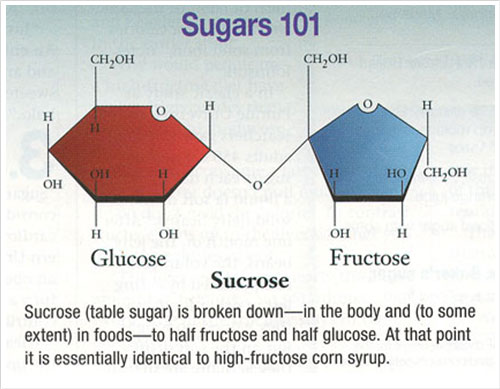
Sugars 101 -- Basics of How to Avoid Confusion on this Important Topic

Sucrose

It is easy to become confused by the various sugars and sweeteners. So here is a basic overview:

  • Dextrose, fructose and glucose are all monosaccharides, known as simple sugars. The primary difference between them is how your body metabolizes them. Glucose and dextrose are essentially the same sugar. However, food manufacturers usually use the term “dextrose” in their ingredient list.
  • The simple sugars can combine to form more complex sugars, like the disaccharide sucrose (table sugar), which is half glucose and half fructose.
  • High fructose corn syrup (HFCS) is 55 percent fructose and 45 percent glucose.
  • Ethanol (drinking alcohol) is not a sugar, although beer and wine contain residual sugars and starches, in addition to alcohol.
  • Sugar alcohols like xylitol, glycerol, sorbitol, maltitol, mannitol, and erythritol are neither sugars nor alcohols but are becoming increasingly popular as sweeteners. They are incompletely absorbed from your small intestine, for the most part, so they provide fewer calories than sugar but often cause problems with bloating, diarrhea and flatulence.
  • Sucralose (Splenda) is NOT a sugar, despite its sugar-like name and deceptive marketing slogan, “made from sugar.” It’s a chlorinated artificial sweetener in line with aspartame and saccharin, with detrimental health effects to match.
  • Agave syrup, falsely advertised as “natural,” is typically HIGHLY processed and is usually 80 percent fructose. The end product does not even remotely resemble the original agave plant.
  • Honey is about 53 percent fructose[2], but is completely natural in its raw form and has many health benefits when used in moderation, including as many antioxidants as spinach.
  • Stevia is a highly sweet herb derived from the leaf of the South American stevia plant, which is completely safe (in its natural form). Lo han (or luohanguo) is another natural sweetener, but derived from a fruit.

All Sugars are Not Equal

Glucose is the form of energy you were designed to run on. Every cell in your body, every bacterium—and in fact, every living thing on the Earth—uses glucose for energy.

But as a country, sucrose is no longer the sugar of choice. It’s now fructose.

If your diet was like that of people a century ago, you’d consume about 15 grams per day—a far cry from the 73 grams per day the typical person gets from sweetened drinks. In vegetables and fruits, it’s mixed in with vitamins, minerals, enzymes, and beneficial phytonutrients, all which moderate the negative metabolic effects. Amazingly, 25 percent of people actually consume more than 130 grams of fructose per day.

Making matters worse, all of the fiber has been removed from processed foods, so there is essentially no nutritive value at all. And the very products most people rely on to lose weight—the low-fat diet foods—are often the ones highest in fructose.

It isn’t that fructose itself is bad—it is the MASSIVE DOSES you’re exposed to that make it dangerous.

There are two overall reasons fructose is so damaging:

  1. Your body metabolizes fructose in a much different way than glucose. The entire burden of metabolizing fructose falls on your liver.
  2. People are consuming fructose in enormous quantities, which has made the negative effects much more profound.

The explosion of soda consumption is the major cause of this.

Today, 55 percent of sweeteners used in food and beverage manufacturing are made from corn, and the number one source of calories in America is soda, in the form of high fructose corn syrup.

Food and beverage manufacturers began switching their sweeteners from sucrose to corn syrup in the 1970s when they discovered that HFCS was not only far cheaper to make, it’s about 20 percent sweeter than conventional table sugar that has sucrose.

HFCS contains the same two sugars as sucrose but is more metabolically risky to you, due to its chemical form.

The fructose and the glucose are not bound together in HFCS, as they are in table sugar, so your body doesn’t have to break it down. Therefore, the fructose is absorbed immediately, going straight to your liver.

Too Much Fructose Creates a Metabolic Disaster in Your Body

Dr. Robert Lustig, Professor of Pediatrics in the Division of Endocrinology at the University of California, San Francisco, has been a pioneer in decoding sugar metabolism. His work has highlighted some major differences in how different sugars are broken down and used by the human body.

I highly recommend watching Lustig’s lecture in its entirety if you want to learn how fructose is ruining your health biochemically.

As I mentioned earlier, after eating fructose, most of the metabolic burden rests on your liver. This is NOT the case with glucose, of which your liver breaks down only 20 percent. Nearly every cell in your body utilizes glucose, so it’s normally “burned up” immediately after consumption.

So where does all of this fructose go, once you consume it?

Onto your thighs. It is turned into FAT (VLDL and triglycerides), which means more fat deposits throughout your body.

Eating Fructose is Far Worse than Eating Fat

However, the physiological problems of fructose metabolism extend well beyond a couple of pant sizes:

  • Fructose elevates uric acid, which decreases nitric oxide, raises angiotensin, and causes your smooth muscle cells to contract, thereby raising your blood pressure and potentially damaging your kidneys.[1]

    Increased uric acid also leads to chronic, low-level inflammation, which has far-reaching consequences for your health. For example, chronically inflamed blood vessels lead to heart attacks and strokes; also, a good deal of evidence exists that some cancers are caused by chronic inflammation. (See the next section for more about uric acid.)
  • Fructose tricks your body into gaining weight by fooling your metabolism—it turns off your body’s appetite-control system. Fructose does not appropriately stimulate insulin, which in turn does not suppress ghrelin (the “hunger hormone”) and doesn’t stimulate leptin (the “satiety hormone”), which together result in your eating more and developing insulin resistance.[3] [4]
  • Fructose rapidly leads to weight gain and abdominal obesity (“beer belly”), decreased HDL, increased LDL, elevated triglycerides, elevated blood sugar, and high blood pressure—i.e., classic metabolic syndrome.
  • Fructose metabolism is very similar to ethanol metabolism, which has a multitude of toxic effects, including NAFLD (non-alcoholic fatty liver disease). It’s alcohol without the buzz.

These changes are not seen when humans or animals eat starch (or glucose), suggesting that fructose is a “bad carbohydrate” when consumed in excess of 25 grams per day. It is probably the one factor responsible for the partial success of many “low-carb” diets.

One of the more recent findings that surprised researchers is that glucose actually accelerates fructose absorption, making the potential health risks from HFCS even more profound.[1]

You can now see why fructose is the number one contributing factor to the current obesity epidemic.

Is Uric Acid the New Cholesterol?

By now you are probably aware of the childhood obesity epidemic in America—but did you know about childhood hypertension?

Until recently, children were rarely diagnosed with high blood pressure, and when they were, it was usually due to a tumor or a vascular kidney disease.

In 2004, a study showed hypertension among children is four times higher than predicted: 4.5 percent of American children have high blood pressure. Among overweight children, the rate is 10 percent. It is thought that obesity is to blame for about 50 percent of hypertension cases in adolescents today.[1]

Even more startling is that 90 percent of adolescents who have high blood pressure have elevated uric acid levels.

This has led researchers to ask, what does uric acid have to do with obesity and high blood pressure?

In his groundbreaking book, The Sugar Fix: The High-Fructose Fallout That is Making You Fat and Sick, Dr. Robert J. Johnson makes a compelling argument for a previously unrecognized connection between excess sugar consumption and high uric acid levels.

There are more than 3,500 articles to date showing a strong relationship between uric acid and obesity, heart disease, hypertension, stroke, kidney disease, and other conditions. In fact, a number of studies have confirmed that people with elevated serum uric acid are at risk for high blood pressure, even if they otherwise appear to be perfectly healthy.

Uric acid levels among Americans have risen significantly since the early half of the 20th Century. In the 1920s, average uric acid levels were about 3.5 ml/dl. By 1980, average uric acid levels had climbed into the range of 6.0 to 6.5 ml/dl and are probably much higher now.

How Does Your Body Produce Uric Acid?

It’s a byproduct of cellular breakdown. As cells die off, DNA and RNA degrade into chemicals called purines. Purines are further broken down into uric acid.

Fructose increases uric acid through a complex process that causes cells to burn up their ATP rapidly, leading to “cell shock” and increased cell death. After eating excessive amounts of fructose, cells become starved of energy and enter a state of shock, just as if they have lost their blood supply. Massive cellular die-off leads to increased uric acid levels.

And cells that are depleted of energy become inflamed and more susceptible to damage from oxidative stress. Fat cells actually become “sickly,” bloating up with excessive amounts of fat.

There is a simple, inexpensive blood test for determining your uric acid level, which I recommend you have done as part of your routine health checkups. Your level should be between 3.0 and 5.5 mg/dl, optimally.

There is little doubt in my mind that your uric acid level is a more potent predictor of cardiovascular and overall health than your total cholesterol level is. Yet virtually no one is screening for this.

Now that you know the truth you don’t have to be left out in the cold, as this is a simple and relatively inexpensive test that you can get at any doctor’s office. Odds are very good your doctor is clueless about the significance of elevated uric acid levels, so it will not likely be productive to engage in a discussion with him unless he is truly an open-minded truth seeker.

Merely get your uric acid level, and if it is over 5 then eliminate as much fructose as you can (also eliminate all beer), and retest your level in a few weeks.

Sugar Sensitization Makes the Problem Even WORSE!

There is yet another problem with sugar—a self-perpetuating one.

According to Dr. Johnson1, sugar activates its own pathways in your body—those metabolic pathways become “upregulated.” In other words, the more sugar you eat, the more effective your body is in absorbing it; and the more you absorb, the more damage you’ll do.

You become “sensitized” to sugar as time goes by, and more sensitive to its toxic effects as well.

The flip side is, when people are given even a brief sugar holiday, sugar sensitization rapidly decreases and those metabolic pathways become “downregulated.” Research tells us that even two weeks without consuming sugar will cause your body to be less reactive to it.

Try it for yourself! Take a two-week sugar sabbatical and see how different you feel.

Are Fruits Good or Bad for You?

Keep in mind that fruits also contain fructose, although an ameliorating factor is that whole fruits also contain vitamins and other antioxidants that reduce the hazardous effects of fructose.

Juices, on the other hand, are nearly as detrimental as soda, because a glass of juice is loaded with fructose, and a lot of the antioxidants are lost.

It is important to remember that fructose alone isn’t evil as fruits are certainly beneficial. But when you consume high levels of fructose it will absolutely devastate your biochemistry and physiology. Remember the AVERAGE fructose dose is 70 grams per day which exceeds the recommend limit by 300 percent.

So please BE CAREFUL with your fruit consumption. You simply MUST understand that because HFCS is so darn cheap, it is added to virtually every processed food. Even if you consumed no soda or fruit, it is very easy to exceed 25 grams of hidden fructose in your diet.

If you are a raw food advocate, have a pristine diet, and exercise very well, then you could be the exception that could exceed this limit and stay healthy.

Dr. Johnson has a handy chart, included below, which you can use to estimate how much fructose you’re getting in your diet. Remember, you are also likely getting additional fructose if you consume any packaged foods at all, since it is hidden in nearly all of them.


FruitServing SizeGrams of Fructose
Limes1 medium0
Lemons1 medium0.6
Cranberries1 cup0.7
Passion fruit1 medium0.9
Prune1 medium1.2
Apricot1 medium1.3
Guava2 medium2.2
Date (Deglet Noor style)1 medium2.6
Cantaloupe1/8 of med. melon2.8
Raspberries1 cup3.0
Clementine1 medium3.4
Kiwifruit1 medium3.4
Blackberries1 cup3.5
Star fruit1 medium3.6
Cherries, sweet103.8
Strawberries1 cup3.8
Cherries, sour1 cup4.0
Pineapple1 slice
(3.5" x .75")
4.0
Grapefruit, pink or red1/2 medium4.3
FruitServing SizeGrams of Fructose
Boysenberries1 cup4.6
Tangerine/mandarin orange1 medium4.8
Nectarine1 medium5.4
Peach1 medium5.9
Orange (navel)1 medium6.1
Papaya1/2 medium6.3
Honeydew1/8 of med. melon6.7
Banana1 medium7.1
Blueberries1 cup7.4
Date (Medjool)1 medium7.7
Apple (composite)1 medium9.5
Persimmon1 medium10.6
Watermelon1/16 med. melon11.3
Pear1 medium11.8
Raisins1/4 cup12.3
Grapes, seedless (green or red)1 cup12.4
Mango1/2 medium16.2
Apricots, dried1 cup16.4
Figs, dried1 cup23.0

In addition to limiting your intake of fructose, you should eliminate all sweetened beverages and fruit juices (including all artificial sweeteners) and drink only pure water and raw milk.

You can buy pure glucose (dextrose) as a sweetener for about $1 a pound. It is only 70% as sweet as sucrose, so you’ll end up using a bit more of it for the same amount of sweetness, making it slightly more expensive than sucrose—but still well worth it for your health as it has ZERO grams of fructose.

Remember that glucose can be used directly by every cell in your body and as such is far safer than the metabolic poison fructose.

Beer is also a good beverage to AVOID since it increases uric acid levels, just like fructose does, resulting in many of the same toxic effects.

All alcoholic beverages cause you to produce excess uric acid (and block your kidneys from excreting it), but beer seems to have a more pronounced effect on uric acid levels because it’s a rich source of guanosine, the type of purine that is most readily absorbed by the body.1

76 Additional Ways Sugar Can Ruin Your Health

In addition to throwing off your body's homeostasis and wreaking havoc on your metabolic processes, excess sugar has a number of other significant consequences.

Nancy Appleton, PhD, author of the book Lick the Sugar Habit[5], contributed an extensive list of the many ways sugar can ruin your health from a vast number of medical journals and other scientific publications.

  1. Sugar can suppress your immune system and impair your defenses against infectious disease.[6] [7]
  2. Sugar upsets the mineral relationships in your body: causes chromium and copper deficiencies and interferes with absorption of calcium and magnesium.[8] [9] [10] [11]
  3. Sugar can cause a rapid rise of adrenaline, hyperactivity, anxiety, difficulty concentrating, and crankiness in children.[12] [13]
  4. Sugar can produce a significant rise in total cholesterol, triglycerides and bad cholesterol and a decrease in good cholesterol.[14][15] [16] [17]
  5. Sugar causes a loss of tissue elasticity and function.[18]
  6. Sugar feeds cancer cells and has been connected with the development of cancer of the breast, ovaries, prostate, rectum, pancreas, biliary tract, lung, gallbladder and stomach.[19] [20] [21] [22] [23] [24] [25]
  7. Sugar can increase fasting levels of glucose and can cause reactive hypoglycemia.[26] [27]
  8. Sugar can weaken eyesight.[28] 1
  9. Sugar can cause many problems with the gastrointestinal tract including: an acidic digestive tract, indigestion, malabsorption in patients with functional bowel disease, increased risk of Crohn's disease, and ulcerative colitis.[29] [30] [31] [32] [33]
  10. Sugar can cause premature aging.[34] In fact, the single most important factor that accelerates aging is insulin, which is triggered by sugar. 1
  11. Sugar can lead to alcoholism.[35]
  12. Sugar can cause your saliva to become acidic, tooth decay, and periodontal disease.[36] [37] [38]
  13. Sugar contributes to obesity. [39] 1
  14. Sugar can cause autoimmune diseases such as: arthritis, asthma, and multiple sclerosis.[40] [41] [42]
  15. Sugar greatly assists the uncontrolled growth of Candida Albicans (yeast infections) [43]
  16. Sugar can cause gallstones.[44]
  17. Sugar can cause appendicitis.[45]
  18. Sugar can cause hemorrhoids.[46]
  19. Sugar can cause varicose veins.[47]
  20. Sugar can elevate glucose and insulin responses in oral contraceptive users.[48]
  21. Sugar can contribute to osteoporosis.[49]
  22. Sugar can cause a decrease in your insulin sensitivity thereby causing an abnormally high insulin levels and eventually diabetes.[50] [51] [52]
  23. Sugar can lower your Vitamin E levels.[53]
  24. Sugar can increase your systolic blood pressure.[54]
  25. Sugar can cause drowsiness and decreased activity in children.[55]
  26. High sugar intake increases advanced glycation end products (AGEs),which are sugar molecules that attach to and damage proteins in your body. AGEs speed up the aging of cells, which may contribute to a variety of chronic and fatal diseases. [56] 1
  27. Sugar can interfere with your absorption of protein.[57]
  28. Sugar causes food allergies.[58]
  29. Sugar can cause toxemia during pregnancy.[59]
  30. Sugar can contribute to eczema in children.[60]
  31. Sugar can cause atherosclerosis and cardiovascular disease.[61] [62]
  32. Sugar can impair the structure of your DNA.[63]
  33. Sugar can change the structure of protein and cause a permanent alteration of the way the proteins act in your body.[64] [65]
  34. Sugar can make your skin age by changing the structure of collagen.[66]
  35. Sugar can cause cataracts and nearsightedness.[67] [68]
  36. Sugar can cause emphysema.[69]
  37. High sugar intake can impair the physiological homeostasis of many systems in your body.[70]
  38. Sugar lowers the ability of enzymes to function.[71]
  39. Sugar intake is higher in people with Parkinson's disease.[72]
  40. Sugar can increase the size of your liver by making your liver cells divide, and it can increase the amount of fat in your liver, leading to fatty liver disease.[73] [74]
  41. Sugar can increase kidney size and produce pathological changes in the kidney such as the formation of kidney stones.[75] [76]Fructose is helping to drive up rates of kidney disease. 1
  42. Sugar can damage your pancreas.[77]
  43. Sugar can increase your body's fluid retention.[78]
  44. Sugar is enemy #1 of your bowel movement.[79]
  45. Sugar can compromise the lining of your capillaries.[80]
  46. Sugar can make your tendons more brittle.[81]
  47. Sugar can cause headaches, including migraines.[82]
  48. Sugar can reduce the learning capacity, adversely affect your children's grades and cause learning disorders.[83] [84]
  49. Sugar can cause an increase in delta, alpha, and theta brain waves, which can alter your ability to think clearly.[85]
  50. Sugar can cause depression.[86]
  51. Sugar can increase your risk of gout.[87]
  52. Sugar can increase your risk of Alzheimer's disease.[88] MRI studies show that adults 60 and older who have high uric acid are four to five times more likely to have vascular dementia, the second most common form of dementia after Alzheimer’s.1
  53. Sugar can cause hormonal imbalances such as: increasing estrogen in men, exacerbating PMS, and decreasing growth hormone.[89] [90] [91] [92]
  54. Sugar can lead to dizziness.[93]
  55. Diets high in sugar will increase free radicals and oxidative stress.[94]
  56. A high sucrose diet of subjects with peripheral vascular disease significantly increases platelet adhesion.[95]
  57. High sugar consumption by pregnant adolescents can lead to a substantial decrease in gestation duration and is associated with a twofold-increased risk for delivering a small-for-gestational-age (SGA) infant.[96] [97]
  58. Sugar is an addictive substance.[98]
  59. Sugar can be intoxicating, similar to alcohol.[99]
  60. Sugar given to premature babies can affect the amount of carbon dioxide they produce.[100]
  61. Decrease in sugar intake can increase emotional stability.[101]
  62. Your body changes sugar into 2 to 5 times more fat in the bloodstream than it does starch.[102]
  63. The rapid absorption of sugar promotes excessive food intake in obese subjects.[103]
  64. Sugar can worsen the symptoms of children with attention deficit hyperactivity disorder (ADHD).[104]
  65. Sugar adversely affects urinary electrolyte composition.[105]
  66. Sugar can impair the function of your adrenal glands.[106]
  67. Sugar has the potential of inducing abnormal metabolic processes in normal, healthy individuals, thereby promoting chronic degenerative diseases.[107]
  68. Intravenous feedings (IVs) of sugar water can cut off oxygen to your brain.[108]
  69. Sugar increases your risk of polio.[109]
  70. High sugar intake can cause epileptic seizures.[110]
  71. Sugar causes high blood pressure in obese people.[111]
  72. In intensive care units, limiting sugar saves lives.[112]
  73. Sugar may induce cell death.[113]
  74. In juvenile rehabilitation centers, when children were put on low sugar diets, there was a 44 percent drop in antisocial behavior.[114]
  75. Sugar dehydrates newborns.[115]
  76. Sugar can cause gum disease.[116]

It should now be crystal clear just how damaging sugar is. You simply cannot achieve your highest degree of health and vitality if you are consuming a significant amount of it.

Fortunately, your body has an amazing ability to heal itself when given the basic nutrition it needs, and your liver has an incredible ability to regenerate. If you start making changes today, your health WILL begin to improve, returning you to the state of vitality that nature intended.


Source: Dr. Mercola