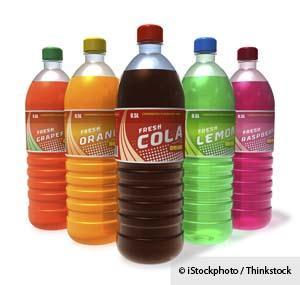
Showing posts with label diet sodas. Show all posts

Sunday, January 20, 2013

Sweetened Drinks Associated with Increased Depression Risk

Aspartame in Diet Soda

Story at-a-glance
  • Preliminary study findings report that drinking sweetened beverages – whether they’re sweetened with sugar or artificial sweeteners – is associated with an increased risk of depression.
  • Those who drank more than four cans or glasses of diet soda or other artificially sweetened beverages had a nearly 30 percent higher risk of depression compared to those who did not consume diet drinks. Regular soda drinkers had a 22 percent increased risk.
  • Potential mechanisms through which sugar intake could exert a toxic effect on mental health include causing insulin and leptin resistance; suppressing activity of a key hormone called BDNF, which are critically low in depressed patients; and promoting chronic inflammation, which is thought to be a primary cause of depression.
  • Previous studies have also shown that aspartame has a detrimental effect on brain function, neurological, cognitive, and behavioral health.

By Dr. Mercola

Foods have an immense impact on your body and your brain, and eating whole foods as described in my nutrition plan is the best way to support your mental and physical health.

Avoiding sugar (particularly fructose) and artificial sweeteners is in my view, based on the evidence, a very important aspect of preventing and/or treating depression. Both contribute to chronic inflammation, and can wreak havoc with your brain function.

Preliminary study findings that will be presented at the 65th annual meeting of the American Academy of Neurology reports that drinking sweetened beverages – whether they’re sweetened with sugar or artificial sweeteners – is associated with an increased risk of depression. Coffee was associated with a slightly reduced risk.

As reported by WebMD:1

“Researchers say the findings suggest that cutting down on sweetened drinks or replacing them entirely with non-sweetened beverages may help lower depression risk.”

The study included nearly 264,000 American adults over the age of 50, who were enrolled in an AARP diet and health study. At the outset of the study, the participants filled out a detailed dietary survey. At a 10-year follow-up, they were asked whether they’d been diagnosed with depression at any point during the past decade.

  • Those who drank more than four cans or glasses of diet soda or other artificially sweetened beverages had a nearly 30 percent higher risk of depression compared to those who did not consume diet drinks
  • Regular soda drinkers had a 22 percent increased risk

Meanwhile, those who drank four cups of coffee per day had a 10 percent decreased risk of depression, compared to those who drank none. Researcher Honglei Chen, MD, PhD, of the National Institutes of Health (NIH) told WebMD:

“While our findings are preliminary, and the underlying biological mechanisms are not known, they are intriguing and consistent with a small but growing body of evidence suggesting that artificially sweetened beverages may be associated with poor health outcomes.”

While the featured research does not prove causation, and some have pointed out that those who are depressed may turn to sweets for self-soothing, there is plenty of other evidence indicating that both sugar and artificial sweeteners can have a significant and detrimental impact on mental health, so the findings really are not at all surprising. As for the underlying mechanisms, previous research has offered up a number of compelling clues.

Why Sugar Can Increase Depression Risk

Let’s start with sugar. There are at least three potential mechanisms through which refined sugar intake could exert a toxic effect on mental health:

  • Sugar (particularly fructose) and grains contribute to insulin and leptin resistance and impaired signaling, which play a significant role in your mental health
  • Sugar suppresses activity of a key growth hormone called BDNF (brain derived neurotrophic factor) which promotes healthy brain neurons. BDNF levels are critically low in both depression and schizophrenia, which animal models suggest might actually be causative
  • Sugar consumption also triggers a cascade of chemical reactions in your body that promote chronic inflammation. In the long term, inflammation disrupts the normal functioning of your immune system, which is linked to a greater risk of depression

In 2004, noted British psychiatric researcher Malcolm Peet published a provocative cross-cultural analysis of the relationship between diet and mental illness.2 His primary finding was a strong link between high sugar consumption and the risk of both depression and schizophrenia. According to Peet:

“A higher national dietary intake of refined sugar and dairy products predicted a worse 2-year outcome of schizophrenia. A high national prevalence of depression was predicted by a low dietary intake of fish and seafood. The dietary predictors of... prevalence of depression are similar to those that predict illnesses such as coronary heart disease and diabetes, which are more common in people with mental health problems and in which nutritional approaches are widely recommended. Dietary intervention studies are indicated in schizophrenia and depression.”

One of the key predictors of heart disease and diabetes is in fact chronic inflammation, which, as Peet mentions, is also associated with poor mental health. And sugar consumption is a primary driver of chronic inflammation in your body, so consuming excessive amounts of sugar can truly set off an avalanche of negative health events – both mental and physical.

Following my recently revised nutrition plan is a simple way to automatically reduce your intake of sugar from all sources. Another previous study published in the International Breastfeeding Journal,3 found that inflammation may be more than just another risk factor. It may in fact be THE risk factor that underlies all others... According to the researchers:

“The old paradigm described inflammation as simply one of many risk factors for depression. The new paradigm is based on more recent research that has indicated that physical and psychological stressors increase inflammation. These recent studies constitute an important shift in the depression paradigm: inflammation is not simply a risk factor; it is the risk factor that underlies all the others.

Moreover, inflammation explains why psychosocial, behavioral and physical risk factors increase the risk of depression. This is true for depression in general and for postpartum depression in particular.”

Omega-3 Fats are Also Vital for Your Optimal Brain Function and Mental Health

Another major culprit that encourages inflammation in your body is rancid or oxidized omega-fats (think trans fats), whereas a diet rich in omega-3 fats helps to reduce inflammation. Healthy omega-6 fats like gamma linoleic acid (GLA), found in evening primrose, black currant seed and borage oil can also help counteract inflammation.

As you may already know, I recommend taking animal-based omega-3 supplements for many types of inflammation, and for optimal brain health. Most alternative health practitioners are also well aware of the benefits of omega-3’s for depression. While all omega-3 fats possess immune-boosting qualities, omega-3 fats from marine sources (EPA and DHA) are more biologically potent than omega-3 fat ALA found in plant sources such as flax seeds, and are more potent inflammation fighters. My favorite source of omega-3 fats is krill oil, as it has several advantages over fish oil.

Artificial Sweeteners and Depression

The artificial sweetener aspartame is the number one source of side-effect complaints to the FDA, with over 10,000 complaints filed and over 91 symptoms documented that are related to its consumption. Among them are mental adverse effects such as depression and panic attacks. The following video will familiarize you with some of the terrifying side-effects and health problems you could encounter if you consume products containing this chemical. Unfortunately, aspartame toxicity is not well-known by doctors, despite its frequency.

A number of studies have shown that aspartame has a detrimental effect on brain function, neurological, cognitive, and behavioral health. For a listing of such studies, please see my Aspartame Studies page. For example:

  • In a 1986 evaluation of reactions to food additives,4 aspartame (in commonly consumed amounts) was linked to mood alterations (anxiety, agitation, irritability, or depression), headaches, insomnia, dizziness, and fatigue
  • A 1993 study5 found that individuals with mood disorders are particularly sensitive to aspartame, suggesting its use in this population should be discouraged. In the clinical study, the project was halted by the Institutional Review Board after a total of 13 individuals had completed the study because of the severity of reactions within the group of patients with a history of depression
  • A 2006 study6 found that high concentrations of aspartame can cause neurological symptoms, including memory and learning problems
  • In 2008, researchers asserted that excessive aspartame ingestion might be involved in the pathogenesis of certain mental disorders (DSM-IV-TR 2000) and also in compromised learning and emotional functioning7

Humans Cannot Compensate for Methanol Toxicity

Aspartame is primarily made up of aspartic acid and phenylalanine. The phenylalanine has been synthetically modified to carry a methyl group, which provides the majority of the sweetness. That phenylalanine methyl bond, called a methyl ester, is very weak, which allows the methyl group on the phenylalanine to easily break off and form methanol. (This is in sharp contrast to naturally-occurring methanol found in certain fruits and vegetables, where it is firmly bonded to pectin, allowing the methanol to be safely passed through your digestive tract.)

Methanol acts as a Trojan horse; it's carried into susceptible tissues in your body, like your brain and bone marrow, where an enzyme called alcohol dehydrogenase (ADH) converts it into formaldehyde, which wreaks havoc with sensitive proteins and DNA. Interestingly, and most importantly, humans are the only animals that do NOT have a protective mechanism to compensate for methanol toxicity...

Both animals and humans have small structures called peroxisomes in each cell. There are a couple of hundred in every cell of your body, which are designed to detoxify a variety of chemicals. Peroxisome contains catalase, which help detoxify methanol. Other chemicals in the peroxisome convert the formaldehyde to formic acid, which is harmless, but this last step occurs only in animals. When methanol enters the peroxisome of every animal except humans, it gets into that mechanism. Humans do have the same number of peroxisomes in comparable cells as animals, but human peroxisomes cannot convert the toxic formaldehyde into harmless formic acid.

So, in humans, methanol is allowed to be transported in your body to susceptible tissues where this enzyme, ADH, then converts it to formaldehyde, which damages your protein and DNA, which of course can lead to all sorts of health issues.

Don’t Be Fooled by the Aspartame Propaganda

Aspartame proponents claim it’s harmless, pointing out that phenylalanine and aspartic acid can be readily found in whole foods. However, comparing aspartame to whole food is really comparing apples to oranges.

In a normal protein like meat, fish or eggs, phenylalanine and aspartic acid comprise 4-5 percent each of the total amino acid profile. This is how nature intends the human body to encounter these two amino acids and there is nothing wrong with these substances if they occur naturally in a proper balance with other amino acids. But in aspartame the ratio of these two amino acids is 50 percent phenylalanine and 40 percent aspartic acid (with 10 percent methyl ester bond, aka wood alcohol, a known poison).

In other words, on a percentage basis this is a massive quantity of two unnaturally isolated amino acids that are simply not found in this ratio in nature, bonded together by a known poison. The result of this chemical cocktail is a sweet tasting neurotoxin.

As a result of its unnatural structure, your body processes the amino acids found in aspartame very differently from a steak or a piece of fish. The amino acids in aspartame literally attack your cells, even crossing the blood-brain barrier to attack your brain cells, creating a toxic cellular overstimulation, called excitotoxicity. MSG is another excitotoxin, and works synergistically with aspartame to create even more damage to your brain cells.

The truth is, aspartame should never have been approved, and it should not be on the market, considering how many complaints the FDA has received by people who experienced frightening and devastating side effects from it. (To get the back-story of how it got approved in the first place, please see my previous article Proven Unsafe But FDA-Approved: Are YOU Still Consuming This Man-Made Poison?)

The only way to put pressure on the FDA to address the very real hazards of aspartame (and other artificial sweeteners) is to keep adding to the mounting pile of complaints. So please, if you experience an adverse reaction to any aspartame product, I urge you to call the FDA Consumer Complaint Coordinator in your area, and file an adverse event report.

Key Factors to Overcoming Depression

There’s no doubt in my mind that radically reducing or eliminating all forms of sugar and artificial sweeteners from your diet is a crucial step to prevent and/or address depression. Quite simply, if you fail to address the root of the problem, you could be left floundering and struggling with ineffective and potentially toxic band-aids for a long time. Your diet does play a huge part in your mental health so please do not ignore the impact sugar and artificial sweeteners might be having. Here are six additional strategies that can help you even further:

  1. Exercise – If you have depression, or even if you just feel down from time to time, exercise is a MUST. The research is overwhelmingly positive in this area, with studies confirming that physical exercise is at least as good as antidepressants for helping people who are depressed. One of the primary ways it does this is by increasing the level of endorphins, the "feel good" hormones, in your brain. It also helps to normalize your insulin and leptin signaling.
  2. Eat a healthy diet – A factor that cannot be overlooked is your diet. Foods have an immense impact on your mood and ability to cope and be happy, and eating whole foods as described in my nutrition plan will best support your mental health. Avoiding sugar and grains will help normalize your insulin and leptin levels, and eliminating artificial sweeteners will eliminate your chances of suffering its toxic effects.
  3. Optimize your gut healthFermented foods, such as fermented vegetables are also important for optimal mental health, as they are key for optimizing your gut health. Many fail to realize that your gut is literally your second brain, and can significantly influence your mind, mood, and behavior. Your gut actually produces more mood-boosting serotonin than your brain does.
  4. Support optimal brain functioning with essential fats– I also strongly recommend supplementing your diet with a high-quality, animal-based omega-3 fat, like krill oil. This may be the single most important nutrient to battle depression.
  5. Get plenty of sunshine – Making sure you're getting enough sunlight exposure to have healthy vitamin D levels is also a crucial factor in treating depression or keeping it at bay. One previous study found that people with the lowest levels of vitamin D were 11 times more prone to be depressed than those who had normal levels. Vitamin D deficiency is actually more the norm than the exception, and has previously been implicated in both psychiatric and neurological disorders.
  6. Address your stress– Depression is a very serious condition, however it is not a "disease." Rather, it's a sign that your body and your life are out of balance. This is so important to remember, because as soon as you start to view depression as an "illness," you think you need to take a drug to fix it. In reality, all you need to do is return balance to your life, and one of the key ways to doing this is addressing stress.

    Meditation or yoga can sometimes help. If weather permits, get outside for a walk. But in addition to that, I also recommend using a system that can help you address emotional issues that you may not even be consciously aware of. For this, my favorite is Emotional Freedom Technique (EFT). However, if you have depression or serious stress, I believe it would be best to consult with a mental health professional who is also an EFT practitioner to guide you.

Related:

The Aspartame Trap: You May Be Unknowingly Ingesting this Toxic Sweetener

America's Deadliest Sweetener Betrays Millions, Then Hoodwinks You With Name Change

Dumbing Down Society Part I: Foods, Beverages and Meds

12 Food Additives to Remove From Your Diet

Health Tip For 2013: Go All Natural — Ditch The Artificial Sweeteners!

The 76 Dangers of Sugar

The Aspartame Trap: You May Be Unknowingly Ingesting this Toxic Sweetener

America's Deadliest Sweetener Betrays Millions, Then Hoodwinks You With Name Change

Tuesday, April 12, 2011

Splenda - safer than aspartame but is it really safe?

Residents File Suit Over Splenda

Chronic cough is typically defined as a cough that persists for longer than 8 weeks. Chronic cough is not a disease, it’s a symptom and has become a recurring symptom in many people having reactions to the sweetener Splenda.

I have a friend who switched from drinking regular soda to soda’s with Splenda.  I ended up doing this research for him because he developed a cough that was so severe that he had his doctor review all his medications, was taking breathing treatments several times a day and even considered giving his beloved dog to a relative because he thought he had developed a severe allergy.  He was not sleeping and could barely eat or talk without going into a coughing fit. 

Only one week after he stopped drinking soda’s with Splenda, his cough is almost completely gone.

The Potential Dangers of Sucralose

By Dr. Joseph Mercola. D.O. - www.mercola.com - reprinted by kind permission of author (see copyright notice below)
There's a new artificial sweetener on the block and it is already in a wide range of products, some even sold in health food stores and manufactured by nutritionally-oriented companies. But is it proven safe? Does it provide any benefit to the public? Does it help with weight loss? Are there any long term human studies? Has it been shown to be safe for the environment? The answer to all of these questions is unfortunately a resounding NO.

The artificial sweetener sucralose, which is sold under the name Splenda™, is one of the up-and-coming "next generation" of high-intensity sugar substitutes. It is non-caloric and about 600 times sweeter than sucrose (white table sugar), although it can vary from 320 tp 1,000 times sweeter, depending on the food application. The white crystalline powder tastes like a lot like sugar, but is more intense in its sweetness.
How it is Manufactured

Sucralose is produced by chlorinating sugar (sucrose). This involves chemically changing the structure of the sugar molecules by substituting three chlorine atoms for three hydroxyl groups.
History

Sucralose was discovered in 1976 by researchers working under the auspices of Tate & Lyle Ltd., a large British sugar refiner. In 1980, Tate & Lyle arranged with Johnson & Johnson, the world's largest health care company, to develop sucralose. Johnson & Johnson formed McNeil Specialty Products Company in 1980 to commercialize sucralose.

In 1991, Canada became the first nation to approve the use of sucralose.

In April, 1998 the US Food and Drug Administration granted approval for sucralose to be used in a variety of food products (CLICK HERE for complete list of products using sucralose). Diet RC cola was the first US product with sucralose, introduced in May 1998.

Sucralose is not yet approved for use in most European countries, where it is still under review.

Safety Concerns

Few human studies of safety have been published on sucralose. One small study of diabetic patients using the sweetener showed a statistically significant increase in glycosylated hemoglobin (Hba1C), which is a marker of long-term blood glucose levels and is used to assess glycemic control in diabetic patients. According to the FDA, "increases in glycosolation in hemoglobin imply lessening of control of diabetes.

Research in animals has shown that sucralose can cause many problems in rats, mice, and rabbits, such as:

Shrunken thymus glands (up to 40% shrinkage)
Enlarged liver and kidneys.
Atrophy of lymph follicles in the spleen and thymus
Increased cecal weight
Reduced growth rate
Decreased red blood cell count
Hyperplasia of the pelvis
Extension of the pregnancy period
Aborted pregnancy
Decreased fetal body weights and placental weights
Diarrhea

According to one source (Sucralose Toxicity Information Center), concerning the significant reduction in size of the thymus gland, "the manufacturer claimed that the sucralose was unpleasant for the rodents to eat in large doses and that starvation caused the shruken thymus glands.

[Toxicologist Judith] Bellin reviewed studies on rats starved under experimental conditions, and concluded that their growth rate could be reduced by as much as a third without the thymus losing a significant amount of weight (less than 7 percent). The changes were much more marked in rats fed on sucralose. While the animals' growth rate was reduced by between 7 and 20 percent, their thymuses shrank by as much as 40 percent. (New Scientist 23 Nov 1991, pg 13)"

A compound chemically related to sucrose, 6-chloro-deoxyglucose, is known to have anti-fertility and neurotoxic effects, although animal studies of sucralose have not shown these effects.

According to the FDA's "Final Rule" report, "Sucralose was weakly mutagenic in a mouse lymphoma mutation assay." The FDA also reported many other tests as having "inconclusive" results.

Just how few studies currently exist on sucralose is an issue. Endurance News provides the following table illustrating this fact:

Sweetener # of Studies*
Saccharin     2374
Aspartame   598
Cyclamates 459
Acesulfame-K 28
Sucralose      19

*Number of studies determined by MEDLINE search.
In terms of safety, it is not just the original substance (sucralose) that one needs to worry about. As the FDA notes, "Because sucralose may hydrolyze in some food products...the resulting hydrolysis products may also be ingested by the consumer."
Is There Any Long-Term Human Research?

None. According to the Medical Letter on Drugs & Therapeutics, "Its long-term safety is unknown." According to the Sucralose Toxicity Information Center, the "Manufacturer's '100's of studies' (some of which show hazards) were clearly inadequate and do not demonstrate safety in long-term use."
Is Sucralose Absorbed or Metabolized?

Despite the manufacturer's claims to the contrary, sucralose is significantly absorbed and metabolized by the body. According to the FDA's "Final Rule" report, 11% to 27% of sucralose is absorbed in humans, and the rest is excreted unchanged in feces. According to the Japanese Food Sanitation Council, as much as 40% of ingested sucralose is absorbed.

Plasma sucralose has been reported to have a half-life of anywhere from 2 to 5 hours in most studies, although the half-life in rabbits was found to be much longer at about 36 hours.
About 20% to 30% of absorbed sucralose is metabolized. Both the metabolites and unchanged absorbed sucralose are excreted in urine. The absorbed sucralose has been found to concentrate in the liver, kidney, and gastrointestinal tract. According to The Sucralose Toxicity Information Center, sucralose is broken down "into small amounts of 1,6-dichlorofructose, a chemical which has not been adequtely tested in humans."

Chlorinated Pesticides

According to Consumers Research Magazine "Some concern was raised about sucralose being a chlorinated molecule. Some chlorinated molecules serve as the basis for pesticides such as D.D.T., and accumulate in body fat. However, Johnson & Johnson emphasized that sucralose passes through the body unabsorbed."
Of course, this assertion about not being absorbed is complete nonsense. As shown above, a substantial amount of sucralose is absorbed, so the argument is not valid.

According to the HAD, "The manufacturer claims that the chlorine added to sucralose is similar to the chlorine atom in the salt (NaCl) molecule. That is not the case. Sucralose may be more like ingesting tiny amounts of chlorinated pesticides, but we will never know without long-term, independent human research."
Contaminants

The FDA acknowledges that sucralose "is produced at an approximate purity of 98%." While that may sound pretty pure, just what is in that other 2%? It turns out that the final sucralose product contains small amounts of potentially dangerous substances such as:
Heavy Metals (e.g., Lead)
Arsenic
Triphenilphosphine Oxide
Methanol
Chlorinated Disaccharides
Chlorinated Monosaccharide

Although manufacturing guidelines do specify limits on these substances there is no guarantee that such limits will always be met.

Environmental Concerns

Despite the fact that a portion of sucralose is metabolized into some chemicals of questionable safety, a majory of the consumed sucralose is excreted unchanged in the feces and urine. While that may be good for the person using the product, it may not be so great for the environment.
Although sucralose is being flushed down toilets wherever sucralose is approved for sale, what happens to it next is simply a matter for speculation. I know of no studies showing what happens to the chemical when the raw sewage is treated and then released back into the environment.
Does it remain stabile or react with other substances to form new compounds?

Is the sucralose or any resulting chemicals safe for the environment?

How will this chemical affect aquatic life such as fish, as well as other animals?

Will sucralose begin to appear in our water supplies, just as some drugs are beginning to be found.

Of course, we will likely not know the answers to these questions for many years, if at all. One of the main reasons for this is that the FDA did not require an Environmental Impact Statement for sucralose, because in their words, "the action will not have a significant impact on the human environment."

One study did find that sucralose is metabolized by microrganisms in both the water and soil (Labare 94). However, the ecological impact of this new chemical being introduced into the environment is unknown.

Is There a Benefit for Consumers?

According to Consumers' Research Magazine, sucralose provides some benefits for the corporations making and using it, but not for consumers. They state:

"But are such foods truly beneficial and desirable? Diabetics, weight watchers, and the general public might make better food choices by selecting basic, rather than highly processed foods; for example, apples, rather than turnovers; or plain, rather than sweetened, dairy foods. "


They note that non-caloric artificial sweeteners are not replacing, but rather supplementing conventional sweeteners. They note that as of 1990 Americans were consuming an average of 20 pounds (sugar sweetness equivalency) of artificial sweeteners, and as consumption of sugar-substitutes has risen so too has consumption of sugar.
Does Sucralose Help with Weight Loss?
According to Consumers' Research Magazine "There is no clear-cut evidence that sugar substitutes are useful in weight reduction. On the contrary, there is some evidence that these substances may stimulate appetite."
Where is Sucralose Found?
In the United States, the FDA has granted approval for the use of sucralose in 15 food and beverage categories: (For a complete list of products containing sucralose CLICK HERE)
Baked goods and baking mixes
Chewing gum
Confections and frostings
Fats and oils (salad dressings)
Fruit and water ices
Jams and jellies
Processed fruits and fruit juices
Sweet sauces, toppings and syrups
Beverages and beverage bases
Coffee and tea
Dairy product analogs
Frozen dairy desserts and mixes
Gelatins, puddings and fillings
Milk products
Sugar substitutes
Comparison to Other Sweeteners

Its promoters cite several benefits over other sweeteners, such as:

Unlike saccharin, sucralose leaves no bitter aftertaste.
Unlike other artificial sweeteners, it remains stable at high temperatures.
Unlike sugar, it does not raise blood glucose levels

As a comparison to sucralose's 600-fold sweetness increase over sugar, consider the other artificial sweeteners on the market:

Saccharin (Sweet-and -Low) - 300 to 500 times sweeter
Aspartame (NutraSweet and Equal) - 150 to 200 times sweeter
Acesulfame K (Sunette) - 200 times sweeter.
Big Business
A 1998 report in Chemical Week states that the high-intensity sweetener market is about $1.5-billion/year. About 70%-80% of that market is made up of soft drink sweeteners, of which aspartame has a near monopoly. They note that although sucralose is 50% sweeter than aspartame, it will be difficult to persuade many soft drink producers to give up NutraSweet (aspartame) since it is widely accepted by consumers.
Is Anyone Monitoring Post-Approval Reactions?

Apparently not. With no established system for monitoring and tracking post-approval adverse effects, how can it ever be established whether large-scale and long-term consumption of sucralose is safe?
Technical Information

Sucralose is made from sucrose by substituting three chlorine atoms for three hydroxyl groups to yield 1,6-dichloro-1,6-dideoxy-BETA-D-fructofuranosyl-4-chloro-4-deoxy-alpha-D-galactopyranoside. This is accomplished in a five-step process.
Prolonged storage, particularly at high temperatures and low pH, causes the sucralose to break down into 4-chloro-4-deoxy-galactose (4CG) and 1,6-dichloro-1,6-dideoxyfructose (1,6 DCF),
The Chemical Abstracts Service Registry number (CAS Reg. No.) for sucralose is 56038-13-2.
Should Sucralose be Avoided?

The Holistic Medicine Web Page cites the following reasons to avoid sucralose:

Pre-approval tests indicated potential toxicity of sucralose.


There are no *independent* controlled human studies on sucralose (similar to 15 years ago for aspartame).
There are no long-term (12-24 months) human studies of sucralose's effects.
There is no monitoring of health effects. It took government agencies decades to agree that there were countless thousands of deaths from tobacco. Why? Simply because there had been no monitoring or epidemiological studies. Without such monitoring and studies, huge effects can easily go unnoticed.

Do Products with Sucralose Carry Any Warning Labels Or Information Statements?

No. The regulatory agencies and scientific review bodies that have endorsed the safety of sucralose have not required any warning information to be placed on the labels of products sweetened with sucralose.
Conclusions

The Sucralose Toxicity Information Center concludes that:

While it is unlikely that sucralose is as toxic as the poisoning people are experiencing from Monsanato's aspartame, it is clear from the hazards seen in pre-approval research and from its chemical structure that years or decades of use may contribute to serious chronic immunological or neurological disorders.


The Consumer's Research Magazine concludes that:

"As Americans continue to choose ever-increasing amounts of such foods and beverages, sweeteners may soar to higher consumption levels. The long-range health effects from such escalation need careful evaluation. Do additional approved sweetening agents truly contribute to good health? Do they really meet special dietary needs? Or, do they merely further encourage poor dietary choices? "


--------------------------------------------------------------------------------
Recent Examples of What Splenda Can Do To You

Dear Dr. Mercola,

I wanted to thank you for posting your article regarding sucralose, and to inform you of my reaction to eating it today.
I bought a low-carb bar called "Ultimate Lo Carb" by Biochem at a local health food store. I have been eating foods low in starchy carbs and thought this might be a good snack bar. Well, almost immediately after eating eat I became nauseous. Then my stomach starting cramping and I began dry heaving.
I wondered what could have caused this and decided to try and read the label. The only ingredient I did not recognize was "sucralose".

So, I jumped on the internet and did a search for it and found your article. In the meantime I was heaving and feeling even worse. Well, I am allergic to chlorine, as well as having a liver that doesn't function very well (I take a natural supplement called "Lipogen" for liver support as prescribed by my ND), and when I saw what you had to say about sucralose, I figured that was what was causing it.

I kept feeling worse, and I decided I needed to get it out of my system and took some ipecac (maybe not the best move, but the only thing I could think of). By the time the syrup got into my stomach the heaving was getting worse and intestinal distress was setting in. It was like eating bad seafood. I nearly died of food poisoning by crab legs a number of years back, and this was the closest thing to that feeling.

Finally everything in my system started coming out, and my body didn't stop until my entire digestive tract was cleared out. I have never reacted this violently to anything I have eaten except for when I have had food poisoning.

Something needs to be done to get this product off the market.
I can't help but be convinced that the FDA takes payoffs. No ethical person could approve the use of things like MSG (another thing I cannot tolerate eating), which is classified by the FDA as an excitotoxin and is known to be harmful to the central nervous system. I will do everything to get people to read your article and get the word out on the FDA's latest blunder.

Best, Shelley Flis
--------------------------------------------------------------------------------
Dear Dr. Mercola,
THANK YOU so much for your informative site! I am currently "detoxing" from using sucralose after a terrible reaction. It all began with purchasing a box of Splenda. The changes (in my opinion) were subtle.

However, my family and friends noticed immediately. I became withdrawn and disinterested in my usual hobbies. Everything became a "chore." I was tired during the day, but couldn't sleep at night either. I play flute which requires a quick mental process and fingering skills to match but suddenly I was struggling to play. Typing is difficult, as well.

During the past three weeks I noticed myself "zoning out." I'd become forgetful and moody. I thought perhaps it was the Splenda, because that was the only thing different in my daily habits.

I quickly dismissed the thought - despite having experienced a similar situation with Equal a few years back. I called it "Jekyl v. Hyde Syndrome." But it seemed I noticed the changes much quicker with Equal than with Splenda.

I really suffered yesterday. I was an emotional wreck. I cried and cried. I felt like I was losing my mind. My husband and son discussed my disturbing behavior while I was in the shower. Our son, Tim, recalled that the changes began with that little yellow box. Steve, (my husband,) mentioned it to me. Little by little, things fell into place, including the unexplainable accident I recently had in our truck.

I had just stopped at a stop sign and the trooper said that I couldn't have been going over 15 miles an hour when I nearly rolled our truck. Even he said that I narrowly escaped injury. I nearly had a second accident last week.

My senses had become SO dulled, I could barely function.
I could not focus on anything. Even playing my flute was so hard. I normally stand to play, but for the past two weeks at practice, I sat a lot. I felt "dazed."

This morning, I feel MUCH better than I have in the recent weeks. Not quite "normal," but much better. Even the acne (on my otherwise clear skin) is fading away. Yep! I had a patch of acne, which appeared when I began using Splenda!

How many people are suffering from what appears to be diseases - or even acne, when it is simply a reaction to a chemical they are ingesting? If companies were forced to list the ingredients of these products, such as arsenic, they'd sure be a lot more careful! I mean, who would intentionally poison themselves?

Sincerely,
Debby Fazekas
--------------------------------------------------------------------------------
Dear Dr. Mercola,

Four years ago I began to have panic attacks and was on BuSpar for about a year. I started reading about aspartame and consumed the product daily -- mostly in diet drinks and was a big consumer of Diet Rite. After learning about problems other people were having I quit completely consuming the stuff. And have been panic free for 3 years.

In December I started using splenda and at the same time started having a great deal of anxiety and had a couple of panic attacks but didn't think about the link of Splenda and the anxiety until about a week ago. I also had my mom visiting and introduced her to Splenda -- guess what -- she started having panic attacks during her visit and actually cut her visit short due to her feeling bad.

I haven't consumed anymore of it for a week but am still having problems. Oh, I also was having an irregular heart beat which I did see my doctor about. He assured me that my blood pressure was excellent and cholesterol also good and I shouldn't worry about my heart.

I consume very little to no caffine. Local doctors don't put much faith in the idea that Nutra Sweet caused problems. I'm sure my new theory about Splenda would carry even less weight. By the way, I have a very stess-free life-style. I run my own little business and set my own hours. I don't believe my environment is causing any irregular stress.
Sue
--------------------------------------------------------------------------------
I found this website while researching the new sweetener SPLENDA, a sweetener included in the DIET ICE BOTANICALS drink made by Talking Rain Beverage Co., Preston WA. 98050 Ph. 1-800-734-0748, WWW.TALINGRAIN.COM, currently sold at SAMS warehouse club.

The shocking thing I read at the end of your article on this is the Food Poisoning like symptoms. I've probably drank about 30 -16oz bottles of the stuff, which supposedly contains St, Johns Wort, Kava-Kava, and Ginseng, among other "good" things for you. My son has been sneaking a few bottles to past Mom, despite my apprehension.

We both came down with a similar food poisoning which lasted nearly 10 days for him, and is going on day 3 for me, and I'm throwing the stuff out today.
Thanks for your information,
--------------------------------------------------------------------------------
Dear Dr. Mercola:

Thank you so much for your webpage. I recently drank my first bottle of Virgin Diet Cola, and experienced a mind-numbing headache. I was literally seeing spots. I read the label, thinking there must be something crazy in the cola. The one ingredient I didn't recognize was "Sucralose." My husband, a doctor, said he'd never heard of the ingredient either.

After having read your site, I've cleaned my cupboards of Pure Protein bars, which I had no idea contained this deadly chemical, and, needless to say, will NOT be purchasing any of the other products you've listed. Thank you for your thorough research and intelligent, accessible data.

M.C.
--------------------------------------------------------------------------------
Dr. Mercola,

I was horrified to read some of the letters on your website. I was excited at first to find an artificial sweetener that did not give me Migraines like Aspartame (which also caused some depression). Although I did not use it a lot, after about 6 months of OCCASIONAL use, I detected a pattern in my Splenda use and severe altered emotional state. I became irate, impatient, hyper-sensitive to noise, clutter and children. I really thought this was a mental breakdown, or spiritual attack of some sort. These episodes only came periodically, but they really scared me. Then I noticed a pattern - use of sucralose, followed in hours (or the next morning) by one of these events (lasting 3 to 5 hours). What a relief! I'm not really going nuts - and I can fix this, by never using the product again. What really upsets me is that how many people are suffering and will NEVER make any connection.

How many doctors are treating these people with anti-depressants? How many body-conscious teenagers are committing suicide because of this severe alteration of emotional function? I realize that not all people have the same symptoms, but I would really like to join a support group, or get involved in a chat room or join a campaign and GET THE INFORMATION OUT!!!
I also would be interested in knowing if there is any information on exactly what component of Sucralose affects the brain/nervous system and causes altered emotional states.

Thank you,
L.A.
--------------------------------------------------------------------------------
I was looking up the sweetener Sucralose which is in ACTII kettle corn. I was trying to find out if it was the same as nutra sweet or aspertine. Whenever I eat anything that has that in it, I get pains in my leg and knee. I can not sleep because of the pain, it hurts to walk up the stairs and so on. The pain will go away when I stop eating anything with that in it, within one to two weeks. I had a friend who got pain all over her body after drinking diet soda.
Thanks,
E.R.
--------------------------------------------------------------------------------
I wish to share with the medical field the terrible reactions I experienced after eating the product "splenda".

I do not know who to tell, but I do feel it is important.
I am not diabetic; however, I had two good friends come to dinner, and they brought this big "yellow box of Splenda"...my life, my health was so messed up for the next week I didn't know what was wrong.

I am healthy. I am 44, in great health, 125 pounds, no medicine presc. at all...and yet the morning after I ate this product "Splenda" I was in terrible, terrible pain.
I only ate it, because I cooked two pies for my diabetic friends.
The next 6 days were full of such excruciating pain, I hated to have to go to a doctor but I had to. I cried, the pain in my chest hurt so much.

I want someone that is doing research on this product to understand it really can hurt healthy people, without their knowing it.

I thought I had a heart problem. Fortunately it was a reaction to this product; yet the doctor I saw that ran all kinds of tests, never asked me if I had "ate" anything new!!!!

If I can provide you with anything else I would be pleased to; I don't want anyone else to have to experience the terrible pain in the chest that I did. It was "EXCRUCIATING"...no doubt about it.

C.N.
--------------------------------------------------------------------------------
You can add me to the list of people who have had a bad experience with sucralose. I purchased and ate a bag of jelly beans yesterday afternoon.
No carbs sounded wonderful, and they really did taste great, so I grabbed another bag on my way home
Unfortunately, a couple of hours later, I started experiencing food poisoning-like symptoms. It was clear to me that my system is trying to rid itself of something, so I looked at the packaging of the only thing I ate last night and found your web page. I was up all night and my normally flat and trim tummy is distended to the point that, when I lay on my back, I look seven months' pregnant!
I am grateful I now know what is causing my discomfort -- I will definitely avoid this product at all costs when shopping for my family!! Thank you for an informative article!!

Karen
--------------------------------------------------------------------------------
Dear Doctor Mercola,

I'm not expecting an answer to my email, however I do want to say thank you. After reading your site I am certain now that I was poisoned by Splenda. I knew I was poisoned and I knew it wasn't "food poisoning" from a bacteria. The pain in my body was definitely neurological. I am still experiencing some of the pain and am flushing my Splenda down the drain today. The pain was excruciating, in every part of my body. I am a nurse and I knew instantly that I was experiencing neurological symptoms. I had diarrhea for 3 days also. I came very close to calling 911. I am a 53 year old female in excellent health. These symptoms hit me like a brick very quickly. My blood pressure sky rocketed and I almost fell on my face in a parking lot. I'm on my way now to whole foods to purchase some granular vitamin c to detoxify my body. You saved my life. Thank you again for your information.
Sincerely,
G., RN
--------------------------------------------------------------------------------
Hello,

I've just been reading up on sucralose because I realized just this past week that I've been having a bad reaction to a product I've been using since December - Splenda. I started using Splenda in my coffee and tea since late December and shortly after I began itching in various place on my body and bright red rashed and welts appeared as well. It seemed to be the worst in the evening and only a little in the day. I didn't relate it to the Splenda at all, but I had my coffee in the morning, two cups, the second I rarely finished, and I would have two to three cups of hot tea in the evenings. I finally saw my doctor in March and after seeing my rash and how badly I itched and hearing what I described, he told me that I was allergic to something I was ingesting. I still didn't put it together, at least I didn't want to.
I knew that Splenda was the only thing I had changed and had still been using since the itching started, but I didn't want to go back to sugar and the other substitutes weren't options for me because of the aspertame. Splenda "had" to be alright since it was made from sugar, I thought. The doctor put me on some medication to stop the itching and clear up the rash. While I took it for a week and½, the itching stopped. The rash would still be visible, but now it just looked sort of like it was underlying the skin, as if it were just dormat. Two weeks after my first doctor visit, I had a follow-up and the doctor said I looked fine and to see him again in three months just to make sure, unless, of course, it started again.

Well, it did start again, that very night, in fact. I itched and itched. I waited a few days, but the itching got so bad, I took some of the medication that I still had, since I hadn't used it up. I would just take it at night so I could sleep and then only every two or three days so the pills would last until I could get to the doctor again. The rash would still appear and it would be that very bright red color, different size spots and some odd shapes as well. Sometimes I would get streaks. One day last week I had two streaks going up my neck side by side, each almost as wide as my finger and at the base of my neck a large red splotch.

Wednesday night the itching was terrible again and I finally gave in to the inescapable fact that Splenda had to be the root of this problem, so I stopped using it in my tea that night, and have not used it in anything since. I have still had the rash appear periodically as before, but not as often and not so bright red, no welts appear, and I have not been itching nearly as much or as badly. I'm guessing that it may take time for the stuff to get out of my system completely. I guess I am writing this to you to have my experience with Sucralose documented in some way, even if it's just an email. I would love to know, though, if you know of anyone else who has had a similar experience. Thank you for taking the time to read this.
Marcia
--------------------------------------------------------------------------------
DR. MERCOLA'S COMMENT:

Don't let these large companies fool you. There is no magic alternative to sugar when it comes to sweeteners. You simply can not have your cake and eat it too when it comes to this area. It is far too early to tell, as not enough people have consumed this product to observe large numbers of adverse effects.

However, I have had a number of patients in our Wellness Center who have had some severe migraines and even seizures possibly from consuming this product.

My advice?

AVOID Sucralose.
I am fond of telling people that if something tastes sweet you probably should spit it out as it is not likely to be to good for you. This of course, is a humorous exaggeration, but for most people who struggle with chronic illness, it is likely to be a helpful guide.
PLEASE note this article is being written in 2000. This is one of the first comprehensive clear investigative reports and warnings on sucralose on the Internet.

Related Articles:

The Dangers of Chlorine and Issues With Sucralose

Sources:
Food and Drug Administration "Final Rule " for Sucralose, 21 CFR Part 172, Docket No. 87F-0086.
Lord GH, Newberne PM. Renal mineralization -- a ubiquitous lesion in chronic rat studies. Food Chem Toxicol 1990 Jun;28:449-55.
Labare MP, Alexander M. Microbial cometabolism of sucralose, a chlorinated disaccharide, in environmental samples. Appl Microbiol Biotechnol. 1994 Oct;42:173-8.
Hunter BT. Sucralose. Consumers' Research Magazine, Oct90, Vol. 73 Issue 10, p8, 2p.
Maudlin RK. FDA approves sucralose for expanded use. Modern Medicine, Oct99, Vol. 67 Issue 10, p57, 1/9p
Sucralose -- a new artificial sweetener. Medical Letter on Drugs & Therapeutics, 07/03/98, Vol. 40, Issue 1030, p67, 2p.
Q&A: Is newly FDA approved sweetener sucralose good for you? Executive Health's Good Health Report, Nov98, Vol. 35 Issue 2, p6, 1p, 1c. Gain B. FDA approves J&J Sweetener. Chemical Week, 04/15/98, Vol. 160 Issue 14, p27, 1/4p.

Sucralose Toxicity Information Center: http://www.holisticmed.com/splenda

Splenda Product Web Site
http://www.splenda.com/

Dr Mercola's qualifications:
http://www.mercola.com/forms/background.htm

Copyright 2003 Dr. Joseph Mercola. All Rights Reserved. This content may be copied in full, with copyright, contact, creation and information intact, without specific permission, when used only in a not-for-profit format. If any other use is desired, permission in writing from Dr. Mercola is required.

Disclaimer - The entire contents of this article are based upon the opinions of Dr. Mercola. They are not intended to replace a one-on-one relationship with a qualified health care professional and they are not intended as medical advice. They are intended as a sharing of knowledge and information from the research and experience of Dr. Mercola and his community. Dr. Mercola encourages you to make your own health care decisions based upon your research and in partnership with a qualified health care professional.

Drinking more water and using sugar (natural or brown are better than white overly refined) sparingly are great options. Molasses, natural maple syrup, agave and honey are good alternatives but stevia, xylitol an honey crystals are great natural alternatives when a a granulated sugar type sweetener is called for. 

**However… xylitol, safe for human consumption, can be fatal for dogs and other animals**

Related: 

The 76 Dangers of Sugar

Tuesday, June 29, 2010

Obesity in a Lo-Cal Can

People are still surprised to learn diet sodas don’t give you what they promise. You may drink them because they have no calories. But diet sodas don’t help you drop weight. They make you fat instead. And you can get hooked on them.

I came across an article in JAMA about just how addicting those diet soft drinks are. When you drink them, changes take place in your brain that make you behave differently.1

Your self-control goes out the window. Your body actually becomes addicted to the unnatural sweetness like it’s a drug.

In one study, animals had the choice between cocaine and saccharin. Ninety four percent chose saccharin – even if they were already addicted to the cocaine.2

Early man had none of the sweet foods you have today. And this is when your taste receptors evolved. So now, when you’re exposed to hyper-sweet artificial sweeteners, your brain is tricked into thinking it’s getting nutrition.

When your drink contains aspartame, sucralose, or any other artificial sweetener, you over-stimulate your sweetness receptors. It changes the way you think about the way things should taste.

You crave high-intensity sweetness. And naturally sweet foods like fruit don’t taste as good to you. Vegetables lose their appeal, because they’re not sweet.

Your gut has sweetness receptors, too. It’s all ready to absorb nutrients, so you get a surge in hormones, like insulin. But when the calories don’t arrive, your body tells your brain to go out and get them.

Your appetite increases, and you get cravings that cause you to overeat. What’s worse, you turn to high-carbohydrate foods and sweets to make up the calorie void.3

But now, the insulin you’ve poured into your blood tells your body to turn whatever you do eat into fat.

I read one study of almost 2,600 people. Those who drank diet sodas had a 47 percent higher body mass index (BMI) than those who didn’t, and their risk of obesity was doubled.4

The solution? Go back to the real thing.

When you switch to naturally sweet drinks, your taste receptors adjust and go back to normal. You regain the ability to taste the sweetness found in natural foods and drinks. Your nutrition and the quality of your diet improve.5 And it’s far easier to drop weight.6

There are a lot of natural juices at the grocery store. But every one goes through processing and sits on the shelves, losing nutrients quickly. If you must buy them, stick to organic brands in glass bottles such as R.W. Knudsen, Lakewood, or Santa Cruz.

My suggestion is to invest in a juicer or a heavy-duty blender.
Citrus juicers are only for citrus like oranges or grapefruits. Juice extractors are for juicing fruits and vegetables.

A cheaper extractor will handle soft vegetables like cucumbers, tomatoes, and most fruits, but you’ll need a pricier, more powerful model if you want to juice hard vegetables like beets and large carrots.

I like to use a heavy duty, multi-use blender. It keeps the fiber in the drink you make. Throw in bits of vegetables and fruits, add water and ice, blend, and out comes a delicious drink in seconds.

If you blend hard vegetables, you’ll need a strong motor. Get one with as much as 2 hp. Many come with a 7-year warranty.

But there is a world of drinks you can easily make and enjoy without any additional equipment…

  • Brew herbal tea and use honey to sweeten it. Cool, add ice, and you’ve got a naturally sweet drink. Look for organic teas like Yogi, Tazo, and Rishi.
  • Squeeze lemons and add to filtered water to make lemonade. If it’s too tart, add raw, whole sugar or honey to taste.
  • You can make a soda-like drink by blending the pulp of one mango and a slice of lemon and lime with 4 cups filtered water.
  • Use cut up organic peaches, strawberries, and grapes in any combination. Add ice, filtered water, and blend.

To Your Good Health,

Al Sears, MD